The sea does not care about borders. It only holds water, salt, and the silent weight of passing ships.
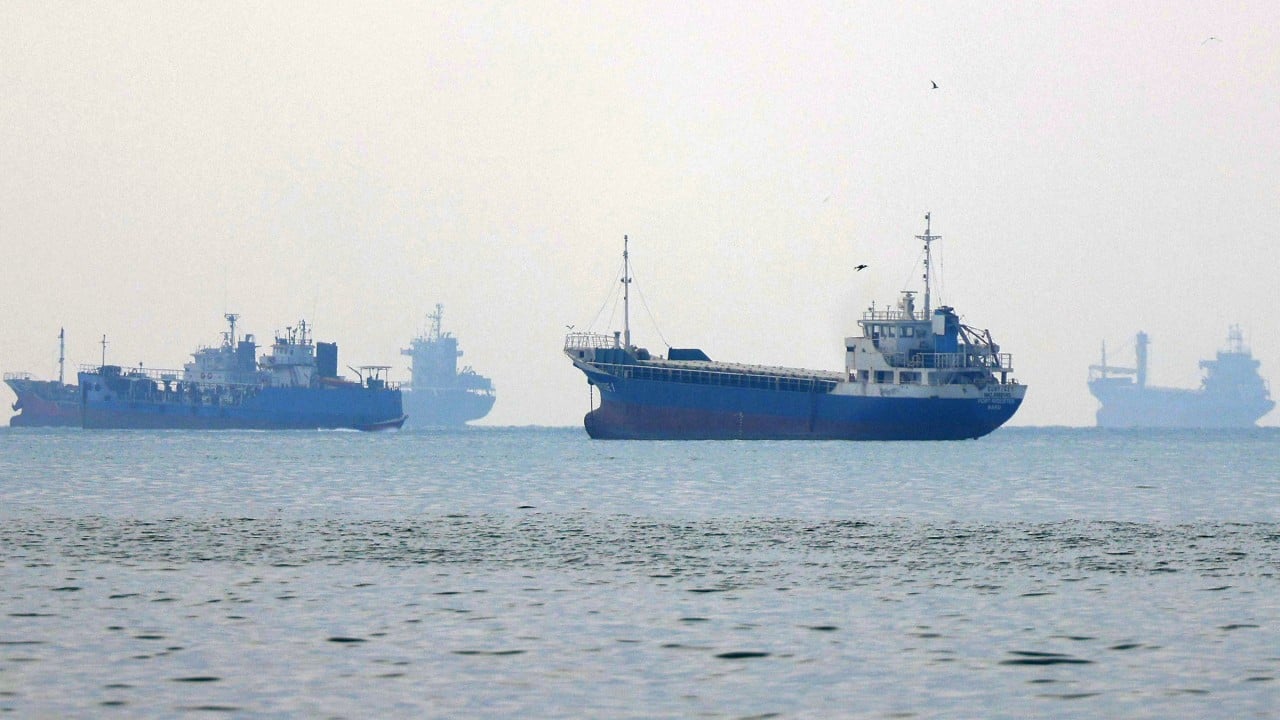
Stand on the deck of an oil tanker crossing through the Strait of Hormuz at midnight. To your left, the jagged mountains of Oman loom like dark ink against the stars. To your right, the flat coast of Iran stretches into the dark. Between them lies a strip of water barely twenty-one miles wide at its narrowest point.
Through this narrow throat passes a fifth of the world's petroleum supply. Every single day.
For decades, this thin blue line has been taken for granted. It is treated as a highway that never closes, a pipeline without walls. But highways can be blocked. And when they are, the ripple effect does not stay in the water. It reaches into your kitchen, your car, your local grocery store, and the thermostat on your wall.
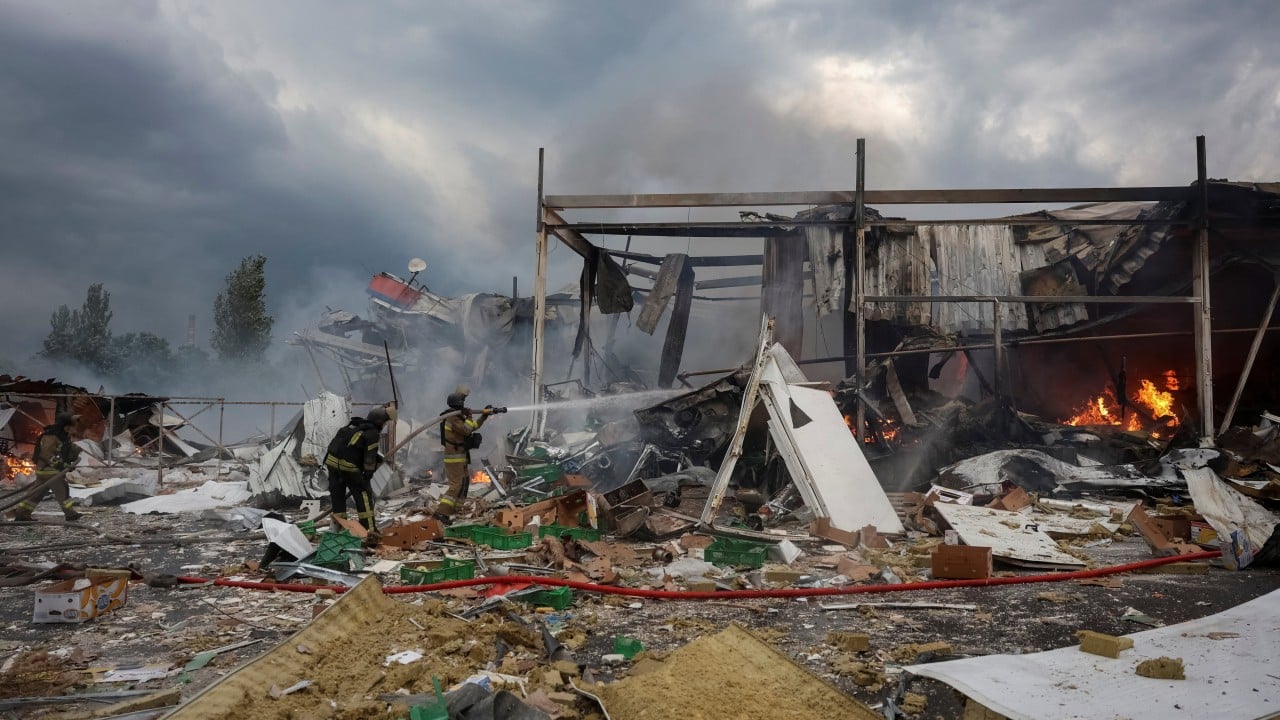
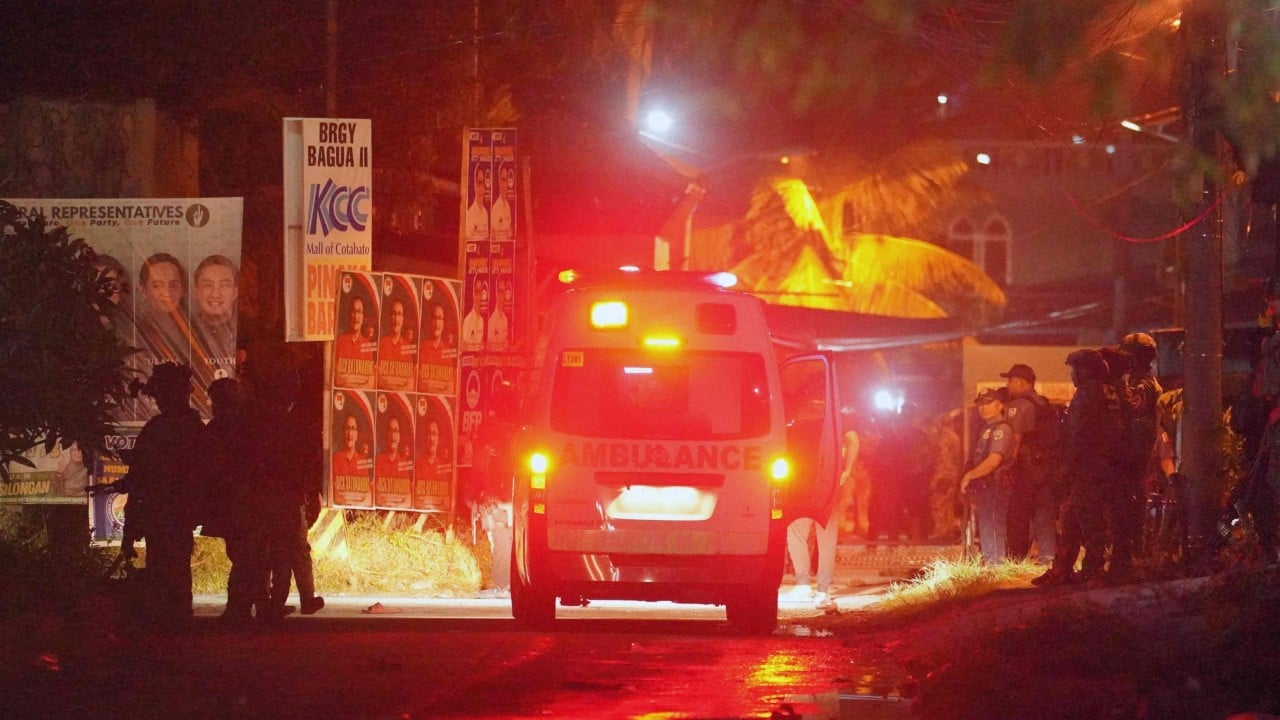
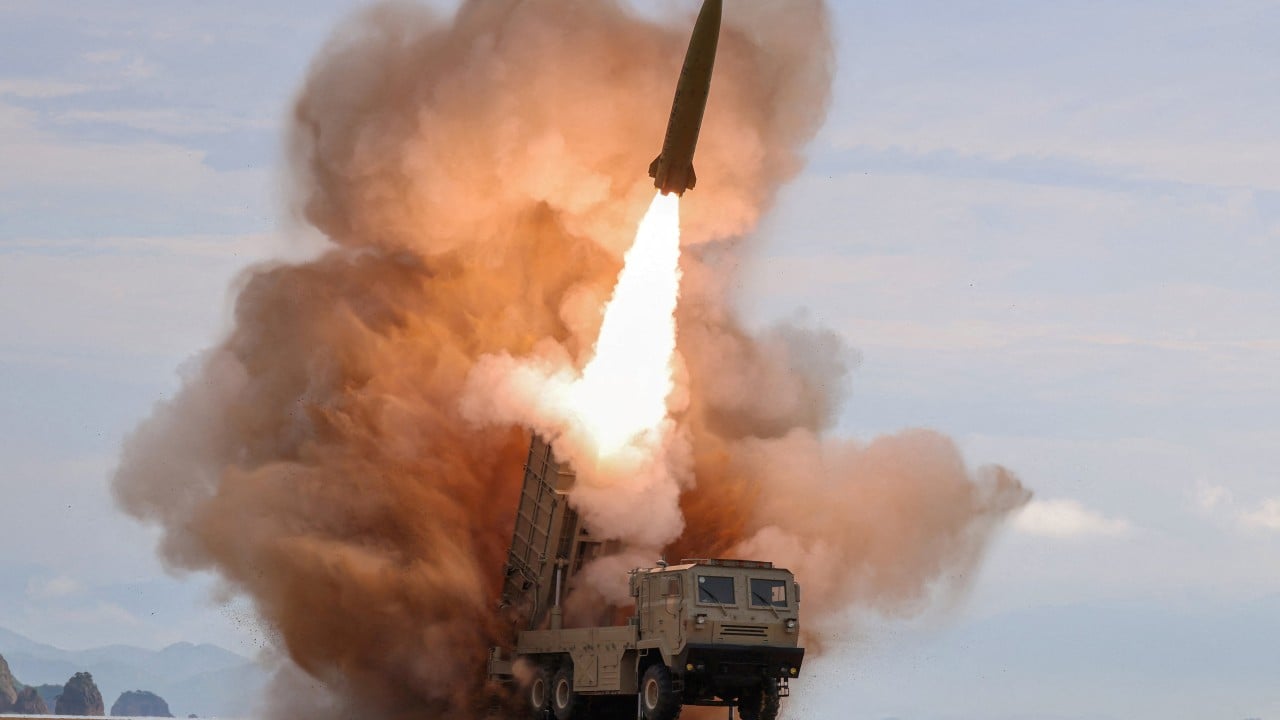
Consider what happens when the news ticker flashes with a familiar, terrifying phrase: attacks in the Gulf.
Most people read the headline, frown for three seconds, and scroll down to the sports scores or weather. It feels distant. It feels theoretical. The tankers are metal boxes; the explosions are green-and-orange graphics on a television screen thousands of miles away.
Yet, imagine waking up tomorrow to find that the price of filling your gas tank has jumped by twenty percent. Imagine local delivery trucks idling in distribution lots because the cost of diesel has made shipping economically impossible. Imagine factories slowing down production not because of a lack of demand, but because the raw materials required to keep the assembly lines moving can no longer be transported affordably.
This is the hidden vulnerability of our modern global economy. We have built a sprawling, hyper-connected civilization that depends entirely on a few narrow maritime bottlenecks. When those chokepoints shudder under the pressure of escalating geopolitical conflict, the shockwave travels instantly.
The recent flare-up of hostilities in the waters near Saudi Arabia and the Gulf is not merely a regional dispute. It is a stress test for an entire international order that assumed stability was permanent.
Fear is a volatile commodity. Long before a single barrel of oil is physically blocked from leaving a port, the markets react. Traders in London and New York look at the smoke rising from a damaged vessel off the coast and immediately recalculate risk. Insurance rates skyrocket. Shipping companies reroute their fleets, adding days or weeks to transit times.
Math takes over.
When transport costs rise, every good that relies on global supply chains becomes more expensive. This is how a military skirmish in the Middle East transforms into inflation at your local supermarket. It is an invisible chain reaction, driven entirely by human anxiety and the physical reality of geography.
We often forget how fragile our daily routines truly are. We flip a switch, and light pours from the ceiling. We turn a key, and combustion engines roar to life. We walk down supermarket aisles overflowing with fresh produce from every corner of the planet.
Underneath all of this convenience lies a vast, humming machinery of logistics. And right now, the gears are grinding against each other.
The tensions in Hormuz remind us that peace is not the absence of war; it is an active, fragile achievement maintained by diplomacy, open communication, and restraint. When those guardrails fail, the consequences do not remain contained to the battlefield. They spill over the decks of tankers, into the financial markets, and down to the everyday lives of ordinary people who simply want to wake up, go to work, and afford the basics of living.
The tankers will keep moving, for now. The captains will keep watching the horizon. But the margin for error is shrinking, and the water is getting deeper.