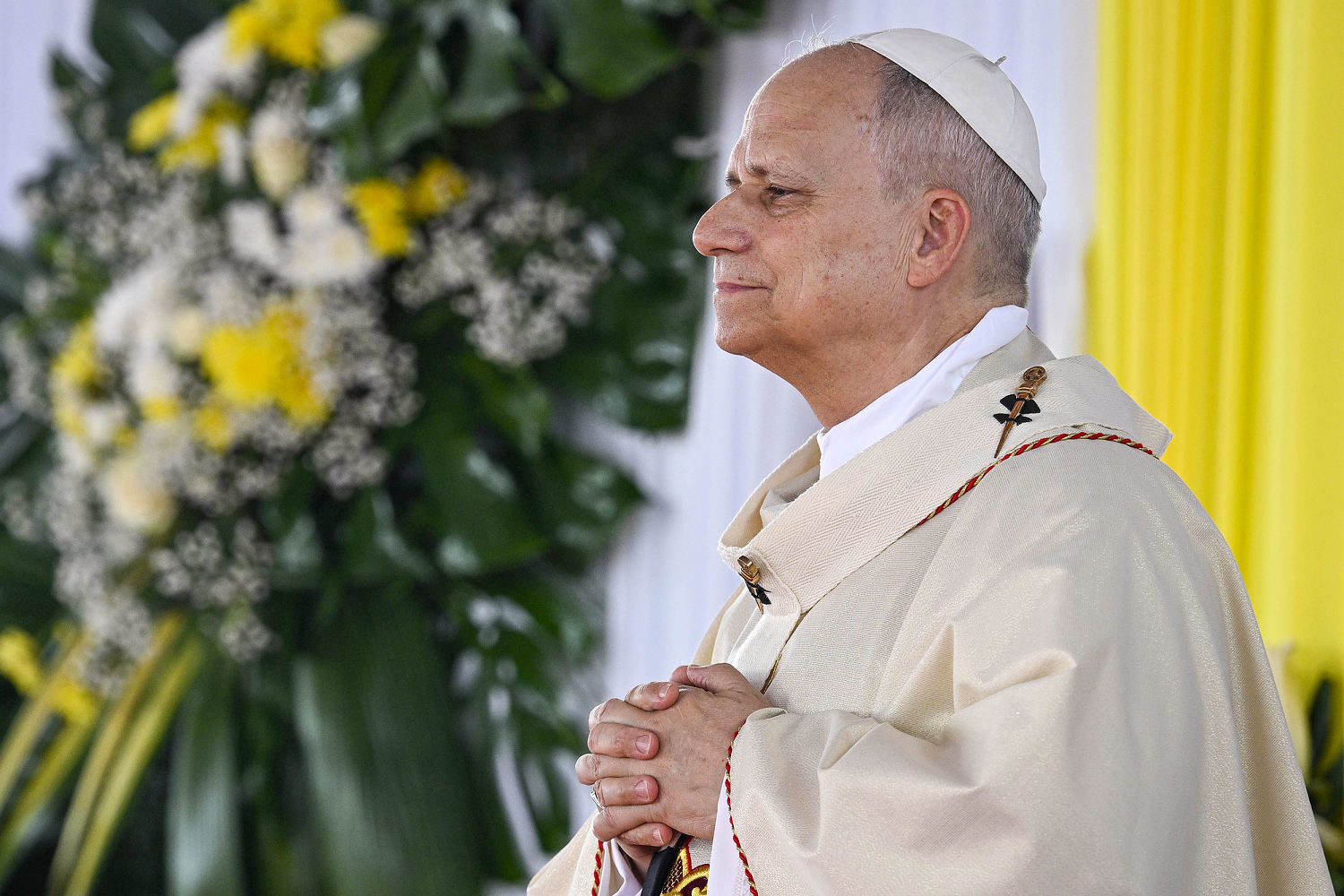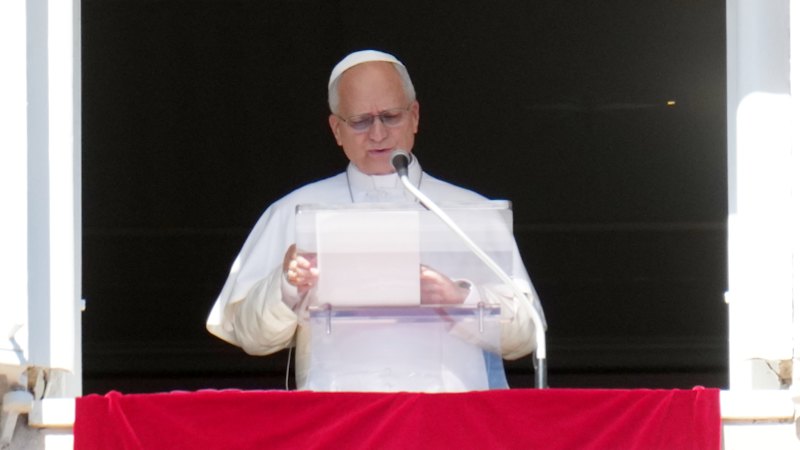
When the Vatican announced that Pope Leo XIV was scheduled to undergo surgery for a small pulmonary nodule, the immediate public reaction was cautious optimism. Headlines framed it as a routine medical procedure to excise a minor growth.
Reality, as it often does in the corridors of the Apostolic Palace, proved far more complex. Within hours of the operation at Rome's Gemelli Hospital, medical bulletins shifted the narrative from a simple tissue excision to the removal of the lower lobe of the right lung due to a confirmed cancerous growth. For an institution historically prone to clinical opacity, the swift disclosure marked a notable departure from past precedent. Yet beneath the veneer of modern transparency lies a grueling physical reality that few outside thoracic oncology fully appreciate. For another perspective, consider: this related article.
The Anatomy of Modern Papal Healthcare
Treating a pontiff requires navigating a labyrinth of medical ethics, geopolitical anxiety, and immediate physical demands. When a head of state undergoes a lobectomy, the physiological consequences extend far beyond a standard recovery room. The removal of an entire lung lobe means the remaining pulmonary tissue must hyper-inflate to fill the thoracic cavity, forcing the diaphragm and chest wall to adapt to a permanently altered respiratory mechanic.
For Pope Leo, an avid tennis player known for an energetic physical presence, the procedure represented an aggressive interruption to an active daily routine. Medical professionals familiar with thoracic surgery note that while early-stage detection drastically improves long-term survival statistics, the immediate post-operative window demands strict pulmonary rehabilitation. Endurance, vocal projection, and cardiovascular stamina all undergo an enforced calibration. Related insight regarding this has been provided by Mayo Clinic.
The contrast with the final, difficult months of his predecessor, Pope Francis, is striking. Francis battled chronic respiratory infections and prolonged hospitalizations under intense public scrutiny, often leading to a swirl of unchecked speculation regarding succession and governance. By contrast, Leo's medical team opted for immediate surgical intervention upon discovering the localized nodule, choosing swift eradication over watchful waiting.
The Politics of Disclosure
In the modern era, a pontiff's health chart is effectively a state document. Every medical bulletin influences global financial markets, diplomatic relations, and the internal balance of power within the Curia. The Vatican press office faced a delicate tightrope walk: maintain absolute credibility without triggering panic among the global faithful.
Historically, the Holy See maintained a posture of near-total secrecy regarding the physical ailments of supreme pontiffs. Pius XII's prolonged illness and John Paul II's declining health were frequently managed behind tightly guarded doors, fueling conspiracy theories and administrative paralysis. Leo's approach breaks sharply from this legacy. By publicly naming the condition and detailing the surgical parameters almost in real-time, the administration sought to preempt the rumor mill.
Yet, this openness creates its own pressures. When a leader returns to a grueling international travel schedule just weeks after losing a portion of a lung—as Leo demonstrated during his high-intensity tour across South America—observers are forced to weigh pastoral dedication against biological limits. Traveling across multiple time zones, enduring fluctuating altitudes, and delivering dozens of speeches place immense strain on a compromised respiratory system. Medical experts frequently warn that rushing back to peak operational capacity risks secondary complications, including fatigue-induced vulnerability and delayed healing of the bronchial stump.
Beyond the Hospital Room
The broader lesson of this episode extends past the walls of the Gemelli Hospital. Pulmonary malignancies in non-smokers represent a stubborn diagnostic challenge across modern medicine. Accounting for roughly twenty percent of lung cancer cases globally, these occurrences often feature distinct genetic signatures compared to smoking-related tumors. They frequently grow silently, producing no early symptoms until routine imaging catches them incidentally.
The focus now shifts from the operating table to the long-term management of papal governance in an age of hyper-public scrutiny. As global leaders face demanding schedules well into advanced age, the intersection of executive responsibility and biological reality becomes an increasingly fragile balancing act. Leo's determination to project normalcy and stamina sends a clear message of resilience, but the underlying physiology of recovery remains uncompromising.
The ultimate test for the Vatican administration will not be how quickly the pontiff returns to the public eye, but whether institutional structures can adapt to accommodate the permanent physical realities of post-lobectomy life without compromising the governance of a global church.
This video provides news coverage and visual context regarding Pope Leo XIV's lung surgery and recovery.