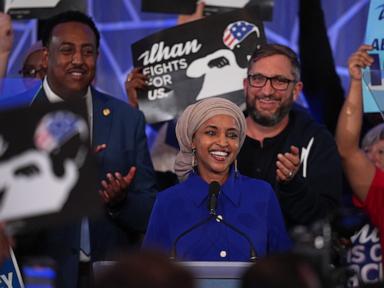
Federal Chief Judge James Boasberg ruled that the core 67-page search warrant affidavit behind the October 12 raid on Rep. Ilhan Omar’s Washington, D.C., home will remain sealed, while unsealing select procedural records that expose a 46-year investigative window and sharp judicial skepticism.
The fight over these documents is far more than a routine press access dispute. It sits at the intersection of First Amendment transparency, executive branch power, and the constitutional protections shielding sitting members of Congress from aggressive law enforcement overreach. When Homeland Security Investigations agents entered the Minnesota Democrat’s residence just 22 days before the November 2026 midterm elections, they triggered a legal collision that veteran courthouse observers rarely witness.
The Anatomy of an Unusual Federal Raid
Most federal investigations into sitting lawmakers move with glacial caution. Prosecutors typically rely on quiet grand jury subpoenas, negotiated document productions, and layers of internal Justice Department sign-offs before ever considering a physical search of a lawmaker's residence.
The Omar search broke that mold. On October 2, federal prosecutors applied for a warrant targeting records tied to "Ilhan Nur Said Elmi a/k/a Ilhan Abdullahi Omar," seeking evidence of alleged statutory violations spanning from 1980 to the present. By October 12, agents were inside her home, walking out with 17 seized items—including personal cell phones, a laptop, notebooks, her passport, a Somali-language children's book, and a vintage camera gifted to her husband.
The timeline alone raised immediate alarms across Washington. Under longstanding informal Justice Department protocol, prosecutors avoid overt investigative steps against political candidates within roughly 60 days of an election. Executing a physical raid three weeks before voters went to the polls violated that unwritten rule. Justice Department attorneys later insisted in court filings that the Attorney General personally approved the operation and that its timing was never intended to influence the ballot box. Omar won reelection handily anyway, and Democrats recaptured control of Congress, yet the institutional precedent remains intact.
What the Unsealed Filings Actually Reveal
When more than a dozen news organizations—including The Associated Press and The New York Times—alongside the conservative legal group Judicial Watch petitioned the court to open the docket, they argued the public had a vital First Amendment interest in scrutinizing a historic raid on a sitting representative.
Chief Judge Boasberg split the baby. During a mid-November hearing, he agreed with government lawyers led by Associate Deputy Attorney General Alessandra P. Serano that releasing the 67-page probable cause affidavit before any charging decision would compromise an active criminal inquiry. However, Boasberg ordered the release of surrounding procedural records, stripping away some of the secrecy shrouding the warrant's authorization.
Those newly public filings tell a striking story of judicial hesitation. U.S. Magistrate Judge Matthew Sharbaugh, who signed off on the warrant on October 9 after reviewing two secret ex parte government briefs, did not rubber-stamp the request. The records show Sharbaugh raised explicit concerns about the constitutional implications of searching a sitting member of Congress.
The Redacted Scope and the 1980 Window
What exactly are federal agents looking for? The specific criminal statutes cited in the warrant application remain blacked out, though people familiar with the inquiry and public statements by top administration officials—including Vice President JD Vance and Homeland Security Secretary Markwayne Mullin—point directly to allegations of immigration and identity fraud.
- A four-decade dragnet: Seeking records dating back to 1980 covers virtually Omar’s entire life. Born in Somalia, she arrived in the United States as a child refugee in 1995 and became a naturalized citizen in 2000.
- Pre-congressional focus: In an October 16 filing, Serano stated that the government believes Omar committed the redacted offenses "over decades," emphasizing that the conduct predates her time in office and has nothing to do with her legislative work.
- Reviving closed questions: An earlier federal inquiry into Omar's immigration history closed years ago without charges after the statute of limitations expired, making the broad 46-year timeframe of the current warrant particularly aggressive.
The Constitutional Friction Behind Closed Doors
Searching a member of Congress triggers an immediate clash between the executive branch's law enforcement power and the legislative branch's independence under the Speech or Debate Clause of the U.S. Constitution. That clause shields lawmakers from executive branch intimidation and protects confidential legislative materials from seizure.
Because of Omar’s office, Magistrate Judge Sharbaugh attached strict conditions to the October 9 warrant designed to wall off privileged congressional records. According to Omar’s legal team, federal agents trampled those guardrails. Her attorneys allege that agents failed to notify either Omar or the House General Counsel prior to executing the search and initially prevented the congresswoman from contacting her lawyer once agents entered the residence.
The Justice Department flatly denies violating the court's protocol. Yet the dispute has spawned a secondary battle over the 17 seized items. Omar is fighting in court to recover her property—including personal family items and electronic devices—while prosecutors have asked Judge Boasberg to keep the records of that property fight under seal. Government lawyers argue that revealing how agents conducted the search, or disclosing statements Omar made while agents were inside her home, could taint evidence for a potential future trial.
Why Pre-Indictment Secrecy Cuts Both Ways
To understand why Judge Boasberg kept the core affidavit locked away while unsealing the edges of the file, you have to look at how federal criminal procedure balances competing rights.
In almost every federal investigation, search warrant affidavits remain sealed until an indictment is filed or the case is closed. There are sound operational reasons for this rule. An affidavit lays out the government’s roadmap—naming confidential informants, detailing bank or immigration records, and revealing which witnesses have cooperated with grand jury subpoenas. As prosecutors noted in their October 27 filing, dumping an uncharged suspect's investigative file into the public square also inflicts severe reputational damage on someone who enjoys the presumption of innocence and has no formal forum to rebut the government's claims.
The Omar case turns that traditional logic upside down. Here, the subject of the investigation is the one calling the raid a "complete sham" and an "outrageous abuse of power," while top administration officials have already discussed the investigation's contours in public. Judge Boasberg explicitly pointed out that contradiction during the November hearing, questioning government lawyers on why secrecy was required to protect the subject's reputation when the Vice President and DHS Secretary had already spoken publicly about the probe.
When executive branch leaders broadcast accusations from a podium while keeping the underlying probable cause secret in court, the public is left with a one-sided narrative. Unsealing the procedural history—showing both the 46-year scope and Magistrate Judge Sharbaugh's initial reluctance—restores at least a fraction of institutional accountability without blowing up an active grand jury inquiry.
The Next Legal Flashpoint
The battle over the docket is far from finished. News organizations face a November 30 deadline to respond to the Justice Department's latest proposed redactions covering the dispute over Omar's seized property. Once those briefs hit the docket, Judge Boasberg will decide whether the public gets to see the full account of what happened inside Omar's home during the raid and what she said to federal agents.
Meanwhile, the broader constitutional questions linger unresolved. If prosecutors ultimately decline to bring charges, the pressure to unseal the entire 67-page affidavit will become overwhelming, exposing whether the government's probable cause justified raiding a sitting member of Congress weeks before an election. If an indictment does follow—potentially threatening Omar's naturalized citizenship in a move legal veterans describe as virtually unprecedented—every redaction fought over today will become the centerpiece of a historic constitutional trial.



