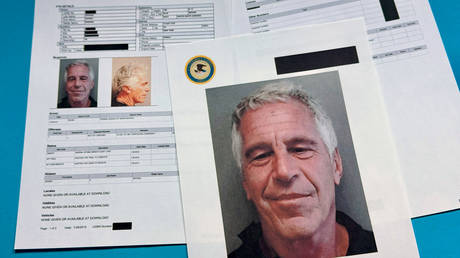
Norway is reckoning with a structural failure at the apex of its foreign establishment. Eleven current and former state officials, including high-ranking diplomats and former ministers, find themselves caught in a sweeping parliamentary inquiry examining their historical contact with the late American sex offender Jeffrey Epstein.
Prime Minister Jonas Gahr Støre's government has backed an independent commission of inquiry—only the ninth such parliamentary investigation in the country over the last 140 years—to review three decades of institutional blind spots. The probe cuts straight to the core of how a nation renowned for global mediation, human rights advocacy, and peace diplomacy allowed a convicted sex offender to orbit its administrative elite.
The primary question is straightforward. How did a disgraced financier manage to cultivate relationships with Norway's most trusted diplomatic architects, and what vulnerabilities in the state apparatus allowed those connections to persist?
For decades, the Nordic model of governance has relied on high levels of social trust, informal access, and an expansive foreign policy network that actively engaged with controversial global figures. Critics argue that this same institutional architecture created a blind spot. Epstein was not merely a private individual purchasing social standing; he operated as a transactional node who understood how to exploit the ambitions of state actors looking for backchannels, philanthropic funding streams, and international prestige.
Public hearings in Oslo have laid bare the extent of the fallout. Former Foreign Minister Børge Brende issued a formal apology after admitting he gave inaccurate statements regarding his past meetings with Epstein. Other heavyweights, such as former Prime Minister Thorbjørn Jagland and veteran diplomat Mona Juul, have faced intense scrutiny, leading to significant career casualties and a shaken diplomatic corps.
Yet, the inquiry has also exposed sharp divisions within the political class over how to respond without paralyzing the nation's foreign service. Erik Solheim, a former development minister who testified before the committee, warned that the sweeping nature of the investigation risks creating an environment of excessive self-restraint. Diplomats might become overly cautious, shying away from necessary international engagement out of fear of retroactive scrutiny.
Prime Minister Støre has defended the necessity of the hearings, noting that public trust is the foundational currency of Norwegian democracy. Without institutional accountability, the damage to public confidence could prove permanent. The government has since moved to tighten conflict-of-interest regulations and review grant-making mechanisms, particularly concerning non-governmental organizations and international institutes tied to tainted networks.
The inquiry is slated to deliver its definitive report by January 2028. Until then, the Norwegian state must navigate the uncomfortable reality that its vaunted transparency mechanisms are only as effective as the individuals willing to enforce them. The reckoning in Oslo is not merely about past associations with a criminal; it is an examination of how institutional complacency can compromise the sovereignty of a nation built on moral authority.