The Pentagon has quietly brought back mandatory testosterone screening for service members over thirty. This policy shift is not about aesthetics or outdated machismo. It is a desperate calculation driven by declining force readiness, chronic occupational stress, and an aging military demographic that the Department of Defense can no longer ignore. For years, medical standards allowed hormonal health to slide into a blind spot, treated as an individual fitness issue rather than a structural vulnerability. Now, as operational demands strain an increasingly mature force, leadership is confronting the biochemical reality of modern warfare.
The Aging Force Blueprint
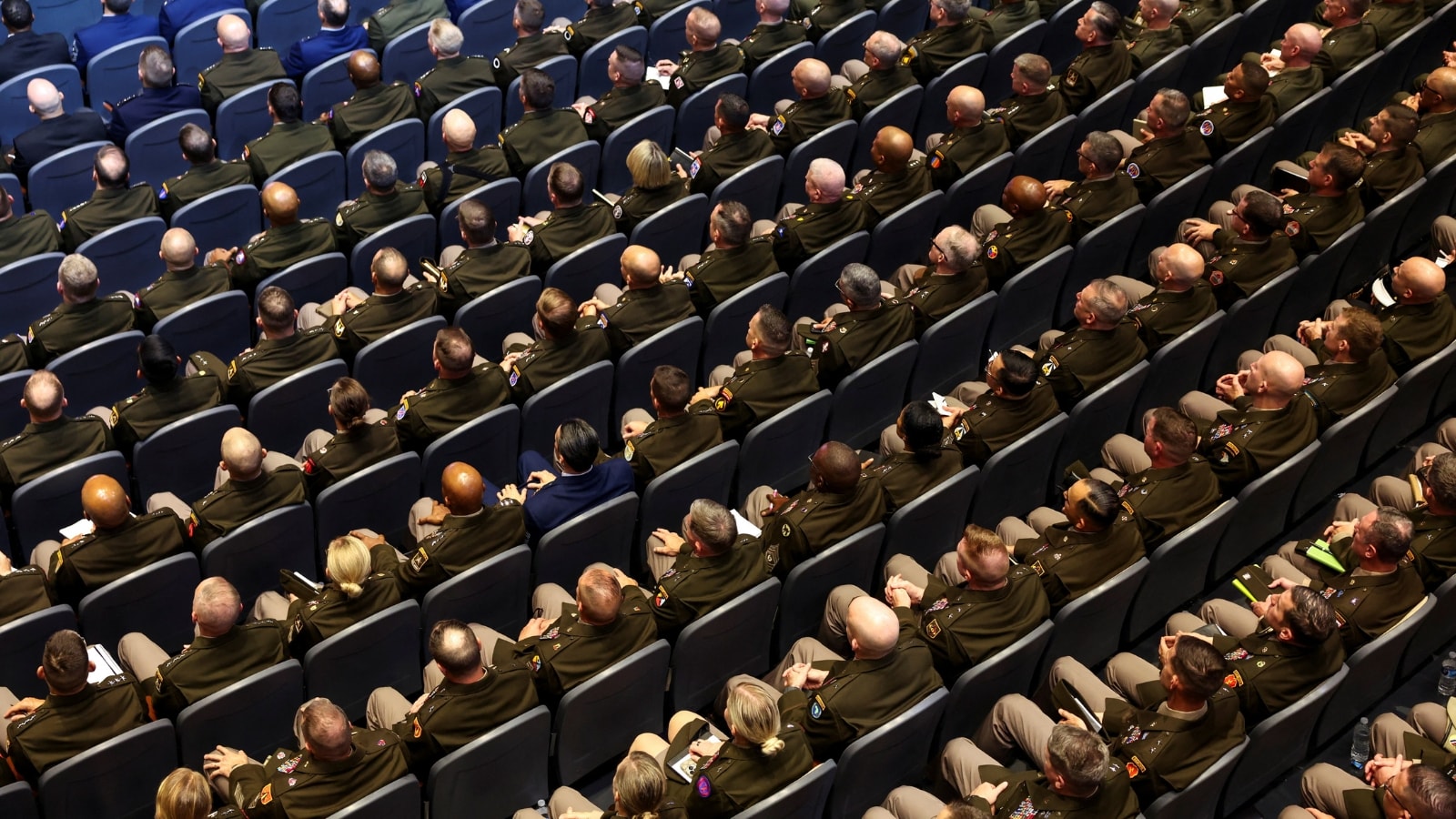
The average age of the American active-duty service member has crept upward over the past two decades. The all-volunteer force relies heavily on experienced non-commissioned officers and mid-career specialists who possess institutional memory that cannot be replaced by raw recruits. Infantry squads, aviation units, and cyber commands are populated by veterans well into their thirties and forties. Also making headlines recently: Why the Newly Discovered Tilcayo Cat Changes Everything We Know About Small Wild Felines.
Age brings tactical wisdom, but it also brings physiological decay. Natural testosterone production declines steadily after age thirty, dropping by roughly one percent each year. In civilian life, this decline manifests as fatigue, weight gain, or diminished drive. In a combat zone, the stakes are entirely different. When an infantryman humps an eighty-pound rucksack across rugged terrain under enemy fire, sub-optimal endocrine function translates directly to delayed recovery, increased injury rates, and compromised physical endurance.
Military medicine historically prioritized acute trauma care and infectious disease prevention. Chronic conditions and endocrine health were sidelined unless they caused immediate operational failure. By reintroducing mandatory blood panels for older troops, the Pentagon is admitting that baseline fitness standards alone are no longer enough to filter out silent physical deterioration. Further details on this are covered by The Washington Post.
Chronic Stress and Endocrine Collapse
The modern military environment is uniquely hostile to human hormonal balance. Sleep deprivation is institutionalized. Operational tempos across multiple deployments, shift work, and constant hyper-vigilance flood the endocrine system with cortisol.
Cortisol, the primary stress hormone, acts as an antagonistic force against testosterone. When an individual operates under chronic psychological and physical stress, the body prioritizes immediate survival mechanisms over reproductive and metabolic upkeep. Hypothalamic-pituitary-adrenal axis dysfunction becomes chronic. Sleep deprivation alone can slash testosterone levels in young, healthy men by fifteen to thirty percent within a single week of restricted rest.
Multiply that by years of irregular sleep schedules, blast overpressures from heavy weaponry, and traumatic brain injuries sustained during training or combat, and the result is systemic endocrine collapse. Service members who look fit on paper are frequently running on empty internally. Chronic fatigue, joint pain, depression, and loss of lean muscle mass are often misdiagnosed or dismissed as mere occupational fatigue. Mandatory testing strips away the guesswork, forcing command structures to look at objective blood chemistry rather than subjective stamina.
The Deployability Dilemma and Medical Waivers
Testing is only the first step in a bureaucratic minefield. Once low testosterone is identified, military medicine faces a complex web of regulations regarding treatment, classification, and deployability.
Testosterone replacement therapy sits in a heavily regulated gray zone within military healthcare. Under current guidelines, a diagnosis of hypogonadism requires formal medical intervention, but administering replacement therapy to deployed personnel introduces significant logistical hurdles. Regular blood monitoring, cold-chain storage requirements for injectables, and strict adherence to dosage schedules are nearly impossible to maintain in austere environments without established medical infrastructure.
Consequently, troops diagnosed with severe deficiencies frequently face administrative limbo. They may be temporarily non-deployable, triggering ripple effects across unit readiness rosters. Commanders already grappling with personnel shortages view medical disqualifications with deep apprehension. If screening thousands of troops over thirty reveals widespread deficiencies, units could face sudden personnel deficits right as global tensions require peak operational availability.
This creates an inherent tension between medical ethics and military necessity. Physicians are bound by their oath to treat pathology, while commanders are bound by mission requirements. When a critical technician or combat medic tests below acceptable thresholds, the choice to bench them carries immediate operational costs.
Recruitment Shortages Versus Medical Standards
The timing of this policy reinstitution is no accident. The armed forces are suffering through the worst recruitment crisis since the transition to an all-volunteer force in 1973. Missing recruitment targets by tens of thousands of personnel annually has forced the military to accept a broader range of medical waivers and rely more heavily on retaining seasoned personnel.
An aging force cannot simply be replaced by fresh eighteen-year-olds. The institutional knowledge residing in thirty- and forty-year-old service members is the glue holding complex tactical networks together. Therefore, instead of discharging aging troops or quietly ignoring their declining physical metrics, the Department of Defense is opting for management and mitigation.
Treating hypogonadism proactively allows experienced personnel to maintain their physical edge, reducing medical separations and extending viable career lengths. Yet, this approach risks opening a Pandora's box. If large numbers of troops require ongoing endocrine support, the military healthcare system must absorb a massive new administrative and financial burden. The cost of managing long-term hormone therapy across hundreds of thousands of aging service members will strain an already overextended military medical apparatus.
Performance Under Fire and Cognitive Resilience
Physical strength is only one dimension of combat effectiveness. Emerging endocrinology research highlights the profound impact of testosterone on cognitive function, emotional regulation, and decision-making under stress.
Low testosterone correlates with increased rates of anxiety, depressive symptoms, and cognitive slowing. In high-stakes environments where split-second decisions dictate survival, mental clarity is paramount. A service member experiencing severe hormonal imbalance may exhibit reduced situational awareness, slower reaction times, and diminished emotional resilience.
Military leadership understands that modern combat is cognitive warfare just as much as physical warfare. Operators must process vast streams of data, manage complex electronics, and maintain tactical composure under extreme duress. By checking testosterone levels, the military is attempting to safeguard not just muscle mass, but neurological performance.
Hypothetically, consider an experienced drone pilot or special operations team leader whose chronic sleep debt and operational stress suppress their endocrine system. Their physical fitness scores might remain acceptable due to sheer discipline, but their cognitive recovery and stress tolerance erode silently. Catching this imbalance early through mandatory screening can prevent operational errors that have catastrophic consequences downrange.
The Institutional Reckoning
Mandatory testosterone testing for troops over thirty represents a profound philosophical shift in how the military views human capital. For decades, the dominant culture demanded that service members push through physiological breakdown using willpower alone. Fatigue was a weakness to be sweated out; pain was something to be ignored until it resulted in a medical discharge.
That approach is no longer viable in a high-tech military facing peer adversaries. Treating human beings as disposable assets is incompatible with the maintenance of sophisticated, multi-million-dollar weapon systems. Troops are biological systems that require maintenance, calibration, and repair just like any other piece of critical military hardware.
The reintroduction of these tests forces an uncomfortable institutional reckoning. It acknowledges that the machinery of war takes a physical toll that cannot be wished away by mandatory physical fitness tests and motivational speeches. As the data rolls in from these screenings, the Pentagon will have to decide whether it is genuinely prepared to care for the biological cost of two decades of endless conflict, or if it will simply use the results to weed out those whose bodies can no longer keep pace with the empire's demands.