The cockpit of Flydubai flight FZ1073 did not descend 16,000 feet in thirty seconds purely because of a sudden ideological fracture at thirty thousand feet. Long before an emergency crash axe was swung over the Middle East, the trajectory of a catastrophic aviation security failure was quietly being drawn inside suburban lecture halls and rental accommodations thousands of miles away.
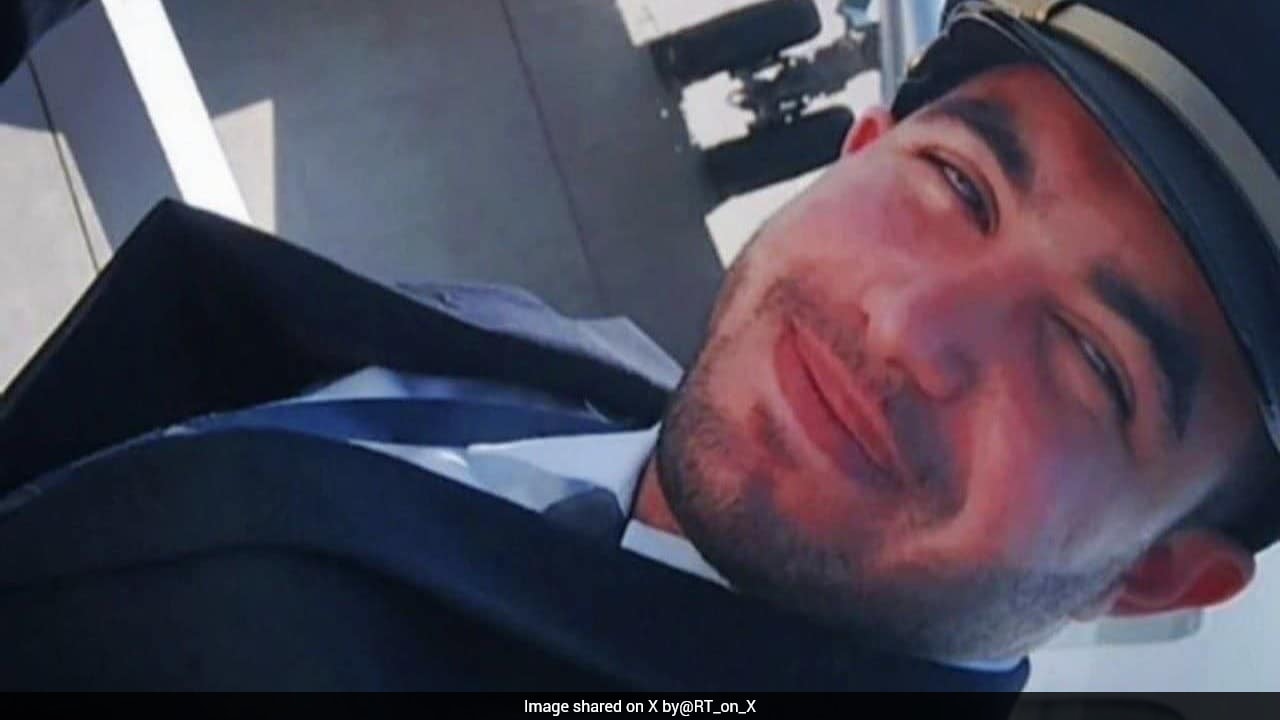
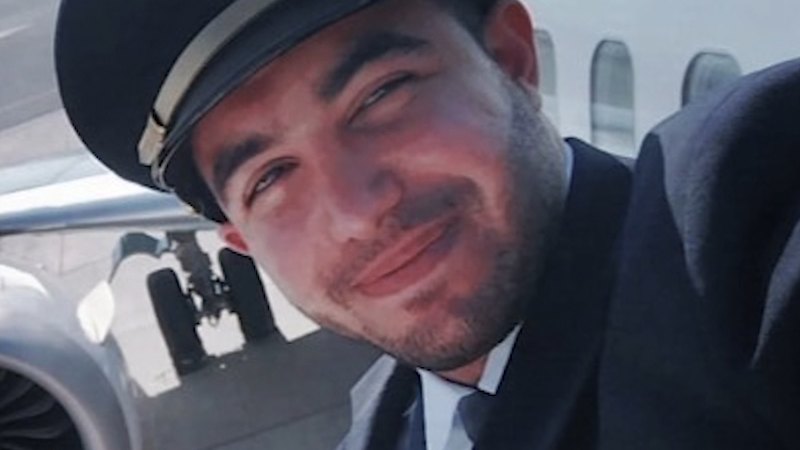
When global intelligence agencies began tracing the background of co-pilot Hamam al-Hammami following his alleged attempt to seize control of a Tel Aviv-bound jet, the investigation quickly pivoted toward an unexpected geographic coordinate. Melbourne. Between 2015 and 2017, the Omani national lived, studied, and moved through the Victorian capital. RMIT University eventually confirmed what counter-terrorism investigators uncovered in the registry files: al-Hammami had enrolled in an engineering qualification, though he never completed it. He left Australia quietly, leaving behind a trail of paper documents, digital footprints, and institutional gaps that aviation security experts are now dissecting with mounting alarm.
The official narrative presented by prosecutors in the United Arab Emirates points directly to those formative years in Australia as the crucible where al-Hammami's extremist ideology took root. Social media posts later recovered by investigators revealed that the suspect privately characterized his time in the country as the "golden years" of his religious devotion. For intelligence analysts, that phrasing carries a grim, familiar weight. It signals an ideological shift that occurred away from the scrutiny of his home nation, nurtured within the decentralized, open ecosystems of Western tertiary institutions and multicultural suburbs.
Yet focusing solely on university enrollment forms misses the deeper systemic vulnerability exposed by this case. Modern aviation vetting relies heavily on credential verification, psychological baselines at the time of airline hiring, and the assumption that foreign screening processes will catch anomalies before a pilot ever steps onto an international flight deck. Al-Hammami slipped through these nets. After his departure from Australia, he accumulated flight training hours in New Zealand, secured employment within regional aviation, and eventually transitioned to a major commercial carrier. Somewhere along that professional ladder, red flags raised by regional authorities—including reports that Oman had previously restricted him from flying due to observed extremist leanings—were managed through administrative reassignments rather than career termination.
The structural failure here is multi-layered. Cross-border intelligence sharing between Middle Eastern carriers, Gulf regulators, and Western security services remains plagued by bureaucratic friction. When an individual undergoes radicalization in one hemisphere, drops out of an academic program, and subsequently acquires complex technical skills like commercial flight operation in another jurisdiction, the data points rarely connect automatically. Agencies operate within national silos. Visa databases do not talk to airline human resources departments in real-time, and domestic counter-terrorism commands rarely audit historical student visa holders unless an explicit, high-priority threat alert is triggered locally.
In Melbourne, federal and state police, alongside the Australian Security Intelligence Organisation, have faced the unenviable task of reconstructing al-Hammami's past social circles. Investigators have scrutinized local religious institutions, digital forums, and housing tenures from a decade ago. The difficulty inherent in this retroactive policing is profound. Open societies protect freedom of movement and association, making it exceptionally difficult to separate radical posturing from normative religious practice until an individual crosses the threshold into actionable violence.
The aviation industry now confronts an uncomfortable truth. The cockpit door, reinforced and locked tight against external threats after the events of 2001, remains vulnerable to an internal adversary who passes initial psychological evaluations and corporate background checks. If an airline pilot's ideological transformation occurs years before employment, standard pre-employment screening cannot reliably detect it. Background checks confirm where a person lived and what courses they dropped out of, but they cannot X-ray a shifting internal belief system.
As the legal proceedings grind forward and the victims of flight FZ1073 attempt to process the horror of that descent, the spotlight on Melbourne's academic institutions serves as a stark reminder of how easily global security threads intersect with local anonymity. The safety of international skies depends entirely on closing the intelligence gaps between the lecture halls where ideologies shift and the flight decks where lives hang in the balance.
An investigation into the pilot background checks can be seen in this report on FlyDubai's Australian links. This segment examines the security protocols and international background checks that failed to flag the co-pilot prior to the incident.