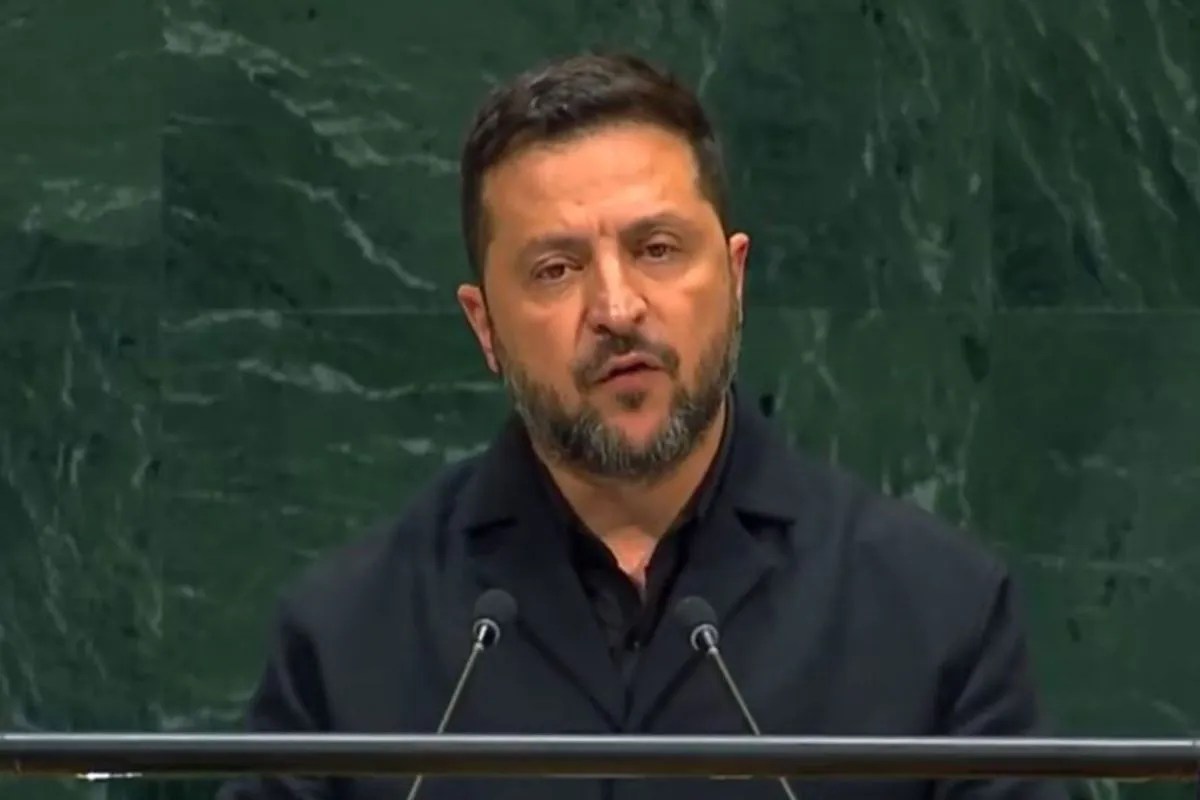
The numbers laid bare by the Ministry of External Affairs are stark, cold, and entirely devoid of diplomatic padding. Out of 227 Indian nationals tracked into the grinding machinery of the Russian armed forces, 51 have lost their lives on foreign battlefields. While 139 have managed to secure discharges, the structural pipeline that channeled young civilians from peaceful suburban neighborhoods into active combat zones remains a sprawling, shadowy enterprise. When Ukrainian President Volodymyr Zelenskyy took to the podium at the United Nations General Assembly, explicitly calling out India among nearly fifty nations whose citizens have been caught in Moscow's recruitment crosshairs, he was not merely scoring a rhetorical point. He was exposing a global vulnerability that foreign policy establishments in New Delhi have spent months quietly trying to dismantle.
For decades, international migration corridors from South Asia followed predictable trajectories. Young men sought labor markets in the Gulf cooperation states, Western Europe, or Southeast Asia, chasing construction, logistics, or retail jobs. But as the prolonged conflict in Eastern Europe drained Moscow's domestic manpower pools, recruitment agencies mutated. Operating through opaque networks on social media platforms like Telegram and YouTube, fixers began dangling lucrative promises of non-combat support roles, security guard positions, or university placements in Russia. Also making headlines in related news: Beyond the Shoreline: The Untold Reality of India and the Pacific Island Strategy.
The mechanism was deceptively simple. Victims arrived in Moscow on tourist or student visas, lured by monthly salaries that dwarfed local earning potentials back home. Within days of landing, their passports were seized, translation barriers were weaponized against them, and they were coerced into signing contracts written entirely in Russian. What started as a search for economic mobility transformed rapidly into an involuntary deployment to the frontlines of the Donbas.
India’s Ministry of External Affairs reacted with a mixture of intense consular pressure and public warnings, repeatedly urging citizens to exercise extreme caution regarding overseas employment offers. Yet, the diplomatic tightrope New Delhi must walk is exceptionally narrow. Maintaining a multi-aligned foreign policy while historic defense and energy ties bind the capital to Moscow creates a complex operational environment. South Block cannot afford a complete rupture with traditional partners, nor can it turn a blind eye to its citizens being funneled into an active European war zone under false pretenses. Additional information regarding the matter are detailed by USA Today.
The tragedy of these 51 deaths illustrates a broader systemic failure in global labor regulation. When local agents operate across borders with impunity, exploiting digital anonymity and financial desperation, state apparatuses often react too slowly. By the time families in Punjab, Uttar Pradesh, or Gujarat realize their breadwinners have stopped answering messages and have been re-designated as combat infantry, the bureaucratic machinery required to claw them back across international borders is painfully sluggish.
As diplomatic channels continue to negotiate the safe return of those still trapped in military camps, the broader reality of these transnational trafficking networks persists. The recruitment pipeline thrives wherever economic desperation intersects with weak regulatory oversight. Until international enforcement agencies clamp down on the illicit brokers who convert employment visas into military conscription, the human cost of distant geopolitical friction will continue to land squarely on unsuspecting civilians thousands of miles away from home.