Iran has paired tighter maritime surveillance in the Strait of Hormuz with a renewed wave of tanker strikes and naval mine claims, choking off outbound oil movements and rattling crude prices. Commercial crews are crossing dark or getting hit. Global energy buyers are still treating a nine-month maritime standoff like a temporary headline rather than a structural rerouting of world oil.
Anyone who has watched Persian Gulf shipping desks for thirty years knows how cheap headlines get when missiles fly. A tanker catches fire or a mine goes off, Brent ticks up a couple of dollars, and within forty-eight hours trading desks start looking for a reason to sell the rally. That reflex made sense during brief flare-ups in past decades. It is dangerous in late 2026.
Since late February, when hostilities erupted across the region, the Strait of Hormuz has shifted from a routine oil highway into an active maritime attrition zone. Roughly a quarter of global seaborne oil trade and a fifth of liquefied natural gas normally thread this narrow channel. Today, transit data shows outbound crossings stalling out on some days altogether, while ships that do move often go dark by switching off Automatic Identification System transponders.
How Maritime Surveillance Turned Into a Tollbooth
Surface reporting usually frames surveillance as radar, drones, or coastal patrols watching the water. On the bridge of a commercial tanker, surveillance feels much more personal. It means VHF radio warnings, electronic interference, and vessels hugged closer to coastal corridors where a miscalculation carries an immediate price.
Maritime tracking and security advisories have pointed to rising GPS jamming across regional waters alongside heightened scrutiny of transiting ships. When satellite navigation degrades or crews receive conflicting instructions over maritime channels, captains face a grim trade-off. Stay lit up and broadcast a clear target signature. Or go dark and risk colliding with another vessel or drifting into contested waters.
Going dark does not make a 300,000-ton tanker invisible. It only blinds the rest of the fleet while coastal sensors and patrol craft still track the hull.
Iranian forces have asserted tighter control over who passes and under what conditions, while commercial traffic has increasingly clustered along specific routes and relied on intermediaries or selective clearance patterns. At the same time, the United States has maintained naval pressure and blockade enforcement around Iranian ports and ship-to-ship transfers, turning the broader Persian Gulf and Gulf of Oman into overlapping enforcement zones.
Why Strikes and Mine Claims Keep Oil Flows Jagged
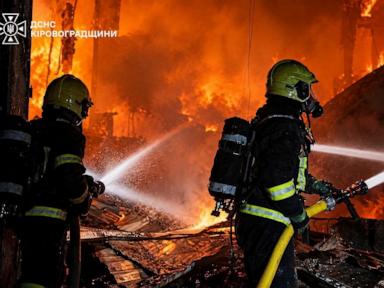
The mechanics of a chokepoint squeeze rarely look like a clean, Hollywood-style total blockade. Instead, they look like friction piled on friction. One day brings an attack alert near the strait. The next brings reports of naval mines disabling tankers or an LPG carrier taking repeated hits and forcing a crew evacuation.
Verified facts and wartime propaganda get tangled almost immediately in these incidents. Armed forces release statements claiming vessels entered off-limits areas or struck mines. Maritime monitoring centers log strikes, fires, injuries, and missing seafarers, while independent observers sometimes find no outside confirmation for specific sinking claims.
The Fog of Claims vs. Physical Damage
For oil traders, distinguishing a real hull breach from an exaggerated claim matters, yet both move the market. A single confirmed strike on a state-linked or commercial tanker forces charterers to rethink routing, pushes war-risk insurance premiums higher, and makes shipowners hesitate before sending empty hulls back in to load.
Consider a hypothetical charterer moving crude from a Gulf terminal to an Asian refinery this month. Even if the physical oil supply at the loading berth is untouched, the voyage now carries higher hull-war insurance, potential delays, GPS spoofing or jamming risks, and the threat of sudden escalation. That friction alone lowers effective export velocity, even when crude prices do not spike straight to triple digits on any single afternoon.
The Human Toll Behind the Barrels
Financial commentary tends to reduce chokepoint crises to barrels per day and crack spreads. Seafarers pay the actual bill. Reported casualties in and around Hormuz have climbed into the dozens dead with additional crew members missing as strikes hit tankers, support vessels, and gas carriers.
When a vessel gets hit twice or catches fire in confined waters, rescue operations are complicated by active threat warnings and chaotic communications. Experienced mariners know that once crews start questioning whether a corridor is safe to enter—even with naval presence nearby—manning and routing decisions tighten fast.
| Pressure Point | What Happens on the Water | Market and Supply Effect |
|---|---|---|
| Surveillance and jamming | Heightened monitoring, route shifts, AIS shutoffs, GPS disruption | Slower transits, blind spots, higher operational caution |
| Mine and strike risk | Tankers and gas carriers hit, disabled, or forced to evacuate | Spikes in insurance, routing delays, crew reluctance |
| Dual enforcement | Clashing maritime restrictions and blockade checks | Fragmented trade lanes and longer voyages |
The Overlooked Factors Traders Are Missing
Most surface coverage stops at two variables: how many ships got hit this week and where Brent crude closed on Friday. Three deeper dynamics deserve far more attention from energy desks and industrial buyers.
First, fertilizer and petrochemical flows ride the exact same maritime arteries as crude. The Persian Gulf is a major exporter of fertilizers like urea and ammonia, alongside oil and gas. A prolonged squeeze on Hormuz does not just raise fuel bills; it feeds straight into agricultural input costs and food inflation later down the chain, especially for import-reliant economies with tight budgets.
Second, geographic insulation is uneven across major economies. Producers with strong domestic energy output or alternative supply routes absorb shocks differently than Asian and European buyers heavily exposed to Gulf crude, LNG, or refined products. Watching crude benchmarks alone hides sharp regional price spreads and freight bottlenecks.
Third, offshore workarounds have limits. Ship-to-ship transfers, loitering zones, and partial rerouting can keep some barrels moving, yet they add time, cost, and compliance headaches. None of those workarounds replace smooth, high-volume flow through a primary chokepoint at scale.
Why Calm Oil Prices Can Be a Trap
Oil has swung sharply over the course of the 2026 conflict, surging early in the crisis and later pulling back at times even as maritime incidents continued. That disconnect tempts buyers into assuming the worst is priced in.
It rarely works that way in maritime attrition. A chokepoint does not have to stay one hundred percent sealed every single day to inflict real economic damage. Intermittent strikes, mine scares, tighter surveillance, and zero-outbound days act like sand in the gears of global logistics.
Energy markets are pricing current headlines and diplomatic rumors. Physical shipping is pricing risk, delay, and exposure. Track dark transits, insurance costs, and fertilizer freight alongside the crude ticker if you want to see where the real pressure is building.