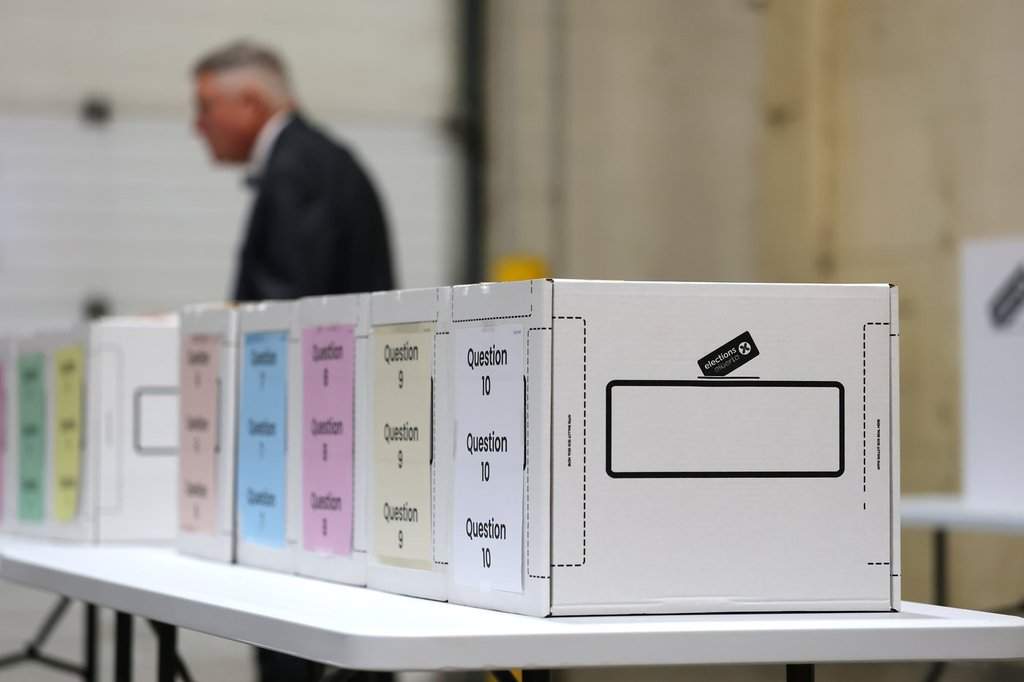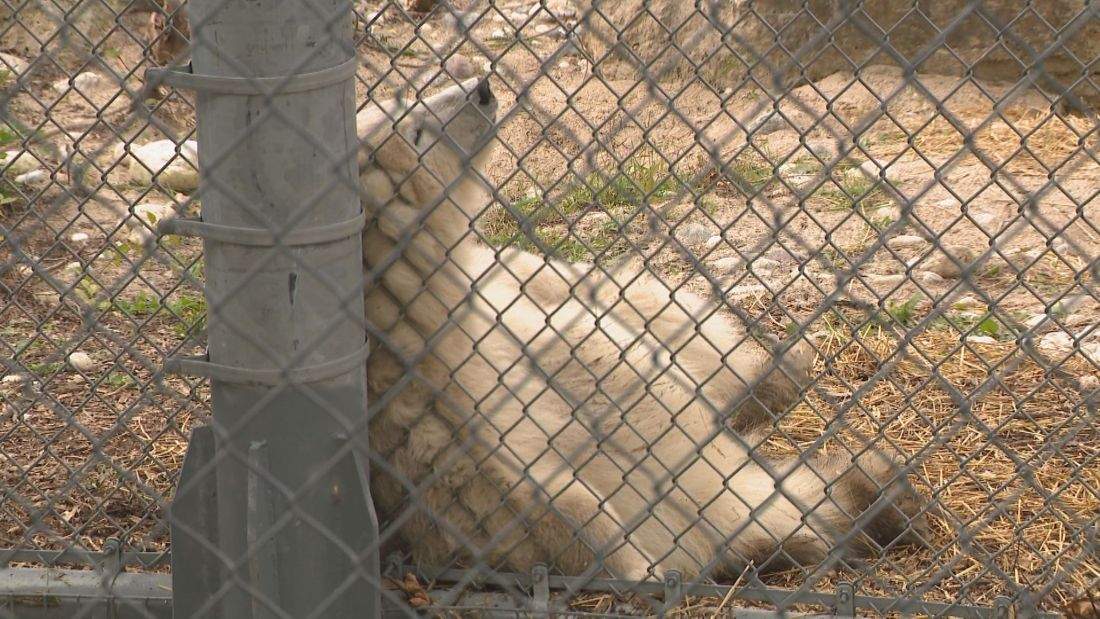
The results are finally in from the Assiniboine Park Zoo in Winnipeg, where an orphaned polar bear cub has officially been named Mantayo, edging out rival options Duke, Marly, and Fletcher after securing a record-setting number of votes in a public online poll. The name, rooted in the Cree designation for the Churchill River or "River of Strangers," provides a poetic nod to the northern Manitoba landscape where the young animal was found. Yet behind the heartwarming optics of a public naming contest lies a far more sobering reality regarding the mechanics of wildlife rescue, the fragile state of Arctic ecosystems, and the heavy moral compromises inherent to modern zoological institutions.
Public engagement campaigns are masterclasses in emotional redirection. When a fluffy, ten-month-old bear cub is introduced to the media circuit after losing its mother under investigation-heavy circumstances near Churchill, public sympathy spikes immediately. People want to vote, care, and feel connected to the conservation narrative. But the transition from a wild orphan to a captive resident at the Leatherdale International Polar Bear Conservation Centre highlights the uncomfortable calculus facing northern conservationists. Every successful rescue story of an animal entering captivity is, fundamentally, a symptom of a much larger environmental failure unfolding across the circumpolar north.
The logistical pipeline from the tundra to an urban enclosure is fraught with administrative and biological hazards. When Mantayo arrived in Winnipeg during late August, he immediately entered a mandatory quarantine phase. Animal care teams had to navigate the delicate process of building trust, mitigating stress, and adjusting a wild-born predator to an environment dictated by human schedules and concrete perimeters. This is not rehabilitation for re-release. Polar bears separated from their mothers at such a young age lack the survival curriculum taught during the critical first years of life. Releasing them back into the wild is a death sentence. Consequently, institutions like the Assiniboine Park Zoo become permanent repositories for victims of ecological friction.
This permanent displacement exposes the deep institutional challenges governing captive megafauna. Maintaining polar bears in southern latitudes requires immense financial, energetic, and structural resources. The enclosures must simulate sub-zero efficiencies and vast roaming spaces within the confines of a prairie city. Past precedents at the facility illustrate how quickly internal dynamics can shift. Transfers between facilities, such as the historical movement of bears to the Calgary Zoo, underline the ongoing logistical chess match required to manage aging populations, social hierarchies, and space constraints across Canadian institutions. Tragic incidents from past years remind caretakers that group dynamics among apex predators are never entirely predictable.
Critics of captivity argue that displaying these animals risks turning urgent climate tragedies into tourist spectacles. The underlying narrative shifts subtly from systemic habitat destruction to localized entertainment. When visitors watch a spunky, mischievous cub roll around or swim in its enclosure, the immediate visceral joy can overshadow the grim trajectory of sea ice decline in the Arctic. Zoos attempt to counter this paradox by positioning themselves as educational fronts. The explicit objective of these programs is to convert passive zoo-goers into active climate advocates by fostering a personal bond with a living ambassador of the ice.
The success of that conversion remains difficult to quantify. Millions of dollars flow into specialized infrastructure, veterinary care, and marketing campaigns to support a handful of displaced individuals, while thousands of wild bears face systemic starvation and habitat compression due to warming temperatures. It is a triage model applied on a macro scale. Resources are funneled into the visible exceptions—the charismatic survivors who make it onto public ballots—while the vast majority of the population remains entirely out of reach of direct human intervention.
Mantayo will likely spend decades living out his life in Winnipeg, serving as a furry focal point for school field trips and family outings. He will bear the symbolic weight of his species while remaining entirely detached from the ice floes that built his lineage. The public poll is closed, the votes have been tallied, and the name is secured on the official records. The machinery of human fascination moves efficiently forward, leaving the underlying crisis untouched on the melting northern coast.