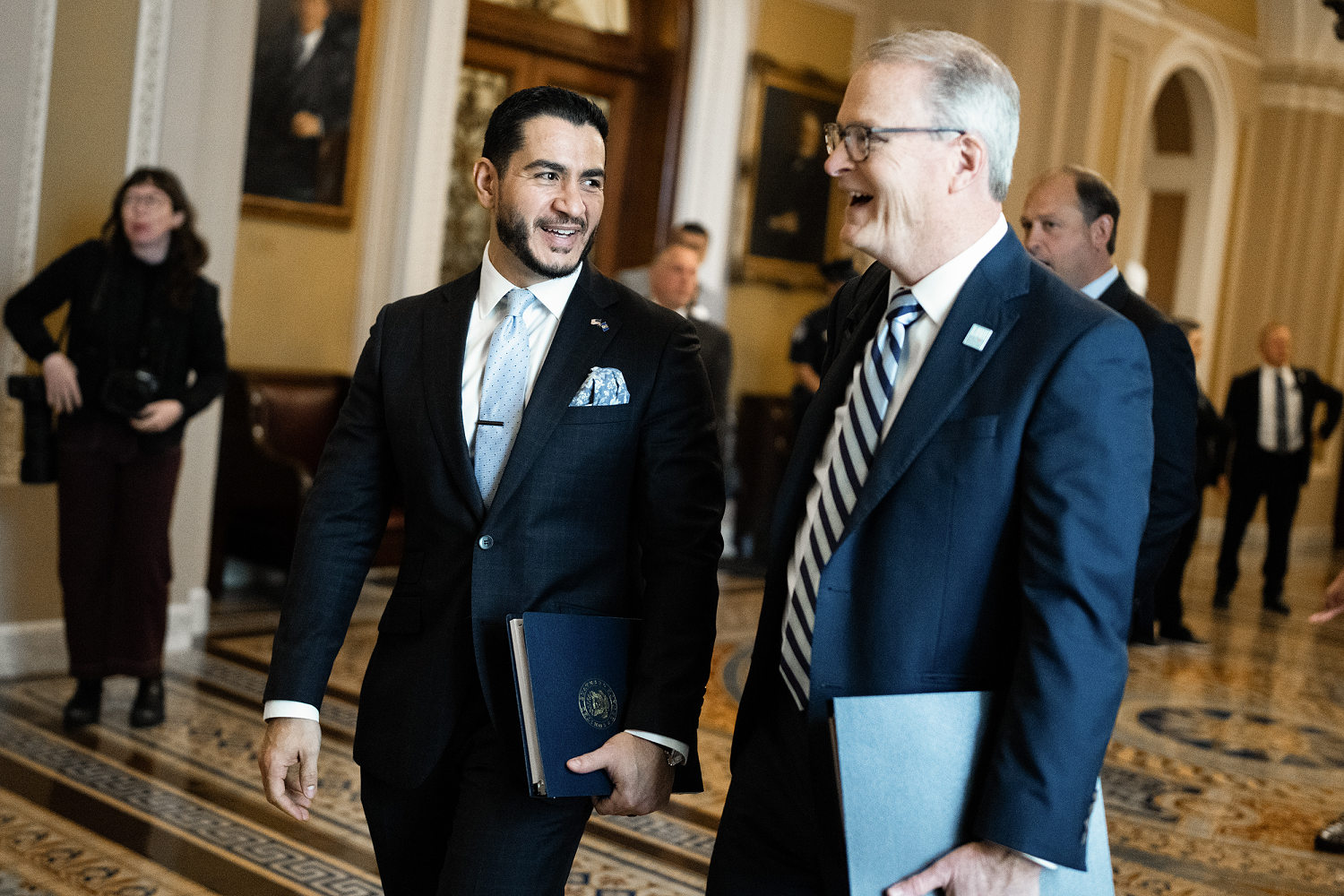
Newly elected Senate Democrats arriving on Capitol Hill step directly into an institutional buzzsaw where campaign promises meet the unforgiving mechanics of the upper chamber. While political coverage often focuses on the novelty of fresh faces and biographical milestones, the actual story begins the moment these lawmakers take the oath of office and confront committee assignments, seniority rules, and razor-thin floor margins. According to longstanding Senate procedural rules and historical patterns documented by the Congressional Research Service, freshmen senators wield minimal formal authority during their first two years, forcing them to trade immediate legislative visibility for long-term institutional capital.
Washington loves a fresh narrative. Every two years, the political press corps descends on the Capitol steps to profile the incoming class, framing new arrivals as saviors of their party or harbingers of ideological shifts. That framing misses how the Senate actually works. Unlike the House of Representatives, where a vocal bloc of newcomers can stall floor action or force leadership concessions within weeks, the Senate is built to absorb and neutralize sudden bursts of populist energy. The chamber operates on unanimous consent, strict seniority, and the ever-present threat of the filibuster, turning ambitious campaign platforms into multi-year exercises in incremental negotiation.
The Seniority Trap and Committee Realities
Campaign trails reward bold rhetoric, yet Senate effectiveness depends entirely on quiet administrative placement. When newly elected Senate Democrats arrive in Washington, their primary battle happens behind closed doors during the steering committee assignment process. Securing a seat on Appropriations, Finance, or Armed Services can define a six-year term, providing the leverage needed to steer federal dollars back home and protect vulnerable incumbents in future cycles. Conversely, landing on lower-tier panels means spending years holding hearings that draw sparse media coverage and yield few tangible legislative wins.
Political scientists and veteran Capitol Hill staffers frequently point out that the Senate seniority system creates an immediate hierarchy that flatly contradicts the egalitarian tone of national campaigns. A newly minted senator representing millions of voters sits at the far end of the dais, waiting hours to ask five minutes of questions after senior colleagues have exhausted the primary lines of inquiry. In high-profile confirmation hearings or oversight sessions, television cameras rarely linger on the junior end of the table unless a newcomer manages to engineer a viral exchange. Even then, seasoned observers recognize that viral moments rarely translate into passed amendments.
To understand how this dynamic plays out, consider a hypothetical example of a first-term Democrat elected from a competitive swing state on a platform of aggressive healthcare cost reduction. Upon arrival, that senator discovers that major healthcare jurisdiction belongs to the Finance Committee and the Health, Education, Labor, and Pensions Committee. If party leadership fills those vacancies with more senior members seeking reelection protection, the newcomer is locked out of the primary markup rooms. Instead of drafting major statutory revisions, the junior member must rely on pitching smaller provisions to senior committee chairs, trading floor votes and public loyalty for modest language tucked into sprawling omnibus packages.
Navigating the Narrow Margin Illusion
Narrow Senate majorities create a paradox for incoming lawmakers. On paper, a one- or two-seat margin makes every single vote indispensable, theoretically granting each senator immense personal leverage. In practice, that leverage cuts both ways and often traps freshmen in impossible political crosswinds.
When party margins are tight, leadership cannot afford defections on judicial confirmations, executive branch nominations, or must-pass budget resolutions. Newly elected Senate Democrats from moderate or battleground states quickly find themselves caught between the demands of their national party base and the skepticism of independent voters back home. Every procedural cloture vote becomes a campaign attack ad in waiting. Opponents strip away the nuances of Senate floor procedure, portraying a vote to proceed to debate as an endorsement of the most controversial provisions within a broader bill.
At the same time, progressive newcomers representing safe blue states face the inverse pressure. Their constituents expect immediate action on climate policy, voting rights, or economic reform, leaving little patience for explanations about the sixty-vote threshold required to overcome a legislative filibuster. Political analysts who track congressional behavior note that this structural friction frequently leads to public frustration among grassroots donors, who interpret procedural gridlock as a lack of political will rather than an accurate reflection of Senate rules.
The Fundraising Treadmill Never Stops
A six-year term sounds like an eternity compared to the relentless two-year cycle of the House, yet the financial demands of modern Senate campaigns erase much of that breathing room. Campaigns in major media markets routinely require tens of millions of dollars, forcing newly elected members to begin dialing donors almost immediately after their swearing-in ceremonies.
Party campaign committees expect incoming senators not only to retire their own campaign debt and build early war chests, but also to raise money for the broader caucus. This reality consumes hours of every week, pulling lawmakers away from legislative drafting and policy deep dives. Veteran strategists acknowledge that the time spent in call-time offices near the Capitol directly limits how thoroughly a freshman senator can master complex regulatory statutes or build bipartisan working relationships across the aisle.
Bipartisan Outreach Versus Base Mobilization
Media profiles of incoming Senate Democrats routinely highlight their personal backgrounds—former prosecutors, military veterans, business executives, or state-level organizers—as evidence of their unique ability to bridge partisan divides. While personal rapport still matters in a chamber of one hundred people, structural polarization has severely narrowed the space for genuine cross-party dealmaking.
According to longitudinal roll-call voting analyses conducted by political scientists, ideological overlap between the most conservative Senate Democrat and the most liberal Senate Republican has vanished over the past several decades. When newcomers attempt to forge bipartisan working groups on immigration, permitting reform, or technology regulation, they quickly encounter external pressure campaigns from interest groups, cable news commentators, and primary challengers. A compromise that satisfies sixty senators often alienates the activist wings of both parties, leaving the negotiators exposed on their flanks.
Yet refusing to engage across the aisle carries its own penalties. In the Senate, a single determined member can place holds on nominations, object to unanimous consent requests, and grind routine floor business to a halt. Experienced lawmakers learn early that maintaining functional working relationships with opposite-party colleagues on shared committees is essential simply to move non-controversial bills, confirm local federal judges, and secure disaster relief funding for their states.
Building an Operational Machine From Scratch
One of the least visible challenges facing newly elected Senate Democrats is the sheer administrative sprint required to stand up a multi-office enterprise. Between Election Day in November and the opening of the new Congress in January, a senator-elect must transition from a campaign organization built for messaging and turnout into a permanent government office responsible for constituent services, legislative research, and oversight.
This transition involves hiring dozens of staffers across Washington and multiple state offices while operating under strict Senate budget allowances determined by state population. Experienced chiefs of staff and legislative directors are in high demand and short supply, creating fierce competition among incoming offices for veteran talent who understand parliamentary procedure. Offices that hire primarily from their campaign teams often struggle during their first year with constituent casework backlogs and poorly drafted legislation, whereas offices that bring in seasoned Hill operators adapt much faster to the rhythms of the chamber.
Constituent casework—helping residents navigate Social Security delays, veterans' benefits, passport issues, and federal grant applications—rarely generates national headlines, yet it forms the bedrock of Senate durability. Veteran politicians across the ideological spectrum agree that efficient state operations build a reservoir of goodwill that insulates incumbents when national political winds shift against their party.
The Spotlight as a Double-Edged Sword
National media attention arrives automatically for new senators from high-profile races, bringing prime-time interview invitations and immediate name recognition. Handling that spotlight requires discipline that many newcomers underestimate.
In the Senate, institutional culture still rewards members who do the unglamorous work of reading bill text, attending markups, and keeping their word during private negotiations. Colleagues quickly take note of who leaks private caucus discussions to reporters and who uses committee hearings solely to generate social media clips. Once a freshman earns a reputation as a show horse rather than a workhorse, senior senators become reluctant to include them in sensitive legislative coalitions.
At the same time, ignoring modern media ecosystems is no longer viable. Voters expect direct communication, transparency, and visible advocacy on pressing economic and social issues. The most effective incoming senators learn to balance public messaging with quiet institutional diligence, using media appearances to build public pressure for specific, achievable legislative goals rather than broad ideological statements.
Oversight Power and Executive Branch Leverage
While passing major standalone legislation remains extraordinarily difficult in a divided or closely contested Congress, newly elected Senate Democrats possess substantial oversight authority from day one. Through committee hearings, written inquiries to federal agencies, and the confirmation process for executive nominees, even the most junior senator can compel cabinet officials and corporate executives to answer public questions on the record.
Subcommittee chairmanships or ranking member slots—often handed to freshmen when senior members claim higher-priority assignments—provide a formal platform to investigate consumer protection failures, supply chain vulnerabilities, or agency mismanagement. By coordinating with inspectors general and the Government Accountability Office, an aggressive first-term office can uncover regulatory gaps and force administrative policy changes without ever passing a new statute through the House and Senate.
The confirmation process offers even sharper leverage. Because executive branch appointments require Senate approval, a single senator can delay a nominee's floor vote to extract commitments from an agency head regarding regional infrastructure projects, enforcement priorities, or unanswered oversight letters. Veteran lawmakers routinely use this pressure point to get results for their states when standard legislative channels are blocked.
The initial wave of glowing profiles fades within months, leaving behind the daily grind of quorum calls, amendment trees, and constituent town halls. For the newest class of Senate Democrats, political survival and legislative relevance depend entirely on how fast they trade the instincts of the campaign trail for the cold, patient mechanics of the Senate floor.