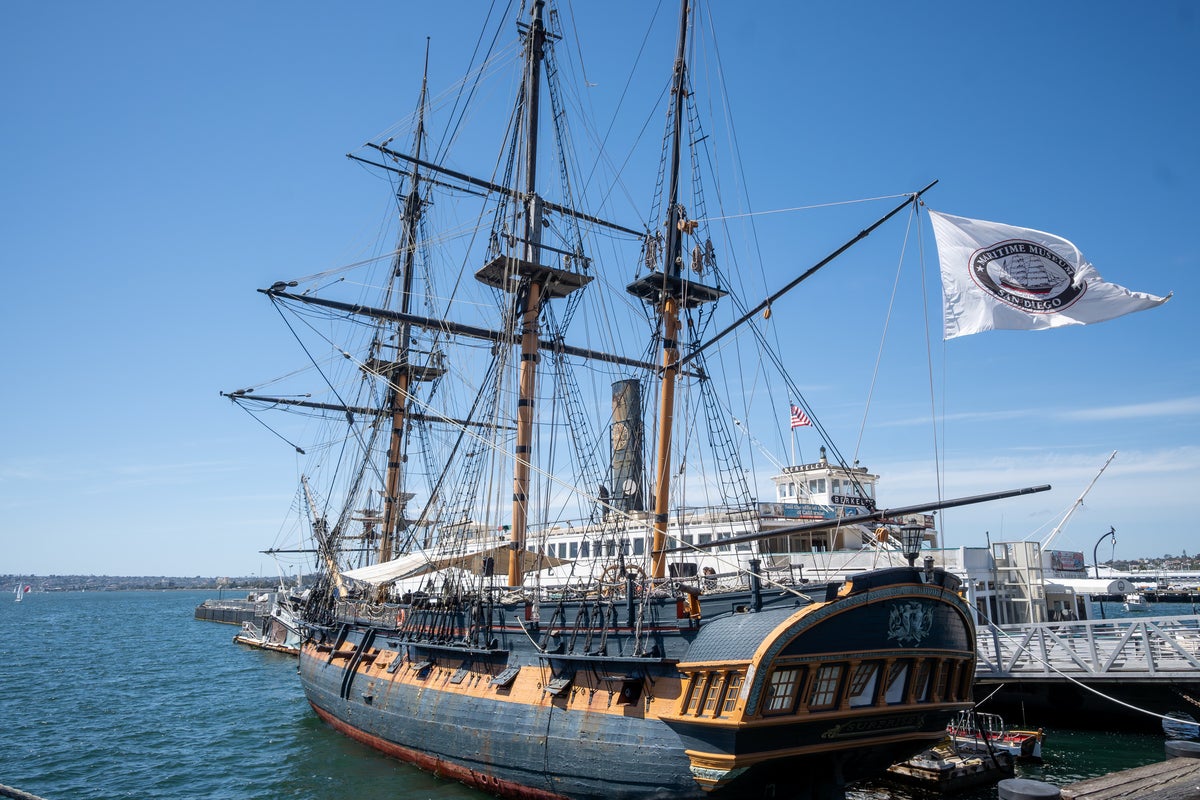
The Slow Death of Floating History
The announcement came with little warning. An iconic historic vessel, celebrated for its decades of public exhibition and appearances in blockbuster cinema, announced the permanent shutdown of its public tours after six decades. For casual visitors, the move felt sudden. For maritime preservationists and naval historians, it was an inevitable tragedy years in the making.
Saltwater does not care about heritage. Every minute a vessel sits moored in harbor, chemical reactions quietly destroy the steel, iron, and timber holding it together. Restoring a ship on dry land is expensive, but maintaining a afloat museum ship creates a perpetual financial drain that few municipalities or non-profit trusts can sustain indefinitely.
When public interest wanes and admission revenues collapse, ticket sales no longer cover basic hull preservation. The math turns brutal. Once maintenance backlogs accumulate beyond a critical threshold, public safety regulators step in. Doors close,Gangways are pulled back, and a ship transitions from a living monument to an unmanageable financial liability.
The Brutal Economics of Ship Preservation
Managing a historic vessel presents structural challenges unlike any other museum on Earth. A traditional museum housing artifacts inside a brick-and-building operates with predictable overhead. The roof needs fixing every two decades. The HVAC system requires periodic servicing.
A ship is entirely different. It exists inside a corrosive saltwater environment that actively consumes its infrastructure.
+-----------------------------------------------------------------------+
|                       THE ACCUMULATION OF DECAY                       |
+-----------------------------------------------------------------------+
|  Year 0-10: Minor paint degradation, routine drydocking affordable    |
|  Year 10-25: Structural hull thinning, electrical grid failure        |
|  Year 25-40: Deep interior corrosion, toxic material remediation risk |
|  Year 40-60: Critical hull compromise, irreversible closure risk      |
+-----------------------------------------------------------------------+
Drydocking Costs Break the Bank
Every ten to fifteen years, a major historic ship must enter a shipyard for drydocking. Workers drain the dock, scrape away marine growth, sandblast thousands of square feet of hull steel, repair weakened plates, and apply specialized anti-fouling coatings.
This single maintenance operation routinely costs between five million and twenty million dollars depending on the vessel size.
For a museum relying on ticket sales and souvenir purchases, raising that quantity of capital every decade is nearly impossible. Grants cover initial acquisition or specific restoration projects, but routine operational maintenance rarely attracts generous philanthropic donors. Donors prefer funding new exhibit halls or educational centers rather than paying for steel plating re-welding and bilge pump overhauls.
Corrosion Never Takes a Day Off
Cathodic protection systems and zinc anodes can slow electrolytic corrosion, but they cannot stop it entirely. Below the waterline, hull plates gradually lose thickness year after year.
Inside the hull, trapped moisture and condensation create hidden pockets of rot. Rust expands to eight times the volume of the original iron, breaking rivets and forcing steel plates apart in a process known as rust packing. By the time visible signs appear on interior bulkheads, structural integrity has already been compromised.
Pop Culture Fame Cannot Save Steel
Hollywood appearances often mask underlying financial ruin. A ship showcased in world-famous feature films creates the illusion of permanent prosperity. Tourists assume film royalties and global recognition guarantee structural survival.
The reality is far harsher. Film production companies pay location fees, but those payments cover short-term operational disruptions rather than long-term structural upkeep. Film fame provides a temporary bump in ticket sales, but the spike rarely lasts more than two or three years.
The Myth of Hollywood Salvage
When film crews leave, the fundamental economic model remains unchanged. Movie exposure brings casual tourists who walk the decks once and never return. Local repeat visitors remain rare because static exhibits do not change enough to justify multiple ticket purchases.
+-----------------------------------------------------------------------+
|                     HOLLYWOOD BUMP VS REALITY                         |
+-----------------------------------------------------------------------+
|  [Film Release] ----> 20-30% Spike in Admissions (Lasts 12-24 mos)    |
|  [Post-Film Era] ---> Return to Baseline Deficits                     |
|  [Fixed Overhead] --> Continuous Corrosion and Hull Thinning          |
+-----------------------------------------------------------------------+
Museum leadership often uses film revenue to patch short-term operational shortfalls instead of directing funds into dedicated drydock funds. When the spotlight fades, the maintenance backlog remains, larger and more expensive than before.
Hidden Environmental Hazards Deep in the Bilges
Preserving mid-twentieth-century ships involves dealing with dangerous materials embedded directly into their construction. Warships and ocean liners built between 1930 and 1970 contain metric tons of hazardous materials that modern safety standards prohibit.
- Asbestos Insulation: Engine rooms, steam pipes, and interior bulkheads were heavily insulated with friable asbestos to prevent shipboard fires.
- Lead-Based Paints: Decades of thick paint layers contain concentrated lead, requiring expensive environmental containment during any scraping or repainting effort.
- Polychlorinated Biphenyls (PCBs): Cable jacketings, electrical transformers, and specialized sealants contain toxic compounds that demand specialized disposal protocols.
The Remediation Trap
To keep a vessel open to the public, safety boards mandate strict monitoring of air quality and structural safety. If asbestos insulation deteriorates and releases fibers into public walkways, abatement costs escalate into millions of dollars.
Museum operators face a lose-lose choice. They can spend their entire emergency reserve removing hazardous materials, leaving nothing for hull preservation, or they can seal off historic sections of the ship, reducing the value of the visitor experience and causing ticket sales to drop further.
Why Local Governments Walk Away
In the initial decades after a ship becomes a museum, municipal governments frequently offer subsidies. They view the vessel as a valuable tourist anchor that generates hotel bookings, restaurant sales, and parking revenues for the surrounding waterfront district.
Over time, political priorities shift.
City councils face mounting budgets for basic infrastructure like road repairs, school funding, and public safety. Subsidizing a deteriorating steel hulk becomes politically indefensible during economic downturns.
When the choice comes down to funding local fire departments or funding a multi-million-dollar ship repair, elected officials consistently choose municipal services. The ship trust is left isolated, facing massive liabilities with zero safety net.
The Fate of Closed Vessels
What happens when gangways close permanently and public access ends? Historic ships rarely transition smoothly into peaceful retirement.
Option One: Land-Locked Preservation
The most permanent preservation method involves moving the ship into a permanent dry berth or surrounding it with filled land. This removes the hull from corrosive saltwater and eliminates the risk of sinking.
However, dry-berthing is enormously expensive. Building a concrete enclosure and supporting a vessel weighing thousands of tons out of the water requires massive civil engineering works, often exceeding thirty million dollars.
Option Two: Artificial Reef Creation
If preservation funds cannot be raised, stripping the vessel and sinking it to create an artificial reef remains a frequent alternative. Environmental teams strip all hydrocarbons, toxic plastics, and heavy metals before towing the hull offshore and detonating controlled charges.
While this option benefits marine life and recreational divers, it represents the complete loss of the ship as an accessible historical site.
Option Three: The Scrapyard
The most heartbreaking outcome for historians is shipbreaking. Scrap metal prices fluctuate, but a large steel hull can net several hundred thousand dollars at a recycling yard.
Cutting up a vessel converts a historic resource into razor blades and structural rebar. It is the final economic resolution when all fundraising avenues fail and the ship poses an active risk of capsizing in its berth.
Reimagining the Historic Vessel Model
If floating museums are to survive the coming decades, the operational framework must undergo radical structural changes. Relying solely on walk-up ticket sales and gift shop purchases is a proven path to bankruptcy.
Hybrid Commercial Integration
Some surviving vessels have extended their lifespans by converting interior spaces into boutique hotels, event venues, and office rentals. Generating daily rental income from staterooms and function halls provides steady cash flow independent of tourist seasons.
This approach requires compromise. Pure historical accuracy must yield to modern plumbing, electrical wiring, and climate control inside repurposed spaces. Preservationists often criticize these alterations, but compromised survival is objectively superior to the scrapper's torch.
Government Heritage Grants and Trust Endowments
Long-term survival demands dedicated endowment funds established at the time of the ship's decommissioning. Rather than spending all initial capital on converting the vessel into a museum, a substantial portion must be locked into high-yield financial trusts restricted exclusively for future drydocking operations.
Without structural financial reform, the closure of this latest cinematic icon is merely a preview of what lies ahead for historic naval architecture across the globe.
The ticking clock on marine corrosion does not pause for nostalgia. Unless public institutions and private donors build sustainable funding models, more historic decks will go quiet, leaving future generations with nothing more than film footage to remember these grand floating monuments.