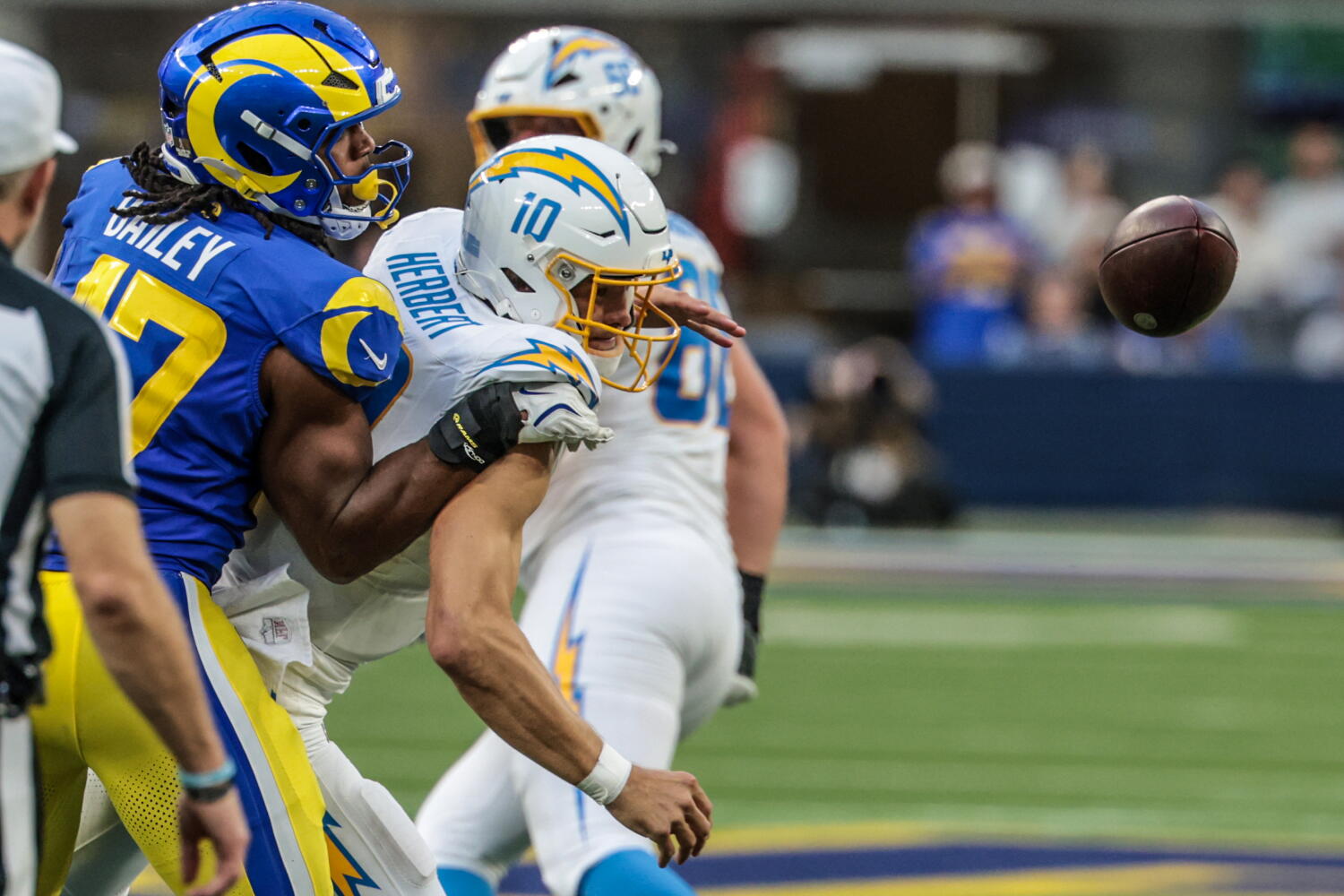
A winless regular season in the modern NFL always feels improbable until it suddenly looks inevitable, and the Los Angeles Chargers are staring down a historical trap that no franchise wants to spring. With the league operating on a 17-game schedule, an 0-17 record represents more than a bad autumn. It is an institutional indictment that touches coaching, roster construction, quarterback protection, and front-office accountability all at once.
I have covered professional football long enough to know that teams rarely tumble into historic misery by accident. When a franchise spirals toward a winless season, you usually find months of quiet miscalculations piling up behind closed doors before the scoreboard ever tells the full story.
Consider this a hypothetical example of how modern football math traps a struggling club: if a team trails by two scores early in the third quarter, runs low-percentage passing concepts to catch up, and turns the ball over twice in its own territory, the deficit balloons before the coaching staff can even adjust the run-pass balance. Multiply that pattern across a 17-game slate, and even a nominally talented roster can run out of Sundays.
How a 17-Game Slate Changes the Math of Failure
For decades, the NFL's 16-game schedule served as a forgiving buffer for chaotic franchises. A team could drop its first four or five contests, fire an offensive coordinator, rally in November, and limp to a two- or three-win finish that felt forgettable by spring. That safety net disappeared when the league stretched the calendar to 17 games.
Every extra game added to the schedule increases exposure to injuries, fatigue, and variance. For a contender, an extra week creates another chance to chase a playoff seed or rest starters. For a team already mired in a losing streak, a 17th game is simply one more Sunday where depth pieces are forced into starting roles against opponents playing for seeding or pride.
The Attrition Penalty Nobody Budgets For
Depth charts in the NFL are built on optimism and salary-cap compromises. When key starters go down early in the autumn, general managers rely on backups who were signed for minimum salaries or special-teams utility. Over 17 weeks, that attrition compounds.
A left tackle playing on a strained knee or a third-string cornerback asked to cover perimeter receivers in man coverage changes the entire game plan. Coaches begin calling shorter routes, limiting blitzes to protect a depleted secondary, and hoping to survive possessions rather than dictate terms. Opposing coordinators see those concessions on film within hours and attack the exact soft spots they reveal.
Late-Season Motivation Cuts Both Ways
Conventional wisdom suggests that a team sitting at zero wins in December has nothing left to lose and might catch a coasting opponent off guard. In practice, late-season football in the NFL rarely works that cleanly.
Teams fighting for wild-card spots or division crowns treat December games like playoff eliminators, bringing sharper execution and deeper rotations. Even eliminated teams often play with a strange urgency tied to contract incentives, auditioning for future jobs on tape while a winless squad battles mounting frustration and locker-room fatigue. When a team cannot close out tight fourth quarters early in the year, belief erodes, and close losses start turning into blowout defeats.
Why Roster Construction Matters More Than Hype
Fans and pundits love to grade offseasons in March, handing out trophies for free-agent splashes and draft-day grades before a single pad is popped. Real roster evaluation happens in November, when salary cap reality and injury luck collide.
A franchise can carry high-profile names at marquee positions and still lack the structural balance required to win in the trenches. If the offensive line leaks pressure on early downs, even an elite quarterback is forced off schedule, turning rhythm throws into hurried prayers. Defensively, a front seven that cannot generate pressure without blitzing leaves defensive backs stranded in space against modern spread concepts.
- Quarterback protection dictates whether an offense can stay on schedule or constantly faces third-and-long situations.
- Run defense discipline determines whether opponents stay balanced or abandon the run in favor of aggressive passing attacks.
- Special teams execution flips hidden yardage, field position, and momentum in games decided by a single possession.
- Coaching adjustments separate teams that adapt at halftime from those that repeat failed scripts until the clock runs out.
None of those pillars operate in isolation. When linebacker play lags behind scheme demands, tight ends work open over the middle. When red-zone efficiency stalls inside the 20-yard line, kicking field goals against high-powered offenses feels like bringing a pocketknife to a gunfight.
The Sideline and Front Office Fault Lines
Whenever a franchise flirts with an 0-17 finish, blame ricochets between the owner's suite, the general manager's office, and the coaching staff. Veteran observers know the finger-pointing usually obscures a deeper alignment problem.
If a general manager drafts for long-term upside while a head coach is fighting to survive week to week, incentives pull in opposite directions. A coach under immediate pressure leans on veterans and conservative calls to keep games respectable, while the front office wants to see younger players take developmental snaps. That quiet tug-of-war often produces muddled game management, questionable fourth-down decisions, and mixed messages in the locker room.
Clock Management and Situational Discipline
Bad teams rarely lose solely because of talent gaps; they lose because small mistakes snowball at critical junctures. A pre-snap penalty on a third-and-short conversion, a timeout burned because personnel groupings were late getting on the field, or a poorly timed gamble near midfield can swing win probability dramatically.
Over the course of a season, those situational errors add up to lost possessions and exhausted defenses. When a defense spends 34 minutes on the field week after week, its legs go heavy in the fourth quarter, making late comebacks nearly impossible even when the offense finally finds rhythm.
Locker Room Morale Under Historic Scrutiny
Media coverage around a potential winless season is relentless, and players feel the weight of every question asked at the podium. Keeping a locker room engaged when the standings offer no immediate reward is one of the hardest jobs in professional sports.
Sometimes veteran leaders hold the room together out of sheer pride and brotherhood. Other times, frustration simmers beneath polite public answers, especially when roles shift or playing time fluctuates. Once players start looking ahead to the offseason rather than the next snap, a rough season can curdle into an unmitigated disaster.
What History Tells Us About Rock Bottom
Football history is full of franchises that hit staggering lows before finding a way back, though the road out is never guaranteed. The 2008 Detroit Lions went 0-16 in a 16-game era, and the 2017 Cleveland Browns matched that 0-16 mark before both organizations eventually underwent sweeping resets in leadership, quarterback play, and culture.
| Franchise & Season | Final Record | Immediate Aftermath | Long-Term Lesson |
|---|---|---|---|
| Detroit Lions (2008) | 0-16 | Overhaul of coaching staff and front office | Talent alone cannot rescue broken organizational structure |
| Cleveland Browns (2017) | 0-16 | Continued roster turnover and multi-year rebuild | Patient foundational building matters more than quick fixes |
| 17-Game Era Benchmark | No 0-17 team yet | Historic scrutiny and franchise-wide reckoning | One extra game raises the stakes of every collapse |
Those precedents show that rock bottom can clear out dead wood and force honest self-examination. Yet history also warns against assuming a high draft pick or a fresh coaching hire automatically cures deep organizational dysfunction.
A team in danger of an 0-17 mark has to answer uncomfortable questions about scouting, player development, strength and conditioning, and cap allocation. Fixing one leak while ignoring three others just delays the next storm.
Gray Areas in Evaluating a Lost Year
Not every detail of a disastrous season is black and white, and rushing to simple narratives often misses crucial nuance. A club can suffer brutal injury luck at the exact positions where its depth is thinnest, making an evaluation of coaches or young players tricky.
At the same time, blaming injuries for every shortcoming is a convenient shield for poor planning. Depth is part of roster building, and coaching staffs are paid to adjust schemes around available personnel rather than forcing square pegs into round holes for four months.
There is also a tension between chasing a single late-season win for pride and securing higher draft positioning for the future. Front offices and fans debate that trade-off endlessly, though players and coaches on the field are competing for their own jobs and reputations every single week.
The Real Cost of Avoiding Accountability
An 0-17 season stings on the record books, yet the bigger danger for the Chargers—or any franchise in that spot—is pretending the skid is just bad luck. Every blown lead, every flat opening drive, and every unresolved roster hole leaves a mark that carries into the next offseason.
Ownership has to look past excuses, separate structural flaws from temporary variance, and demand real answers from everyone inside the building. When a team refuses to confront why it keeps losing, the calendar eventually runs out of places to hide.



