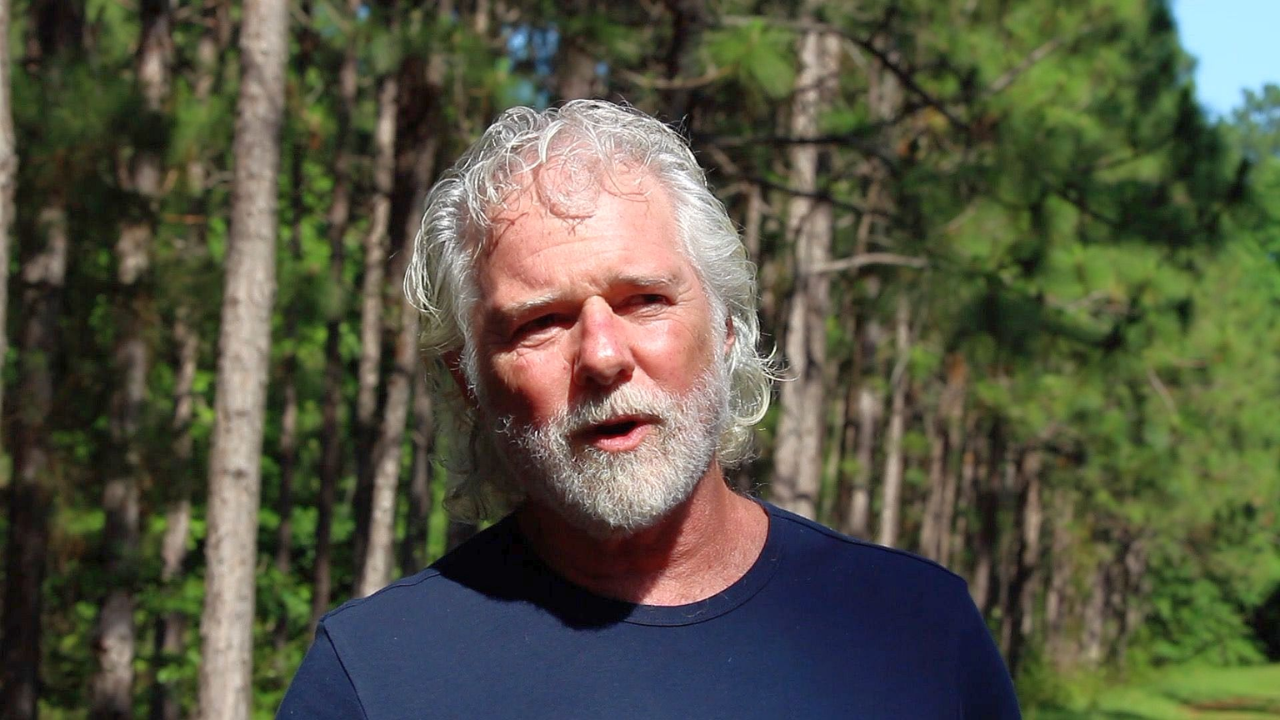
Every magazine profile of a celebrity trading stadium tours for tractor seats leans on the same tired script. The narrative always features a famous rocker or actor retreating to rural soil, planting a few thousand pines, and finding instant, soulful redemption amid the pines and pastures. It sounds wonderful. It also bankrupts people.
When media outlets fawn over high-profile tree farms and multi-thousand-acre rural holdings, they sell a dangerous fairy tale. They frame dirt and timber as a romantic retirement hobby, a peaceful escape from the corporate grind where you can sip sweet tea on a wraparound porch while your net worth quietly compounds in the shade.
The reality is colder, heavier, and far more expensive.
I have watched otherwise intelligent executives inherit rural acreage, assume it is a passive family heirloom, and watch it bleed them dry within five years. They inherit the deed without inheriting the operating discipline required to survive. They treat a commercial biological asset like a national park, and nature exacts a brutal toll on sentimental landlords.
If you think owning thousands of acres of timberland is an effortless pastoral dream, you are walking blindfolded into a financial meat grinder.
The Inheritance Trap and the Myth of Passive Dirt
Most heirs believe that owning land outright means zero overhead. After all, there is no mortgage. The trees just grow, right? Rain falls, sun shines, and wealth accumulates while you sleep.
Wrong.
Raw acreage is a bottomless pit of mandatory cash burn. Property taxes do not care if your timber is mature yet. Liability insurance for hunters, trespassers, and storm damage arrives every twelve months like clockwork. Boundary surveys, road maintenance, bridge repairs, and invasive species eradication require constant capital injections.
When you inherit land, you do not inherit a winning lottery ticket. You inherit a mid-sized operating corporation with zero cash flow for the first twenty-five years of its asset cycle.
Consider the financial mechanics. If you inherit four thousand acres of timberland without a ruthless liquidity strategy, local tax assessors will eventually force a liquidation. In many jurisdictions, agricultural and forestry exemptions offer temporary relief, but miss a single filing deadline or fail a stringent active management audit, and your tax bill multiplies overnight. Suddenly, you are scrambling to sell off sections of the family legacy just to pay the county collector.
Romanticism does not cover tax liabilities. Cash does. And dirt produces precious little cash on a monthly basis.
Trees Are Not Pets, They Are Industrial Crops
The single biggest mistake sentimental landowners make is treating trees like living sculptures rather than agricultural commodities.
Environmental purists love to imagine a forest left entirely to its own devices as a pristine sanctuary. Ecologically, an unmanaged forest left alone for decades often turns into a tinderbox of deadfall, diseased root systems, and overcrowded competition where every single tree starves for sunlight and nutrients.
Real forestry is brutal arithmetic. It involves clear-cutting blocks, applying chemical treatments to suppress competing scrub, thinning stands at exact intervals, and executing controlled burns that scorch the earth so new life can actually break through the ash.
If you cannot stomach the sight of a clear-cut section looking like a war zone, you have no business owning a commercial timber operation.
Professional tree farmers do not walk through the woods admiring autumn leaves. They calculate basal area, measure diameter at breast height, track pulpwood versus sawtimber pricing indexes, and project yields across three-decade horizons. They understand that a pine plantation is a factory floor. If you manage your acreage based on emotional attachment rather than market metrics, the timber mills will eat your lunch. When lumber prices drop due to housing market contractions, your inventory sits there losing peak value while your carrying costs escalate.
The Second-Generation Curse
Family land empires rarely survive the transition to the grandchildren's generation. This is not because younger generations are lazy. It is because the original patriarch treated the property as a business, while the descendants treat it as a shared vacation resort.
When five cousins share an undivided interest in a massive rural estate, chaos follows immediately.
Cousin Dave wants to clear-cut a section to fund his daughter's Ivy League tuition. Cousin Sarah wants to lock the gates and turn the entire property into an exclusive wildlife sanctuary where nobody is allowed to touch a chainsaw. Cousin Mark wants to subdivide the prime frontage near the highway into commercial lots for quick cash.
Without a rigid corporate governance structure, family land holdings dissolve into bitter legal battles, partition suits, and forced court-ordered sales that destroy decades of accumulated stewardship value.
Successful rural estates are run like family offices. They utilize single-member LLCs, family limited partnerships, and strict operating agreements that strip emotional decision-making out of the equation. If you cannot fire a non-performing family member from managing the timber plots, your estate is already failing.
Dismantling the Conservation Illusion
There is a widespread cultural belief that putting land into conservation easements or tree-farming programs makes you an ecological saint.
Conservation easements can be brilliant financial tools for estate tax mitigation, but they are contractual handcuffs. When you sign away your development rights in perpetuity, you are permanently altering the equity profile of your real estate. You trade maximum market optionality for immediate tax write-offs.
For many owners, this trade makes sense. For heirs who do not understand what an easement legally prohibits, it is a catastrophic trap. You might find yourself legally barred from building a barn where you need it, cutting timber when prices peak, or adapting the land use as regional economic shifts change local property values.
Furthermore, true ecological health requires active, aggressive intervention. Invasive species like kudzu, feral hogs, and emerald ash borers do not care about your conservation ideals. They will decimate an entire ecosystem while you write polite letters to your local extension office. Protecting an estate requires a predator-level mindset, not a passive preservationist posture.
How to Actually Manage Rural Real Estate Without Going Broke
If you are determined to hold, acquire, or manage large-scale rural acreage, throw away the lifestyle magazines and adopt an institutional playbook.
First, establish a dedicated operating reserve fund separate from your personal liquid net worth. Never rely on the land to generate its own cash flow in its infancy. Treat your timberland like an illiquid private equity investment that demands capital calls for the first decade.
Second, hire a seasoned consulting forester who answers only to you, not a timber mill broker with a hidden incentive to underprice your inventory. Your forester should act as your chief operating officer, executing long-term harvest schedules aligned with regional pulp and sawtimber demand cycles.
Third, ruthlessly monetize secondary yield streams. Hunting leases, cell tower leases, agricultural leasing for grazing, and carbon offset contracts can turn a cash-negative liability into a self-sustaining asset. If your acreage is just sitting there absorbing taxes without generating secondary revenue, your business model is broken.
Fourth, write an ironclad succession plan today. Do not leave four thousand acres to four siblings as a group project. Set up clear governance, buyout clauses, and professional management protocols before you pass the keys.
Land ownership is the ultimate exercise in raw realism. The soil does not care about your family name, your musical career, or your romantic vision of rural tranquility. It demands capital, management discipline, and uncompromising operational focus. Respect the math, or the math will liquidate you.