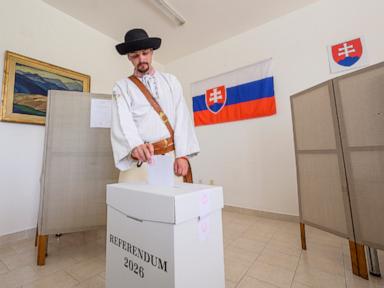
The democratic exercise failed long before the first ballot box opened. On July 4, 2026, Slovak voters overwhelmingly rejected the political perks of their ruling elite, with over 94 percent voting to strip populist Prime Minister Robert Fico of his state-funded lifetime salary and resurrect the nation's premier anti-corruption agencies. Yet, none of it matters. Because fewer than 26 percent of eligible citizens bothered to show up at the polls, the entire initiative collapsed under the weight of a strict constitutional 50 percent turnout threshold, leaving the country’s dismantled institutional checks exactly as Fico intended.
This outcome was entirely predictable. For decades, Central European autocrats have mastered the art of weaponizing voter apathy, turning democratic mechanisms into performative theater where the public loses by simply staying home. The referendum, initiated by the extra-parliamentary opposition party Democrats after gathering 350,000 signatures, sought to roll back the controversial "Lex Atentát" passed in the wake of the May 2024 assassination attempt on Fico. Instead, the empty polling stations have effectively cemented a regime designed to shield the executive branch from accountability.
The Architecture of the Lifetime Pension
To understand how Slovakia arrived at this structural impasse, one must dissect the specific legal engineering behind the privileges the opposition attempted to dismantle. Section 24a(1)(b) of Act No. 120/1993 Coll., amended hurriedly under the guise of state security, grants an automatic, lifelong monthly stipend equal to a lawmaker's salary to any prime minister or parliament speaker who serves more than two full electoral terms.
Before this amendment, the privilege belonged exclusively to former presidents. The legislative text was crafted with a veneer of neutrality, yet its criteria applied to precisely one living politician: Robert Fico.
Defenders of the law argued that a leader who survived a politically motivated shooting deserves permanent state protection and financial independence. But the economic reality of the measure stretches beyond a simple pension. It signals the codification of an untouchable political caste, operating above the financial precarity of the citizens they govern.
Dismantling the Watchdogs
The second question on the ballot struck at the true core of the Slovak state crisis: the restoration of the Special Prosecutor’s Office (ÚSP) and the National Criminal Agency (NAKA). These institutions were the primary engines behind high-level graft investigations, successfully prosecuting dozens of individuals connected to Fico’s ruling Smer party during its previous stints in power.
+------------------------------------------------------------+
|                THE ANATOMY OF INSTITUTIONAL DECAY          |
+------------------------------------------------------------+
| 2024: Lex Atentát passed; ÚSP and NAKA dissolved.          |
| 2026: Opposition triggers referendum via 350k signatures.  |
| July 4, 2026: 94% vote "Yes," but <26% turnout voids result|
+------------------------------------------------------------+
Fico’s coalition dismantled both bodies earlier in his term, redistributing complex corruption files to regional offices ill-equipped to handle organized crime syndicates. This structural erasure drew sharp rebukes from Brussels, threatening the suspension of European Union cohesion funds. By framing the referendum as an expensive, partisan stunt costing over 10 million euros, the ruling coalition successfully convinced its base that ignoring the vote was a civic duty, ensuring the anti-corruption apparatus remains dead.
The Strategy of Organized Silence
Slovakia’s constitutional architecture features a fatal flaw: a referendum requires a majority of all registered voters to turn out, not just a majority of those who vote. In a polarized society, this transforms boycotts into an unbeatable political strategy.
Ruling politicians did not need to campaign against the opposition's arguments; they merely needed to cultivate silence. By remaining quiet and instructing their voters to treat Saturday as any other summer weekend, Fico's allies leveraged the natural inertia of a cynical electorate. The opposition, lacking parliamentary representation and mainstream media amplification, lacked the logistical power to break through this wall of indifference.
The result is a dangerous status quo. A tiny, highly motivated slice of the population demanded systemic reform, while the vast majority chose passive complicity. This gives the current administration a mandate of exhaustion, allowing them to claim that the public has no appetite for pursuing historical corruption cases or stripping leaders of state-funded luxury.
The defeat of the July 4 referendum demonstrates that when apathy is institutionalized, the ballot box ceases to be a tool for accountability. It becomes a monument to the resignation of a nation.
To gain deeper context into the political landscape leading up to this vote, watch this overview of the Slovak political pension debate, which highlights the initial dynamics of the opposition-led petition.