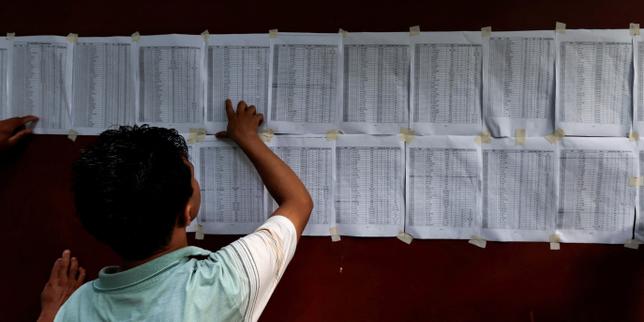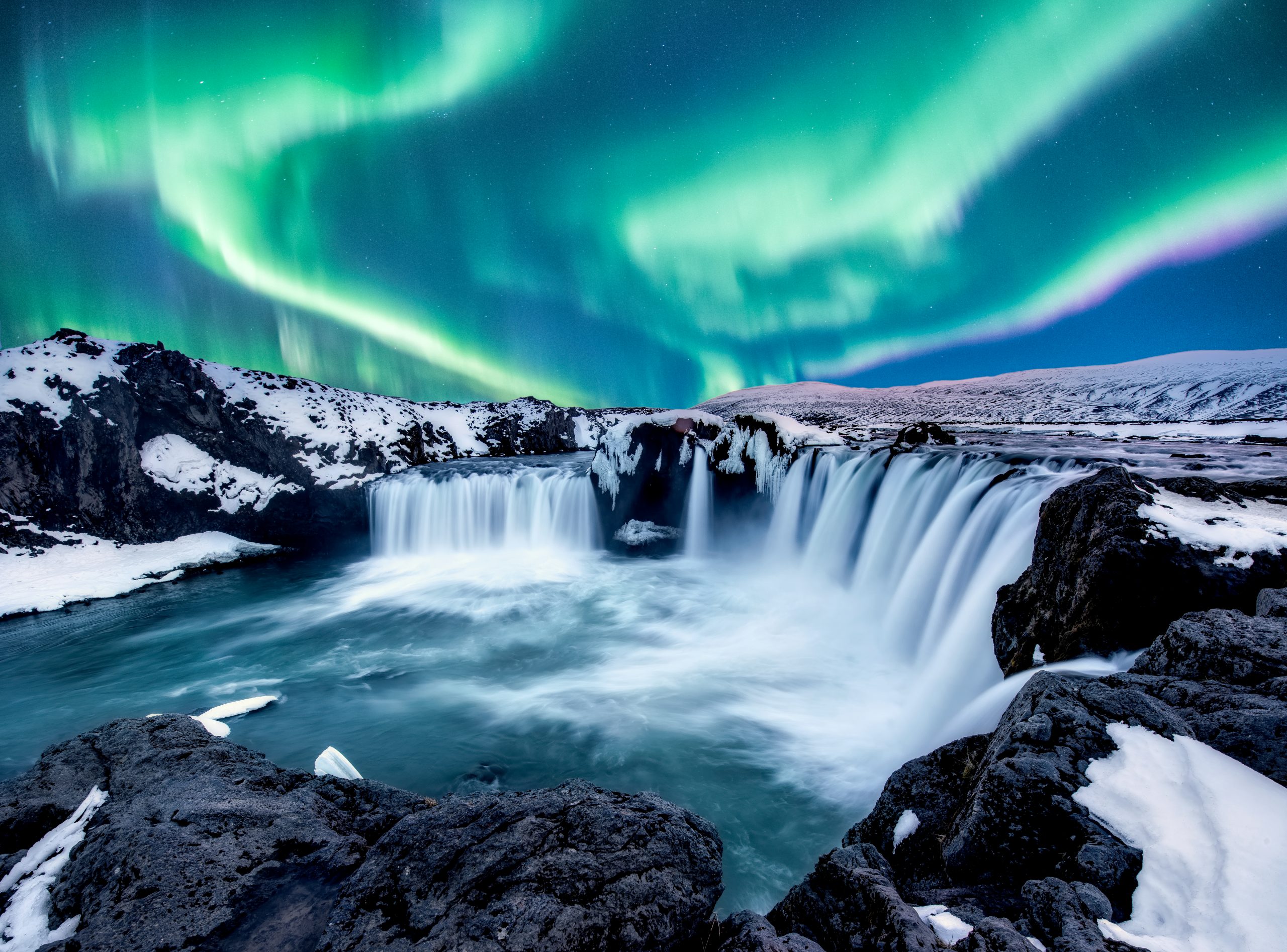
Icelandic voters face a sharp ideological fracture as parliamentary elections approach, bringing the possibility of restarting European Union membership talks back to the forefront of national politics. This remote North Atlantic island nation of roughly four hundred thousand people has long maintained a fierce, fiercely guarded independence. Yet, persistent economic instability, a volatile currency, and the sheer administrative weight of managing a modern economy from the fringes of Europe have forced politicians to reopen a file many thought permanently closed.
The debate centers on whether the sovereign benefits of the Icelandic króna and absolute control over rich fishing grounds outweigh the stability and market access that come with integration into the European bloc.
The Currency Trap and Inflation Strains
Every economic conversation in Reykjavík eventually returns to the króna. It is a micro-currency traded in thin volumes, making it exceptionally vulnerable to external shocks, capital flight, and speculative attacks. When global markets shudder, the króna plunges, importing inflation directly into the grocery baskets and mortgage payments of average citizens.
For years, successive governments managed this volatility through strict capital controls and high interest rates. These measures protected domestic banks following the catastrophic 2008 financial collapse, but they inflicted heavy collateral damage. Businesses struggle to plan investments when borrowing costs swing wildly. Young families find homeownership an escalating hurdle as central bank rates remain elevated to combat stubborn inflation driven by tourism and housing shortages.
Proponents of joining the European Union argue that adopting the euro would instantly anchor the economy, lower transaction costs, and eliminate currency risk for exporters. Opponents, however, counter that abandoning monetary independence strips the nation of its primary shock absorber. If Iceland surrenders monetary policy to Frankfurt, it loses the ability to devalue its currency during a severe downturn in its primary export sectors.
The Battle Over Marine Resources
No obstacle to European integration matches the emotional and economic weight of the fisheries. For Icelanders, the ocean is not merely an industry; it is the literal foundation of sovereignty. The nation built its modern prosperity on the back of its exclusive economic zone, managing stocks through a scientifically rigorous individual transferable quota system.
The core friction point with Brussels lies in the Common Fisheries Policy. Icelanders fear that joining the bloc would mean surrendering control of their fishing grounds to bureaucrats who view marine resources through a continental lens. In a hypothetical scenario where Icelandic quotas are pooled or heavily regulated by European mandates, local coastal communities face potential devastation.
Political parties favoring a referendum tread carefully around this issue, often suggesting that specific opt-outs or special status could be negotiated. Skeptics remain unconvinced, arguing that Brussels rarely grants structural exemptions of this magnitude. The fishing lobby remains politically potent, capable of sinking any coalition government that appears soft on maritime sovereignty.
Geopolitical Realignment in the North Atlantic
Beyond economics and fish, the foreign policy calculus has shifted dramatically. For decades, Iceland maintained a comfortable distance from European integration while sheltering under the security umbrella of the North Atlantic Treaty Organization and a bilateral defense agreement with the United States.
The security architecture of the Arctic has transformed rapidly. As receding ice opens new shipping lanes and draws renewed military competition from Russia and China, Iceland's strategic geography has gained heightened importance. European integration advocates argue that economic alignment with Brussels naturally complements Reykjavík's Western security commitments, creating a unified front against geopolitical instability.
Conversely, nationalists view the European Union as an overreaching regulatory machine that erodes national self-determination. They point to the bureaucratic friction experienced by post-Brexit Britain as a cautionary tale of untangling deep economic integration, though Iceland's starting position outside the bloc presents an inverse challenge.
The Political Landscape and Public Skepticism
Public opinion on European Union membership remains deeply divided and fluid, reacting sharply to short-term economic indicators rather than ideological conviction. When inflation spikes and the króna weakens, support for EU talks ticks upward. When fish prices surge and the tourism sector booms, skepticism regains the upper hand.
Political parties are fractured along these exact fault lines. Center-left factions lean toward holding a national plebiscite to test the waters, arguing that a modern democracy should not fear asking its citizens for a mandate. Center-right groups, traditionally tied to agrarian and fishing interests, fight fiercely to keep the application frozen indefinitely.
The outcome of the upcoming vote will not settle the question once and for all. It will merely determine whether Iceland takes the first tentative, treacherous step back toward a debate that has haunted its political soul since the nation declared independence from Denmark in 1944. The path forward remains narrow, steep, and fraught with historical grievance.