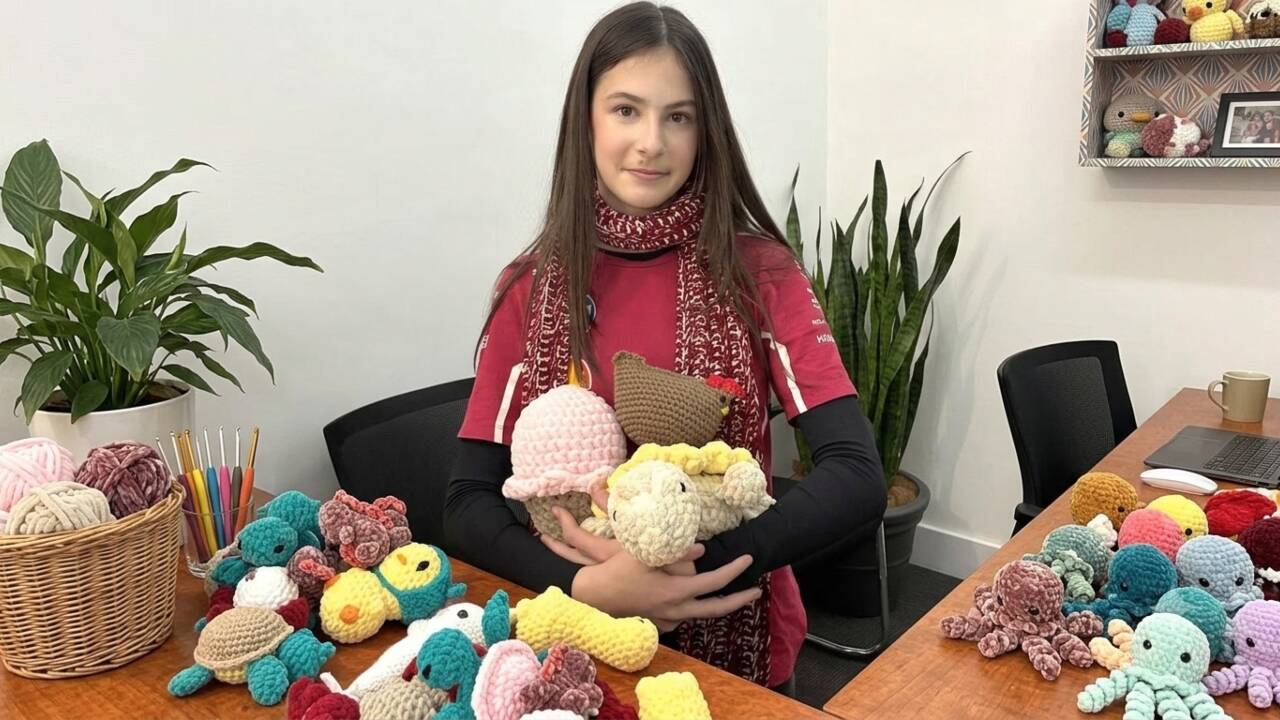
Feel-good stories make terrible medicine. Every time a teenager stitches together a pile of felt toys and hands them over to a pediatric ward, the internet loses its collective mind. Headlines praise the compassion. Comment sections flood with applause. Everyone walks away feeling like humanity just leveled up.
It is a comforting illusion. It is also completely backwards.
I have spent years watching institutions manage infection control, clinical workflow, and patient psychological safety. I have seen well-meaning efforts backfire because emotional comfort was prioritized over operational reality. The lazy consensus says any gift given with a pure heart is inherently good. That logic belongs in a greeting card, not a sterile medical environment.
Let us tear apart the myth of the hospital plushie donation and look at what is actually happening behind the closed doors of a children's ward.
The Infection Vector Nobody Wants to Talk About
Fabric holds things. Sweat, skin cells, dust mites, bacteria, and viral particles love a porous, fluffy surface. When you hand a handmade, unsealed, fabric toy to an immunocompromised child undergoing chemotherapy, you are not handing over comfort. You are potentially handing over a vector for secondary infection.
Hospitals are war zones against pathogens. Every single item entering a patient room undergoes rigorous scrutiny for sanitization. Commercial medical toys are made with specific plastics, vinyls, or synthetic blends that can be wiped down with industrial-grade disinfectants between uses, or they are manufactured in sterile, single-use vacuum-sealed packaging.
A teenager sewing a teddy bear in a suburban bedroom does not have an ISO-certified cleanroom. They have a sewing machine, a family pet wandering around the floor, and a pair of unwashed hands that touched a smartphone five minutes prior.
When a hospital accepts these donations, staff face an impossible choice. They either quietly toss them in the biohazard bin out of sight of the donors—wasting hours of administrative and nursing labor—or they hand them to a patient and cross their fingers that an MRSA outbreak does not follow.
The Emotional Toll on the Patient and Family
Proponents argue that these items provide psychological warmth during a terrifying hospital stay. But let us look at the data on how children actually process acute medical stress.
Children in high-acuity wards do not need a random, asymmetrical felt creature with plastic button eyes that could potentially pop off and become a choking hazard. They need predictability, clinical transparency, and professional Child Life Specialists.
Child Life Specialists are trained clinicians with degrees in human development. They use evidence-based play therapy to prep kids for MRI machines, surgeries, and painful procedures. They do not hand out random crafts; they use specific therapeutic tools designed to lower cortisol levels and build coping mechanisms.
When a room is cluttered with unrequested, random donations, it creates cognitive clutter. Parents are already drowning in medical paperwork, anxiety, and sleep deprivation. Managing a pile of guilt-inducing knick-knacks that they feel obligated to keep out of politeness to the donor adds an entirely unnecessary emotional tax.
Why We Prefer Performative Charity Over Structural Solutions
Why do we keep recycling this narrative? Because performative charity is cheap, photogenic, and requires zero systemic change.
Organizing a plushie drive lets people feel like activists without having to interrogate the actual failures of the healthcare system. It requires no lobbying for better nurse-to-patient ratios. It requires no fundraising for advanced medical equipment. It requires no uncomfortable conversations about why certain communities lack access to basic preventative care in the first place.
Imagine a scenario where that same group of teenagers redirects their energy, time, and supply budget. Instead of spending fifty hours cutting felt, what if they fundraised directly for hospital infrastructure, or volunteered as administrative aides to free up nurses so they could spend more actual time talking to scared kids?
The impact would multiply by a factor of ten. But it would not look as good on a local news segment. There is no cute photo-op of a teenager handing over a spreadsheet. Society trades real systemic efficacy for social media dopamine hits every single day, and the medical sector bears the cost.
What You Should Do Instead
If you actually care about sick kids, stop crafting. Start listening to what hospital administrators and clinical staff are begging for on their official wishlists.
- Stop buying craft supplies. The material and shipping costs almost always outweigh the actual utility of the finished handmade item.
- Check the official hospital procurement lists. Hospitals rarely need random soft goods. They need specific electronics, gift cards for gas and groceries for low-income parents staying by bedsides, or funding for professional staff programs.
- Support clinical research and staffing. Donate directly to foundations that fund Child Life departments or nursing scholarships.
Good intentions are not a strategy. Compassion without competence is just noise.
Put down the sewing needle.