The current standoff between Washington and Tehran is not a strategic masterclass. It is a slow, grinding failure of imagination. Two months after the initial strikes began in late February 2026, the administration in Washington finds itself trapped in a cycle of its own making. There is no simple path to victory, despite what the rhetoric from the White House suggests. The reality on the ground is a fractured, unstable environment where neither side can force the other to submit, and the global economy is paying the price for this stubborn impasse.
For weeks, President Donald Trump has declared that the Iranian military infrastructure has been destroyed. He has promised an end to the conflict on American terms. Yet, the Strait of Hormuz remains effectively closed, choked by a dual blockade that keeps oil prices high and markets jittery. The administration claims that the Iranian government is on the verge of collapse or surrender, but diplomatic cables and the current reality of the ceasefire negotiations suggest something entirely different. The Iranian leadership, despite the loss of Supreme Leader Ali Khamenei, has demonstrated a stubborn capacity to absorb damage and respond in kind.
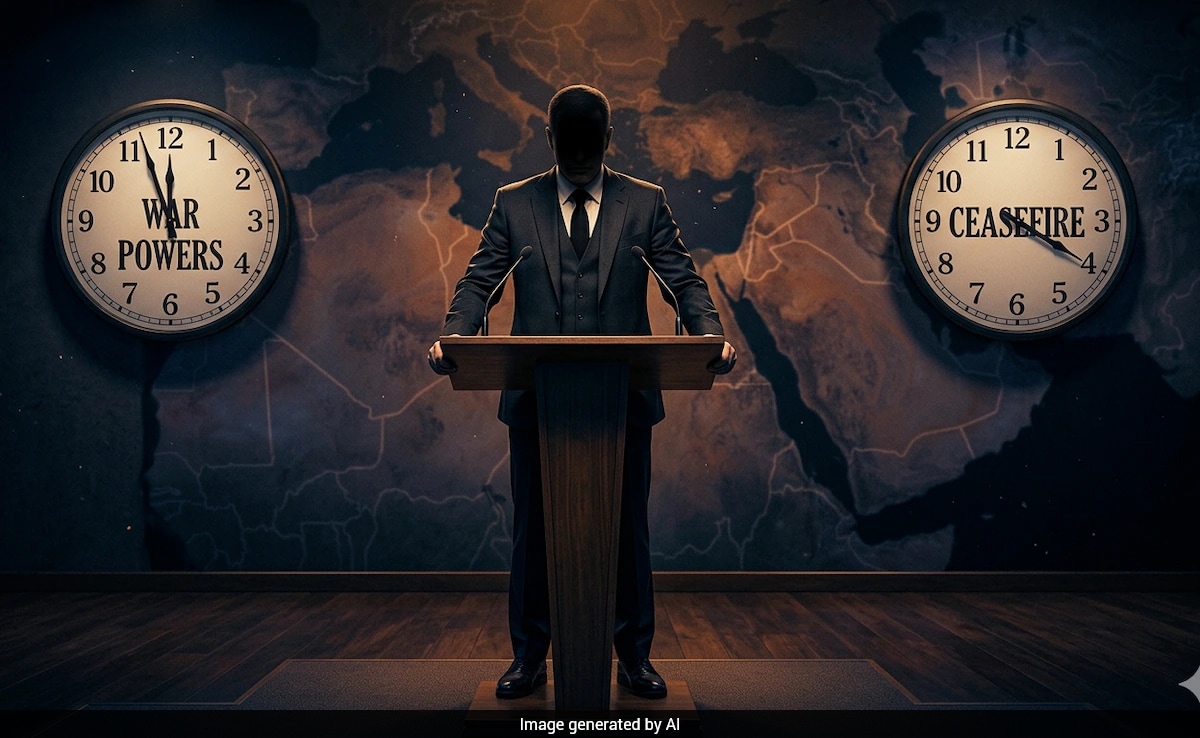
The disconnect between official statements and the lived experience of the conflict is striking. When the administration announced the two-week ceasefire on April 8, it was presented as the first step toward a lasting peace. Instead, it has become a period of waiting, with no clear diplomatic breakthrough. The negotiations in Islamabad have stalled, blocked by the very demands that the White House initially presented as non-negotiable.
The Myth of Unconditional Surrender
The administration's core premise has been that overwhelming military force would compel Iran to accept a set of demands: zero nuclear enrichment, the end of missile development, and the termination of support for armed groups throughout the region. This strategy assumes that the Iranian state operates like a conventional corporation that can be dismantled through enough pressure. It ignores the historical resilience of the Iranian security apparatus, which has spent decades preparing for exactly this type of conflict.
When the first strikes were launched on February 28, the assumption in the White House was that a show of force would fracture the Iranian regime. Instead, it galvanized the population in surprising ways and solidified the internal power structure. The assassination of high-ranking officials did not create a vacuum that the US could fill. It merely forced a reshuffling of leadership that prioritized survival over negotiations.
The demand for unconditional surrender was always a rhetorical device rather than a realistic policy goal. By setting the bar so high, the administration eliminated any space for compromise. If the US government accepts anything less than a total reversal of decades of Iranian policy, it risks looking weak. If Iran accepts the current terms, it loses its only means of deterrence. This is the fundamental deadlock of the current crisis.
The Economic Consequences of Blockade
The closure of the Strait of Hormuz has transformed from a tactical move by Tehran into a global economic crisis. Every day that the waterway remains obstructed, the cost to the global economy mounts. The United States has responded with a counter-blockade of Iranian ports, a move designed to starve the Iranian economy. However, this strategy is also inflicting significant damage on international shipping and energy markets.
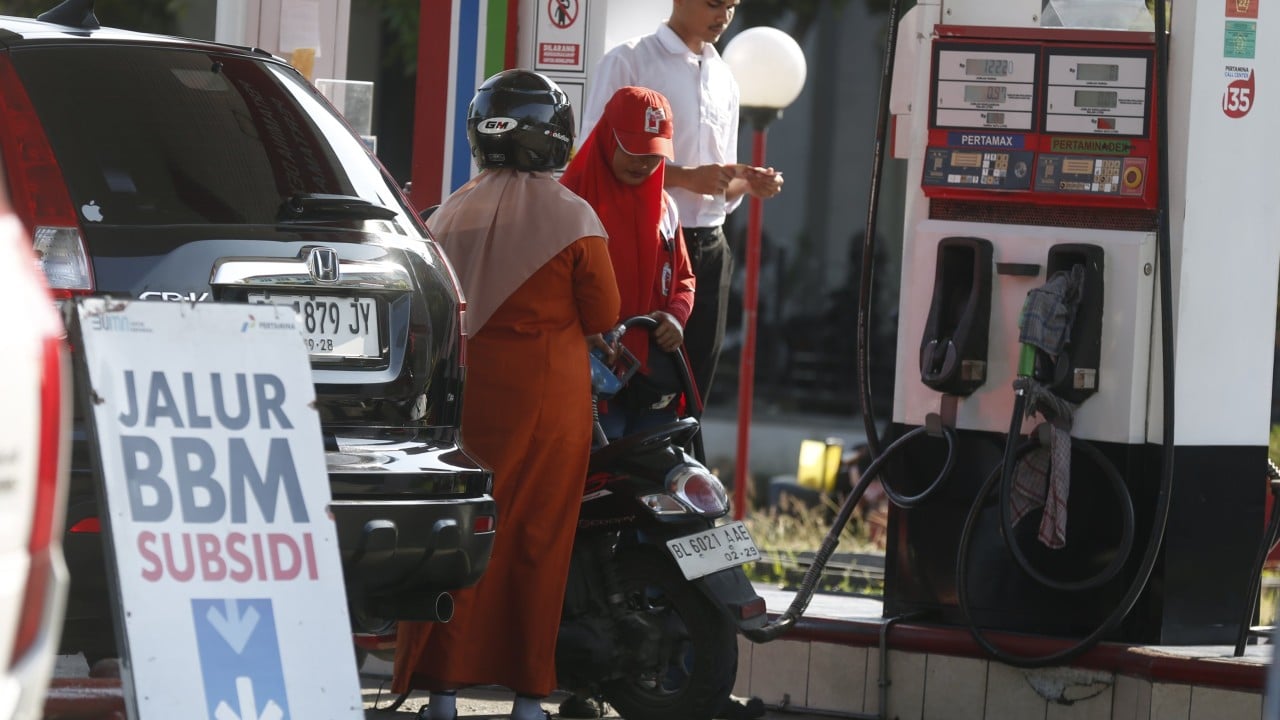
Energy prices have surged as the world realizes that there is no quick resolution to this conflict. The administration has attempted to mitigate this by releasing oil reserves and temporarily easing sanctions on other producers, but these are stopgap measures. They do not address the underlying problem: the reliance on a single, narrow chokepoint that is now contested by two hostile navies.
Major economies in Asia and Europe are watching with growing alarm. They are not interested in the grand geopolitical struggle that Washington envisions. They are interested in predictable access to energy. When the United States asks these nations to join a coalition to secure the strait, the lack of enthusiasm is telling. Allies are not necessarily siding with Iran, but they are clearly unwilling to sign up for a long-term naval engagement that offers no clear benefit to their own interests.
The Failure of Proxy Diplomacy
Pakistan has emerged as the primary mediator, a position that carries immense risks. The negotiations in Islamabad have been characterized by a lack of trust. The Iranian delegation is operating under the belief that the United States is not actually interested in peace, but rather in using the ceasefire to prepare for a more decisive, final blow. This perception is reinforced every time the administration speaks about the need for further military strikes or the inevitability of regime change.
Internal divisions within the Iranian government further complicate these talks. While the foreign ministry speaks of potential concessions, other elements of the security state, including those controlling the missile and naval forces, remain opposed to any deal that looks like a surrender. The White House has struggled to identify a single, reliable point of contact who can speak for all factions. This is why the proposal offered on April 27—to open the strait while delaying nuclear talks—was met with such skepticism in Washington.
The administration views this proposal as a distraction, a way for Iran to gain breathing room while continuing its nuclear research. From the Iranian perspective, it is a pragmatic way to ease the pressure of the naval blockade without sacrificing their core security goals. Both sides are interpreting the other's actions through a lens of deep suspicion. There is no shared understanding of what a "reasonable" outcome looks like, which is why the negotiations remain trapped in a circular pattern.
Domestic Exhaustion and Political Risk
Back in the United States, the mood is shifting. The early public support for the military campaign is dissipating as the conflict enters its third month with no end in sight. Polls indicate a growing desire for the administration to return its focus to domestic issues, specifically inflation and the cost of living, which have been exacerbated by the war.
The administration’s strategy of using foreign policy success to boost domestic standing is encountering the hard reality of limited returns. When the war started, there was an expectation that a quick, decisive action would be popular. As that expectation fades, the political cost of the conflict is rising. The upcoming midterms are looming, and the opposition is increasingly highlighting the disconnect between the administration's claims of a managed conflict and the reality of an expensive, prolonged stalemate.
The administration faces a classic trap of sunk costs. Having committed significant military and political capital to the conflict, it is difficult to back down without appearing to have failed. But continuing the current approach is yielding diminishing returns. There is no clear evidence that more strikes or a tighter blockade will change the fundamental calculation in Tehran.
The Absence of an Exit Strategy
At the heart of the current crisis is the lack of a coherent plan for what follows the war. The rhetoric has focused on destroying Iran's capabilities, but the policy has not addressed the question of what happens if that does not lead to a change in the Iranian government or its behavior. What happens if the current regime survives the conflict, stronger and more determined than before?
The administration’s vision seems to be predicated on the idea that the current Iranian government will inevitably fail, at which point a more favorable alternative will emerge. This is a gamble, not a strategy. It ignores the lessons of the last few decades, which have shown that destabilizing established regional powers rarely leads to the desired democratic outcomes.
The current trajectory is unsustainable. The conflict cannot continue in its present form indefinitely. Either the administration will find a way to pivot toward a diplomatic framework that allows for some level of Iranian face-saving, or the situation will continue to degrade until it forces a much larger, more dangerous escalation. The current period of relative calm, maintained by the ceasefire, is a fragile construction. It depends on both sides believing that something better can be achieved through negotiation.
As of late April 2026, the diplomatic channels are still open, but the distance between the two sides remains wide. The administration is holding out for a total victory, while Tehran is holding out for an end to the blockade without giving up its nuclear ambitions. Both sides are betting that they can endure the current stalemate longer than the other. This is not a path to a solution. It is a path to a more entrenched, more expensive, and more dangerous conflict. The true measure of the administration's competence will not be the intensity of its strikes or the strictness of its blockade, but its ability to recognize when the military options have been exhausted and to start the difficult work of finding a sustainable, if imperfect, political settlement. If that recognition does not come soon, the cost will continue to rise, not just for the region, but for the credibility of the United States. The point of no return is not a distant threat. It is the current reality.