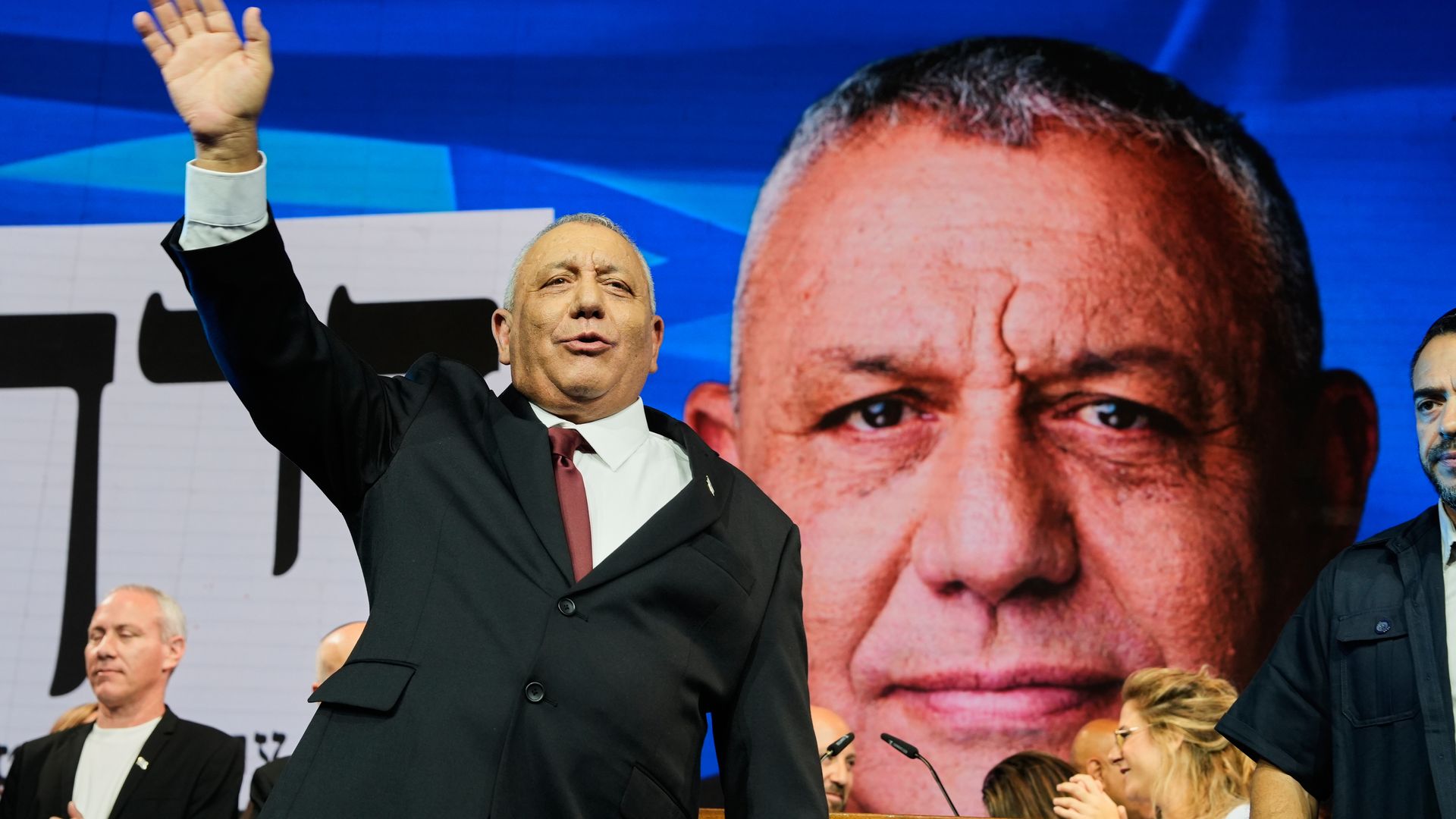
Every week, millions of people test their knowledge with digital news quizzes. But why do we love them? When massive global shifts happen—like groundbreaking election nights filled with historic firsts or legendary athletes walking away from international competition—media outlets rush to package these events into trivia. It is a strange human impulse. We consume heavy, complex world-shaking events, and then we immediately want to grade ourselves on how closely we paid attention.
Let us break down what actually drives this phenomenon. The intersection of politics, sports, and public trivia reveals a lot about how modern news consumption works. You might also find this related story insightful: When Travel Turns Dangerous Abroad The Reality Behind Overseas Violence.
The Psychology of Testing Your News Literacy
You have probably seen them pop up in your feeds on Friday mornings. A 10-question checklist asking you to recall who won a specific legislative seat, which country hosted a diplomatic summit, or which veteran striker hung up their national team jersey.
People like feeling smart. That is the baseline truth. When a news cycle is dominated by high-stakes political shakeups and cultural milestones, the sheer volume of information can feel overwhelming. Taking a structured quiz transforms passive doomscrolling into an active challenge. You stop being a spectator of history and start treating it like a game. As discussed in latest articles by The Washington Post, the effects are significant.
Why Major Electoral Shifts Stick in Our Brains
Elections are inherently dramatic. When an election night features historic firsts—such as unprecedented demographic wins, new legislative majorities, or unexpected policy turns—it creates a narrative arc. Humans are wired for storytelling. We remember the underdog who flipped a long-standing stronghold much better than we remember dry economic indicators.
Quiz creators know this. They anchor their questions around the sharpest narrative hooks. If a political newcomer shatters a century-old barrier, that question becomes the centerpiece of the weekly roundup. It tests whether you grasped the actual magnitude of the shift, not just the raw vote tallies.
The Emotional Weight of a Soccer Legend Exiting the Stage
Politics does not hold a monopoly on our attention spans. When a defining soccer icon steps off the international stage for the final time, it marks the end of an era for millions of fans. Think about the generational players who define decades of global sport. When they bow out after a final tournament or a last qualifying match, the sports world stops.
These moments transition instantly from live broadcasts into trivia fodder. Questions about record goal tallies, final match locations, and tournament stats populate quizzes within hours. Fans participate because acknowledging a legend's departure feels like paying respects. Getting the trivia right is a small badge of honor that says, "I was there. I watched history happen."
How Media Outlets Capitalize on Our Short Attention Spans
Let us be real about the media mechanics behind these quizzes. Newsrooms face a constant battle for retention. Hard investigative pieces take hours to read and days to produce, but engagement rates can slump.
Quizzes bridge the gap. They offer a low-friction way to re-engage tired readers. By gamifying the previous seven days of chaos, publications achieve two things:
- They reinforce brand loyalty by rewarding regular readers.
- They synthesize complex, intimidating news stories into bite-sized, digestible takeaways.
If you missed the nuances of a contentious ballot measure or failed to track a major player's retirement announcement, a well-designed quiz catches you up in under two minutes. It is efficient, fast, and remarkably effective.
Moving Past the Trivia Trap
Trivia is fun, but it has limits. Knowing the name of a politician who broke a glass ceiling or the exact minute a retiring forward scored their final international goal does not automatically mean you understand the broader geopolitical or cultural landscape.
The real trick is using these weekly news tests as a starting point rather than an endpoint. If a quiz question catches you off guard, don't just click the right answer and move on. Dig into the background. Read the underlying policy. Look up why that soccer federation is scrambling to find a replacement striker.
Next time you see a headline recapping a massive political milestone or a sports icon's farewell, take the quiz. But use it to test your curiosity, not just your memory.