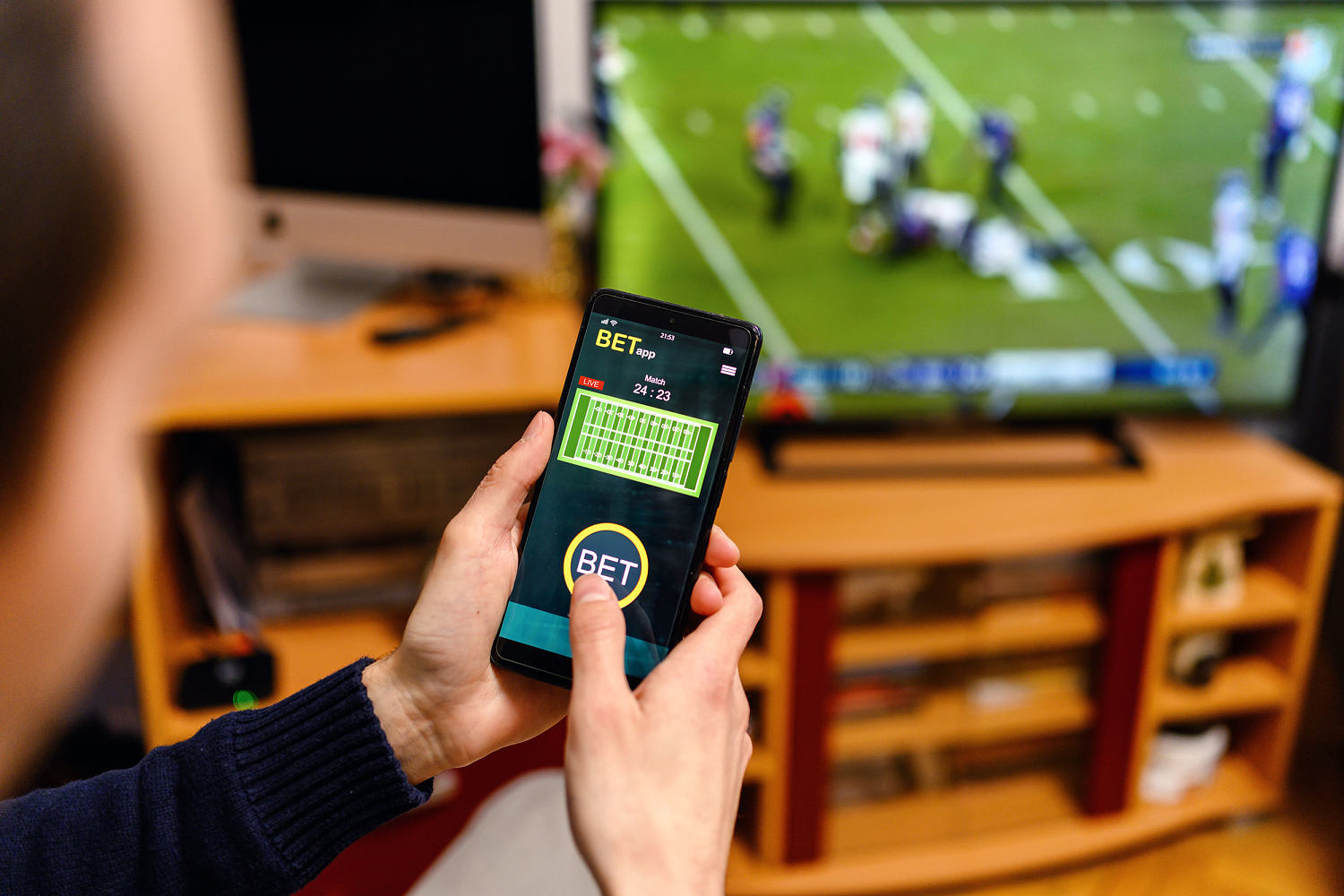
The modern gambling crisis is no longer defined by the solitary figure sitting at a slot machine in a dimly lit casino. Today, the crisis lives in the pockets of millions, disguised as flashing pixels, push notifications, and frictionless digital payment systems. While traditional awareness campaigns focus heavily on individual willpower, the underlying mechanisms of modern betting platforms are engineered to bypass conscious decision-making entirely. The real issue is not a sudden, widespread failure of human self-control. It is the unprecedented sophistication of predatory design choices that turn casual engagement into a compounding psychological trap.
To understand why traditional intervention strategies are failing, we must look closely at how the architecture of digital betting has evolved over the past decade.
The Engineering of Frictionless Loss
Friction is the enemy of consumption. In early digital commerce, every step required to complete a transaction—entering a card number, confirming an address, waiting for a security code—served as a natural speed bump. It gave the human brain a moment to pause and reflect.
Modern gambling applications have systematically eradicated these speed bumps. By integrating one-touch mobile wallets, biometric authentication, and instant deposit features, the physical sensation of spending money is completely removed from the equation. Users do not feel the weight of the currency leaving their possession. Instead, digital balances are reduced to mere numbers on a screen, detached from their real-world value and the labor required to earn them.
This frictionless design creates a state of cognitive dissociation. When a platform allows a user to reload an account in under two seconds with a fingerprint scan, the executive functioning of the brain is effectively bypassed. The financial damage is done before the psychological defense mechanisms can even register the risk.
Micro-Targeting and Predictive Vulnerability
The shift from physical venues to digital applications allowed the betting industry to adopt behavioral tracking tools pioneered by major social media networks. These platforms do not just wait for a user to log in; they actively predict when a user is most vulnerable to making a deposit.
The Data Harvest
Every swipe, tap, time of day, and duration of play is logged and analyzed. If a user typically places a bet after a stressful workday or during a specific sporting event, the platform's algorithms note the pattern.
Automated Intervention
When the algorithm detects a drop in user activity or a period of dormancy, it does not send a generic advertisement. It deploys highly specific, personalized incentives. This could look like a "free" bet tailored to a sport the user frequently follows, delivered via a push notification precisely at the hour they are historically most likely to engage.
This level of targeting creates an unequal playing field. An individual struggling to maintain boundaries is not just fighting their own impulses; they are fighting a highly optimized, automated data infrastructure designed to find and exploit their specific moments of weakness.
The Illusion of Skill in Chance-Based Systems
A particularly damaging evolution in the modern landscape is the deliberate blurring of the line between games of skill and games of pure chance. This is prominent in both sports wagering apps and casino simulators.
By presenting users with massive amounts of data—such as historical statistics, player heat maps, and expert commentary aggregates—platforms encourage the belief that outcomes can be accurately predicted through diligent research. This phenomenon is known as the illusion of control.
When a user believes they possess an informational edge, they are significantly more likely to risk larger sums of money. They attribute their wins to superior intellect and strategy, while dismissing their losses as statistical anomalies or bad luck. In reality, the mathematical edge always remains firmly with the house, regardless of how many data points the user analyzes before placing a wager. The inclusion of complex statistics serves primarily as a psychological justification for high-risk behavior.
Why Current Regulation Fails the Consumer
Public policy and regulatory frameworks have lagged severely behind the technological advancements of the betting industry. Most current protection measures rely on a framework of "responsible gambling," which places the entire burden of harm mitigation onto the individual user.
Tools like voluntary self-exclusion lists, deposit limits, and warning labels are fundamentally inadequate when facing algorithmic optimization.
- Self-Exclusion Loopholes: A user who self-excludes from one platform can frequently open an account with a sister company or a less-regulated offshore alternative within minutes.
- Inadequate Warning Labels: Static text warnings regarding the risks of addiction are easily ignored when placed next to vibrant, dynamic animations celebrating a near-miss or a small payout.
- Voluntary Limits: Setting a deposit limit requires a state of calm, rational reflection. It does not protect a user during moments of intense emotional distress or impulsive decision-making.
By focusing almost exclusively on user behavior rather than platform design, current regulatory models protect the financial interests of operators while offering little more than a superficial safety net for consumers.
Deconstructing the Near-Miss Phenomenon
One of the most potent psychological triggers utilized by modern betting software is the carefully calibrated near-miss. This occurs when an outcome stops just short of a major win, such as two identical symbols aligning on a digital slot machine with the third stopping just a single frame away.
Neurological studies indicate that the brain processes a near-miss not as a loss, but as a highly stimulating event similar to a win. The surge of dopamine encourages the user to believe that success is imminent, prompting them to continue playing immediately.
Digital platforms have perfected the frequency of these near-misses. In physical machines, the occurrence of a near-miss was bound by mechanical constraints. In a digital environment, the frequency can be artificially inflated to maximize user retention and prolong playing sessions, exploiting a hardwired flaw in human pattern recognition.
The Path Toward Meaningful Reform
Addressing a systemic crisis requires structural changes to the digital environments where the harm occurs. Relying on awareness campaigns alone is an outdated approach that ignores the technological realities of the modern industry.
True consumer protection demands a fundamental shift in how these platforms are permitted to operate. Software design choices must be regulated with the same scrutiny as financial products or physical consumer goods.
This means mandating structural friction. Interventions could include enforcing mandatory waiting periods between deposits, banning predictive push notifications that target vulnerable time slots, and requiring platforms to display historical win-loss data in clear, unambiguous financial terms rather than abstract point systems. Until regulation targets the predatory architecture of the software itself, the balance of power will remain entirely skewed against the individual.