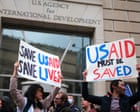
The illusion of self-sustaining health systems across sub-Saharan Africa evaporated almost overnight. When Washington pulled the plug on major foreign aid and dismantled programs like USAID, clinics from Nairobi to Abuja didn't just tighten their belts—they locked their doors. We spent decades treating foreign assistance as a permanent architectural pillar rather than a temporary scaffolding. Now that the scaffolding is gone, the building is cracking.
If you want to understand why medical infrastructure across the continent is buckling under intense pressure, you have to look past the political rhetoric and examine the raw plumbing of local health budgets. For years, international donors footed the bill for up to seventy percent of operational costs in critical sectors like HIV treatment, maternal care, and vaccine distribution. When those funds vanished due to abrupt US policy shifts, local treasuries simply didn't have the liquidity to step in.
The Immediate Shock to Treatment Pipelines
Supply chains don't adapt on short notice. Antiretroviral drugs, contraceptives, and basic antibiotics rely on predictable, heavily subsidized procurement routes. When funding streams froze, shipments stopped.
Clinics that once served hundreds of patients daily found themselves rationing expired stock or turning people away entirely. In countries heavily reliant on external backing, the human cost mounted fast. Studies tracking the initial fallout point to staggering spikes in preventable mortality, particularly among vulnerable populations who had grown dependent on free community health programs.
- Medication rationing: Facilities are forced to split remaining drug doses among patients, drastically cutting treatment efficacy.
- Staff retention crises: Doctors and nurses working in rural clinics are going months without reliable salaries, prompting massive brain drain toward the private sector or overseas.
- Laboratory shutdowns: High-tech diagnostic machines donated by international partners sit idle because local facilities cannot afford proprietary reagents and routine maintenance.
The Myth of Instant Domestic Substitution
Politicians love to talk about national sovereignty and domestic ownership. It sounds great in a press release. But sovereignty doesn't pay for antiretroviral therapy when your national health budget is already crushed by foreign debt servicing.
When international organizations pulled out, international reports—such as recent assessments from global health watchdogs—highlighted a brutal reality. Domestic health expenditure in many low-income African nations cannot scale up fast enough to absorb a fifty percent drop in operating capital. Expecting local ministries to magically replace billions in lost foreign grants within a fiscal year ignores basic fiscal math.
Take maternal health programs in West and Central Africa. Recent economic models show that sudden funding freezes drove up maternal mortality rates by alarming margins in countries already dealing with fragile infrastructure. When a clinic loses its external subsidy, pregnant women lose access to emergency obstetric care. The burden falls squarely on rural families who must pay out-of-pocket for services they previously received for free.
Moving Beyond Aid Dependence
We are witnessing the painful, chaotic birth of a new era. For decades, foreign aid created a double-edged sword. It saved millions of lives, but it also allowed domestic governments to underfund their own health sectors, treating public health as a donor-funded charity project rather than a core state obligation.
The current crisis forces a hard reset. Regional bodies and domestic ministries are finally waking up to the danger of relying on the political whims of a single foreign superpower. Innovators are looking toward local pharmaceutical manufacturing, regional tax reform, and public-private partnerships that do not rely on Washington's goodwill.
Building resilient health systems from the ashes of foreign aid won't happen overnight. It requires ruthless financial transparency, domestic tax collection that actually captures corporate wealth, and a willingness to cut wasteful state spending to prioritize hospitals and clinics. The old model of paternalistic aid is dead. What rises from its ruins will determine the health of an entire generation.


