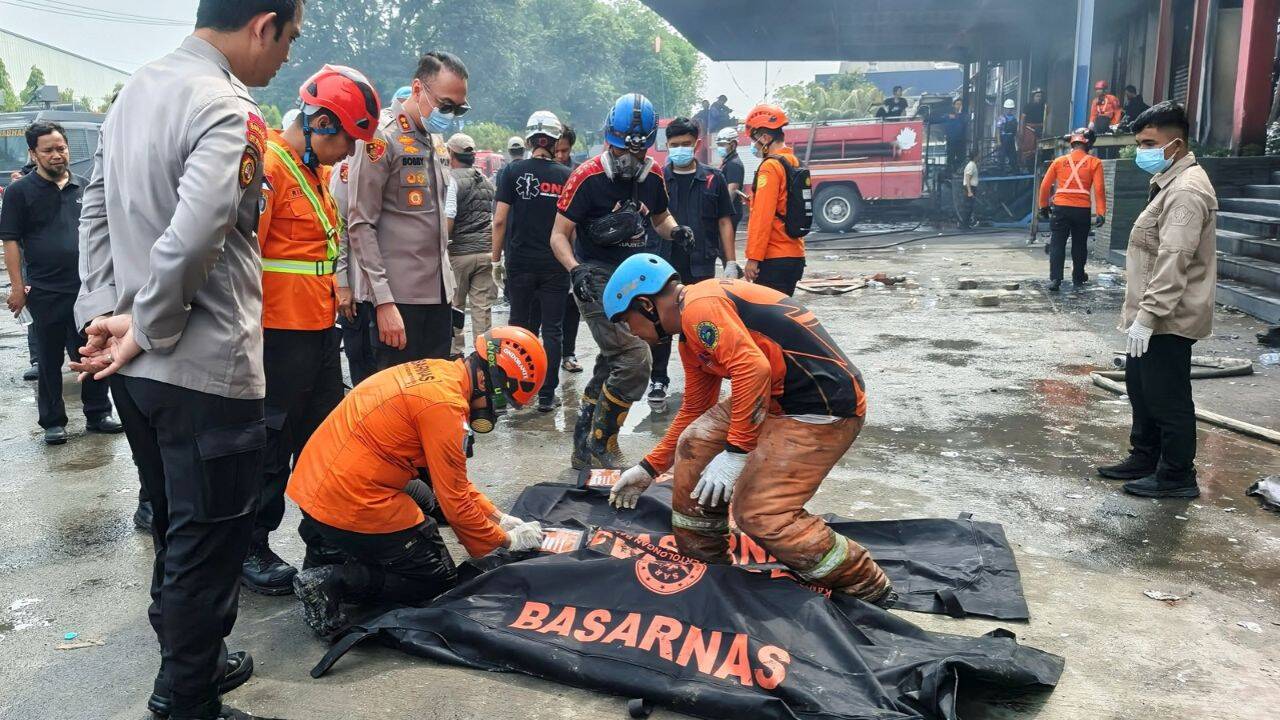
Seven bodies pulled from the ash, and roughly fifty people still missing. When headlines like that hit the wire, most people read the numbers, feel a quick pang of sadness, and scroll right past.
I've spent years studying industrial safety failures and emergency response protocols, and those numbers tell a much darker, more specific story than a standard news brief ever admits. A factory fire where seven victims are recovered early while dozens remain unaccounted for isn't just a random accident. It's almost always the result of structural collapse, locked or blocked exits, and hazardous materials burning at temperatures that halt rescue crews in their tracks. For a deeper dive into this area, we recommend: this related article.
You can't understand the human toll of a major industrial blaze without looking at why recovery takes so long and why worker counts are notoriously messy in the first 48 hours.
Why Unaccounted Worker Numbers Shift So Dramatically
Right after a massive factory fire, chaos rules the perimeter. Local officials throw out an initial estimate—say, 50 workers missing—and families panic outside the caution tape. To get more context on this development, in-depth analysis is available on NPR.
Here's the brutal reality of shift-based manufacturing. Many facilities in developing industrial hubs rely on subcontracted day laborers, split shifts, and paper attendance logs that burn up in the first ten minutes of the fire. If the timecards turn to ash, management literally doesn't know who clocked in that morning.
Sometimes, workers survive and run straight home without checking in at a triage tent because they're terrified of losing their jobs or drawing attention from labor inspectors. Other times, the missing count is tragically accurate, and those fifty people were trapped behind a collapsed mezzanine or a locked fire door.
Emergency managers call this the reconciliation phase. Cross-referencing payroll records, mobile phone pings, and family reports takes days. During that window, the gap between confirmed fatalities—like the seven bodies initially recovered—and the missing list creates an agonizing limbo for everyone waiting at the gates.
What Actually Kills People in an Industrial Blaze
Most people assume fire victims die from burns. They don't.
In almost every major factory fire, smoke inhalation and toxic gas poisoning do the lethal work long before flames reach the victims. Modern manufacturing plants are packed with synthetic polymers, adhesives, packaging plastics, and industrial solvents. When those ignite, they don't produce regular wood smoke. They pump out thick black clouds loaded with hydrogen cyanide, carbon monoxide, and phosgene.
Two breaths of superheated toxic smoke will drop a grown adult where they stand.
Then comes structural failure. Steel beams lose roughly half their load-bearing strength once temperatures hit 1,100 degrees Fahrenheit. In an uninsulated warehouse or an illegally expanded factory floor, roof trusses warp and cave in within twenty minutes. That's why rescue teams often recover a handful of bodies near the perimeter exits early on, while dozens of others remain buried under twisted metal and collapsed concrete slabs in the core of the building.
The Anatomy of a Delayed Search and Rescue Operation
You might wonder why firefighters don't just rush inside to pull those 50 missing workers out. The truth is, sending crews into an unstable, actively smoldering industrial shell is a suicide mission.
Search and rescue teams operate under strict structural safety rules. Before heavy urban search units can enter a collapsed factory zone, they have to wait for:
- Thermal stabilization. Stored chemicals, textiles, or bulk plastics can smolder beneath rubble for days, flaring back up the second fresh oxygen hits a pocket.
- Structural shoring. Engineers have to assess whether remaining walls will topple onto rescuers digging through debris.
- Hazardous material clearance. Burned factories frequently leak ammonia, sulfuric acid, or fuel oil into the flooded basement levels where firefighters have to wade.
It's agonizing to watch from the outside. Families see trucks parked and crews standing back, assuming nobody is trying hard enough. In reality, dragging heavy hydraulic cutters and thermal imaging cameras over unstable steel rubble takes excruciatingly slow, methodical work.
Common Fire Code Failures That Turn Workplaces Into Traps
Look at the history of catastrophic industrial fires—from the 2012 Tazreen Fashions fire in Bangladesh to the 2021 Rupganj food factory disaster, or major chemical plant blasts across Asia and North America—and the exact same patterns keep showing up. Honestly, it's infuriating because none of these failures are mysterious.
Locked or Obstructed Exit Routes
Factory managers frequently lock exterior stairwell doors to prevent inventory theft during shifts. When a fire breaks out on the ground floor, smoke rushes up the open stairwells like a chimney. Workers run to the roof or the back exits, hit a padlocked steel gate, and have nowhere left to go.
Illegal Mezzanines and Unpermitted Storage
A building permitted for light assembly gets quietly converted into a high-density storage facility. Management builds makeshift wooden or light-steel mezzanines to hold extra raw materials. Those additions aren't hooked into sprinkler grids, they block natural ventilation, and they collapse first when fire weakens the supports.
Missing or Dry Sprinkler Systems
Plenty of factories install fire hydrants and sprinkler heads just to pass an annual municipal inspection, then shut off the main water valve to avoid accidental water damage to expensive machinery or fabric rolls. A dry sprinkler pipe is just expensive ceiling decoration.
How Global Supply Chains Hide Behind Subcontractors
When a factory fire leaves seven dead and fifty missing, big brands and corporate buyers immediately release statements claiming they had no idea conditions were unsafe. Sometimes that's legally true, even if it's morally bankrupt.
Tier-one suppliers often outsource overflow orders to unregistered, poorly maintained sub-factories without telling their Western or multinational clients. These shadow facilities cut every corner possible to hit tight delivery deadlines and razor-thin margins. Fire extinguishers sit expired on the floor. Electrical wiring runs exposed over flammable packaging. Emergency lighting doesn't exist.
Organizations like the International Labour Organization (ILO) and the National Fire Protection Association (NFPA) have spent decades publishing clear, actionable industrial fire safety standards. The engineering solutions already exist. Fire-rated doors, automated smoke vents, compartmentalized chemical storage, and regular unannounced evacuation drills save lives every single week in facilities that actually enforce them.
The problem isn't a lack of technology or safety codes. It's enforcement, corruption, and the willingness to gamble workers' lives to save a few thousand dollars on compliance.
What Workers and Safety Advocates Can Do Right Now
You don't have to be a certified fire marshal to spot a workplace death trap. Whether you work on a factory floor, manage an industrial facility, or audit supply chains, basic awareness changes outcomes.
- Check exit paths every single shift. Walk the secondary exits yourself. If a door requires a key, a badge swipe that fails during power outages, or moving stacked pallets out of the way, it isn't an exit—it's a wall.
- Watch how chemicals and flammables are stored. Solvents, fuels, and packaging materials belong in ventilated, fire-rated cabinets or separate storage bays, never stacked next to electrical panels or welding stations.
- Demand unannounced evacuation drills. A drill everyone knows about in advance proves nothing. Real readiness means timing how fast a full shift can clear the building when a primary stairwell is blocked off.
- Verify water pressure on fire suppression lines. Facility managers should log weekly valve inspections and pressure gauge readings rather than trusting an annual third-party certificate.
Every single fatality in a preventable industrial fire starts with a hazard someone walked past and ignored the week before. Pay attention to the exits, document blocked corridors or missing safety gear immediately, and refuse to treat basic fire compliance as optional paperwork.