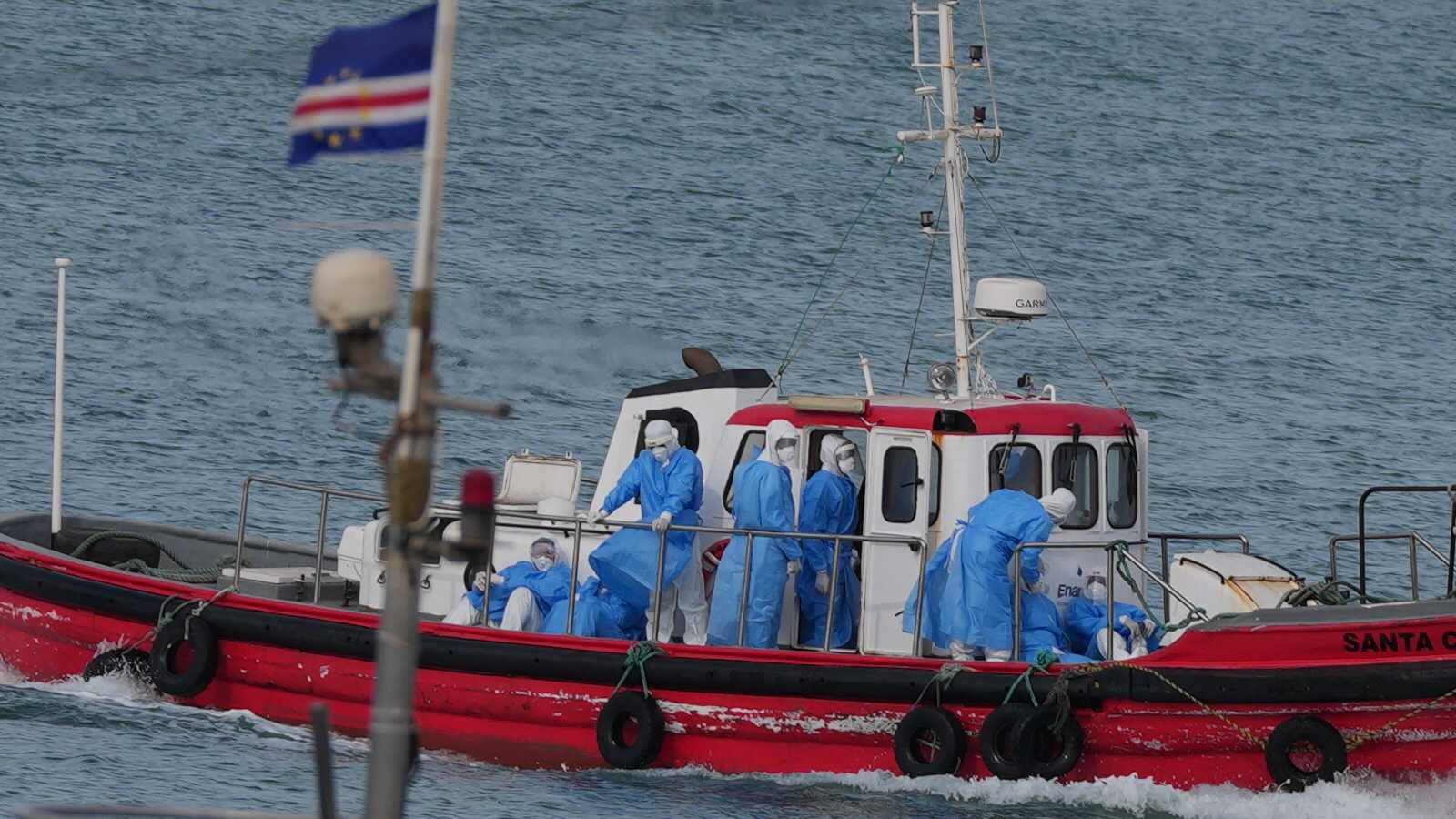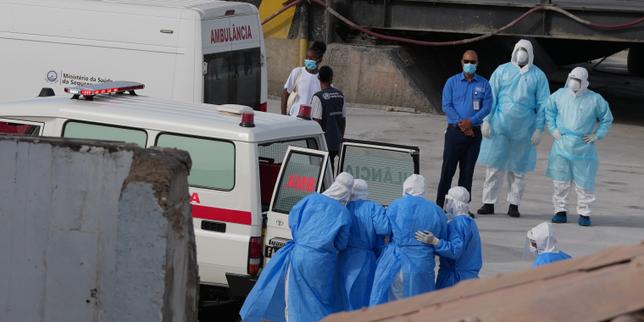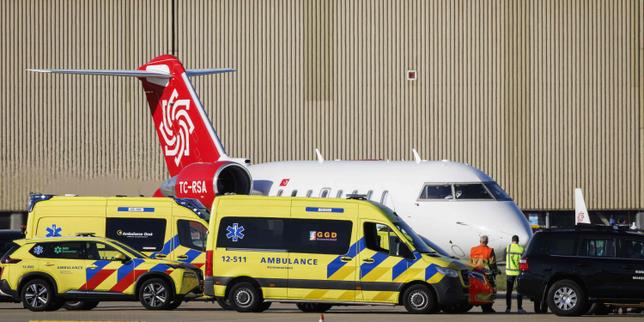
Dozens of passengers fled a cruise ship because of a single hantavirus fatality. The headlines are screaming. The comment sections are a dumpster fire of "prayers" and demands for massive lawsuits. But if you are one of the people who packed your bags and hopped a flight home from the first port of call, you didn't escape a virus. You escaped logic. You traded a controlled environment for the chaotic, unmonitored petri dish of a commercial airliner, all because you don't understand how rodents or viruses actually work.
The media loves a "plague ship" narrative. It's easy. It's visceral. It evokes the Middle Ages. But the consensus that this was a "narrow escape" for the fleeing passengers is a flat-out lie.
The Biological Reality You’re Ignoring
Hantavirus is not the flu. It is not COVID-19. It does not hang in the air waiting for you to walk through a sneeze cloud in the buffet line. To catch the specific strains that cause Hantavirus Pulmonary Syndrome (HPS), you generally need to inhale aerosolized droppings, urine, or saliva from infected rodents—specifically deer mice, white-footed mice, or rice rats.
Here is the kicker: It does not spread from person to person.
Outside of a single, rare strain in South America (Andes virus), there is zero evidence that you can catch this from the guy sitting next to you at the blackjack table. By fleeing the ship, these passengers weren't stopping an outbreak; they were running away from a ghost. If the ship has a rodent problem, that is a sanitation failure, absolutely. But it is a localized environmental hazard, not a communicable wildfire.
Why the "Mass Exit" Was a Statistical Blunder
Let’s look at the math of fear. The moment these passengers stepped off that "death ship" and into an airport, their statistical risk of contracting a life-threatening respiratory infection actually spiked.
- Airports are the real reservoirs. Unlike a cruise ship, which is subject to rigorous Vessel Sanitation Program (VSP) inspections by the CDC, the average international airport terminal is a revolving door of global pathogens.
- The Uber factor. Every surface touched, every shared air space in a taxi or a terminal, exposes you to high-transmission viruses like Influenza A or the latest Omicron subvariant.
- The Stress Tax. Extreme cortisol spikes from "panic fleeing" suppress the immune system. You are literally making yourself more susceptible to getting sick because you’re terrified of a virus you can’t even catch from another human.
I have spent two decades analyzing risk in high-density environments. I have seen cruise lines spend six figures on deep-cleaning protocols for a single Norovirus outbreak. The irony is that a ship under a "hantavirus watch" is likely the cleanest place on earth for those 48 hours. The crew is scrubbing baseboards with bleach solutions that would peel paint. The "fleeing" passengers left the most sanitized environment they will encounter all year to go sit in a cramped middle seat on a Boeing 737.
The Myth of the "Infested" Luxury Liner
The lazy argument is that a hantavirus case proves the ship is a "floating sewer." Wrong.
Rodents are hitchhikers. They enter through palletized cargo, dry stores, or even passenger luggage. One infected mouse in a dry-storage locker in the bowels of the ship does not constitute an "infestation" of the passenger decks.
If you want to talk about real danger, let's talk about the lack of basic health literacy. The fatality on board was a tragedy, but it was an isolated exposure event. When the media frames it as a "stricken ship," they are implying the vessel itself is a biological weapon. It isn't. It’s a building that floats. If a mouse dies in the walls of a Marriott and one person gets sick, we don't evacuate the entire city block. We find the mouse.
The Industry’s Dirty Secret: We Want You to Panic
Why didn't the cruise line fight harder to keep people on board? Because "panic exits" are great for the bottom line in the long run. It allows the legal department to claim they offered "voluntary debarkation" to mitigate distress. It shifts the liability. If you choose to leave, you are often waiving your right to certain types of compensatory damages because you "acted out of an abundance of caution" rather than being forced out by a proven threat.
Stop Asking if the Ship is Safe
People are asking the wrong question. They ask, "Is the ship safe?" The answer is always: Compared to what?
Is it safer than your local grocery store? Yes. Is it safer than the subway? Yes. Is it safer than your own basement, where you probably haven't checked for mouse droppings since 2022? Probably.
The "consensus" view is that a hantavirus death is a signal to run. The "insider" truth is that a hantavirus death is a signal to stay put, let the professionals finish the localized disinfection, and enjoy the fact that the ship is now the least crowded it will ever be.
The Anatomy of a Hyperbolic Headline
The competitor’s piece focused on the "dozens" who left. They didn't focus on the thousands who stayed and didn't get sick. Why? Because "3,000 People Continue to Have a Great Time at Sea" doesn't get clicks.
- Logic Gap 1: Treating Hantavirus like a contagion.
- Logic Gap 2: Ignoring the source. (If the victim worked in the engine room or a deep-storage locker, the risk to a passenger in a balcony suite is essentially zero).
- Logic Gap 3: Valuing the "feeling" of safety over the "fact" of safety.
I’ve worked with environmental health officers who laugh at these news cycles. They see the data. They know that the Norovirus you catch from the guy who didn't wash his hands after using the tongs at the salad bar is a much bigger threat to your vacation than a rare, non-communicable rodent virus. But "Man Gets Diarrhea" isn't a breaking news banner.
The Actionable Reality
If you find yourself on a ship with a reported hantavirus case, here is what you actually do:
- Stay out of the bilges. Unless you’re the Chief Engineer, you have no business in the areas where rodents hide.
- Keep your cabin clean. Don’t leave food out. This is basic life advice, not just "cruise" advice.
- Wash your hands. Not because of hantavirus, but because the person who just touched the elevator button has a cold.
- Demand a credit. Don't demand a flight home. Use the situation to negotiate a massive discount on your next cruise while everyone else is busy clogging up the customer service line with irrational demands.
The passengers who left didn't save their lives. They just paid $1,200 for a last-minute flight and lost their vacation because they couldn't tell the difference between a rodent-borne illness and a Hollywood movie plot.
Quit being a victim of bad science and worse journalism. The ship isn't the problem. Your inability to assess risk is.
Go back to the pool. The mice aren't swimming.