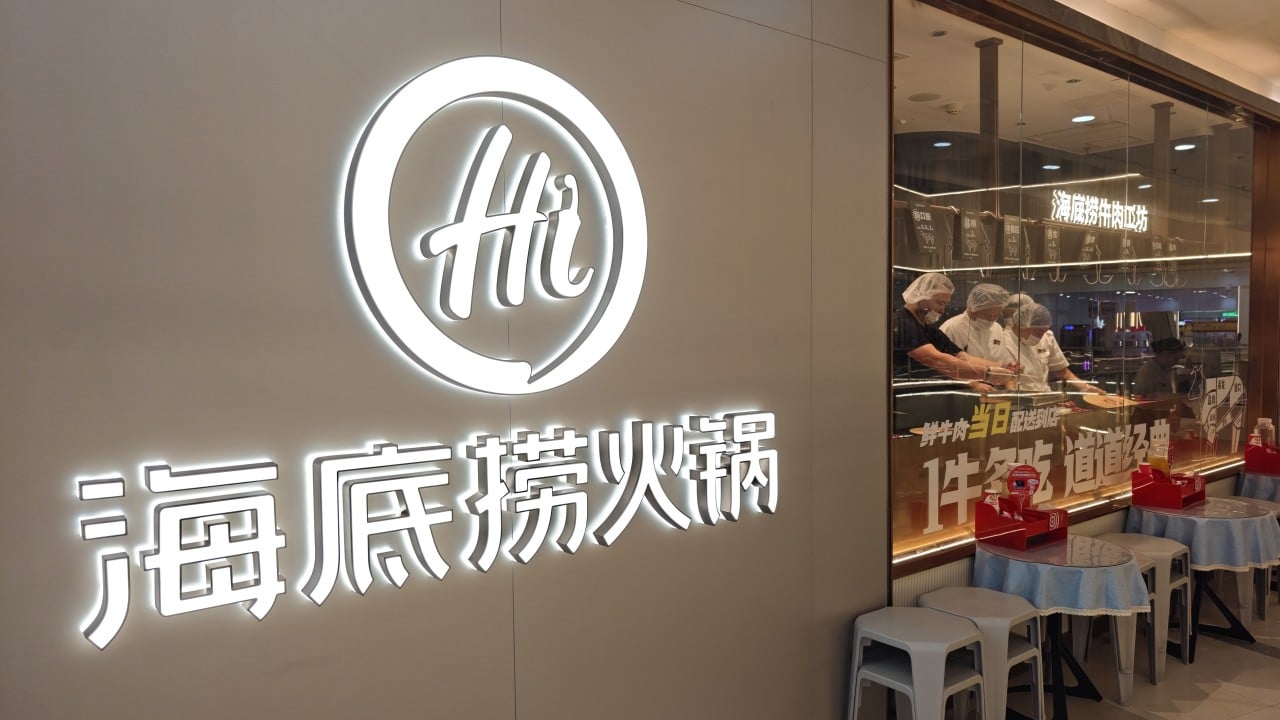
Domestic hot pot growth in China has cooled down drastically. Massive chains are forced to look elsewhere to keep their revenue lines climbing. Instead of just opening more traditional dining rooms, Haidilao is making a surprising pivot. They are testing a brand-new burger chain called Huanxian Burger, taking direct aim at the dominant American fast-food giants controlling the market.
You might wonder why a legendary hot pot titan wants to flip patties. The answer comes down to changing consumer habits and intense domestic saturation. Chinese diners are tightening their wallets. They still want convenience, but they want value. Traditional sit-down hot pot meals take time and money. Quick-service Western food offers a completely different economic model.
Moving Beyond the Boiling Broth
Haidilao built its empire on theatrical customer service. Think free manicures while waiting, noodle-pulling performances at the table, and endless attention. That playbook worked wonders during China's restaurant boom. But the market changed. Margins tightened. Growth slowed down across major Chinese urban centers.
Entering the burger business looks like a sharp departure. Yet, it actually solves a massive operational challenge. Fast-food restaurants require smaller footprints, fewer front-of-house staff, and faster table turnover. By launching Huanxian Burger with its first trial store in Wuhan, Haidilao is testing whether its famous supply chain can power a low-ticket, high-volume fast-food concept.
Taking on American Giants on Home Turf
Foreign burger chains like McDonald's and KFC have spent decades dominating China's fast-food space. They understand local tastes, having long ago added items like congee, egg tarts, and spicy chicken burgers to their menus.
Haidilao isn't trying to beat them by copying their exact American formulas. Localized burger brands usually win by injecting regional flavors into the buns. Think Sichuan-inspired sauces, local spice profiles, and ingredients that resonate with younger domestic diners. Haidilao brings deep institutional knowledge of local supply chains. They know how to source ingredients efficiently across China. That capability is half the battle when trying to scale a fast-food chain from scratch.
What This Means for the Restaurant Industry
Investors are watching this pivot closely. When legacy sit-down brands dive into quick-service categories, it signals a broader shift in consumer behavior. People want fast, casual, and cheap. Traditional dining is losing ground to high-efficiency formats.
If Huanxian Burger succeeds, expect other traditional restaurant giants in China to spin off their own fast-food concepts. Brands cannot rely on a single format anymore. Diversification is the only way to survive a maturing consumer market. Haidilao is betting that a hot pot giant can successfully master the art of the burger. Time will tell if local consumers bite.


.png?width=1200&auto=webp&trim=0%2C0%2C0%2C0)