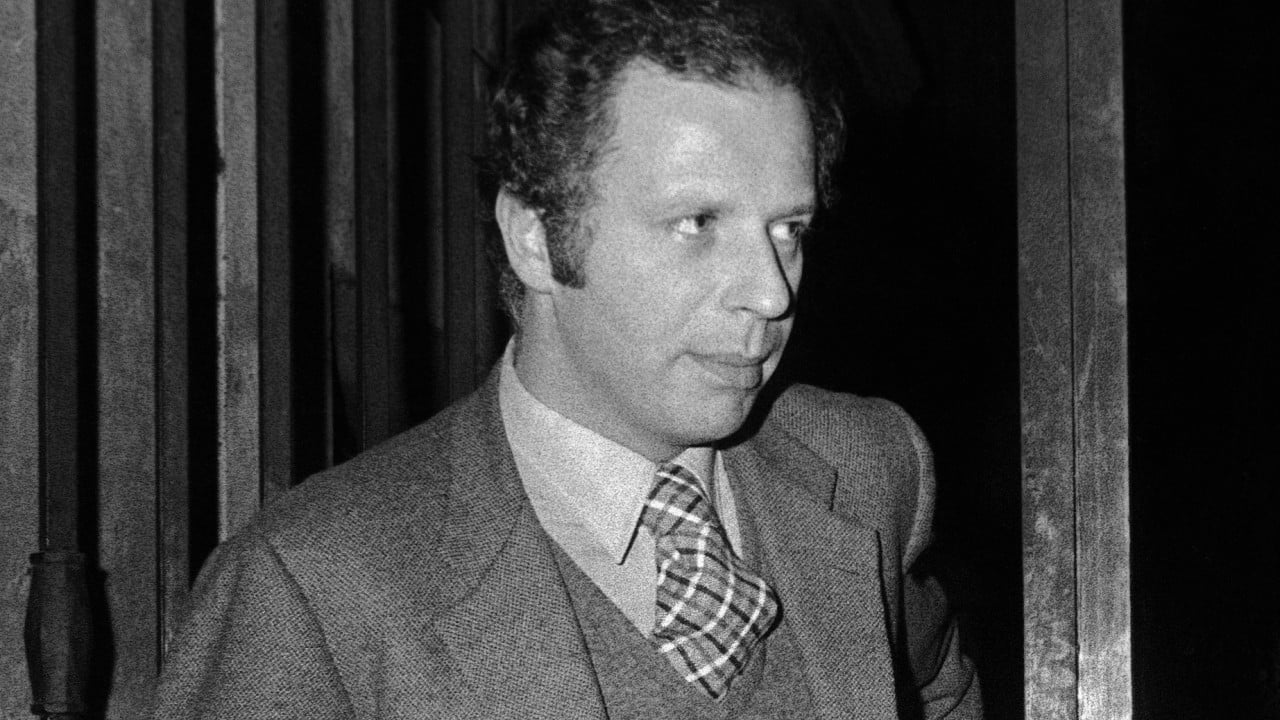
A 27-year-old man faces attempted murder charges following a knife attack on a Bradford councillor that left the local representative hospitalized with serious injuries. The incident occurred during routine constituency work, highlighting a sharp escalation in physical threats directed at municipal leaders across the United Kingdom. Law enforcement officers arrested the suspect at the scene, securing the weapon and initiating high-priority forensic investigations. The victim remains in stable condition after receiving emergency surgical intervention, while council operations in the precinct have transitioned to heightened security protocols.
Physical assaults against public officials represent a critical fracture point in democratic governance. When local representatives cannot meet residents without bodyguards, the fundamental feedback loop between communities and their government breaks down completely.
The Reality of Frontline Political Violence
Constituency surgeries were built on an open-door policy. A resident walks in, sits down across a desk, and explains a problem regarding housing, waste management, or local planning. That direct access is now a primary point of vulnerability.
The mechanics of local representation require visibility. Unlike national politicians who operate behind perimeter fencing, armed guards, and vetted security corridors, municipal councillors work in neighborhood centers, libraries, and church halls. They publish their schedules. They announce their locations.
Recent years show a steady shift from verbal abuse to targeted physical violence. Stalking cases involving local representatives have climbed sharply, accompanied by a rise in property damage and direct physical intimidation.
Security audits conducted across local authorities reveal stark gaps in basic safety measures:
- Unvetting of Visitors: Surgeries operate predominantly on a walk-in basis without background verification or metal detection.
- Isolated Venues: Many meetings take place in multi-use community buildings lacking quick-egress routes or dedicated security personnel.
- Lone Working Conditions: Councillors frequently handle evening consultations alone or with a single staff member, delaying emergency response times when incidents occur.
The Escalation Spiral from Online Harassment to Physical Attack
Threats rarely begin with a knife blade. They start in comment sections, uncensored forum threads, and targeted email campaigns.
The pathway from digital hostility to real-world harm follows a consistent pattern. Chronic exposure to extreme rhetoric dehumanizes public servants, recasting local policy decisions as existential conflicts. When a planning dispute or housing allocation gets framed as a malicious act, volatile individuals feel justified in taking direct action.
Police forces struggle to monitor the volume of threats directed at local representatives. Intelligence gathering at the municipal level remains underfunded, leaving officers to react after an attack occurs rather than intercepting dangerous actors during the planning phase.
Threat assessments are rarely conducted for local councillors until an explicit, actionable warning surfaces. By then, the risk horizon has already narrowed significantly.
Security Failures in Public Infrastructure
Local council facilities were designed for civic engagement, not defensive operations. Retrofitting these spaces poses logistical and financial challenges that many local authorities simply cannot afford.
Installing panic buttons, hiring private security details, and deploying mobile screening units require sustained funding. In an era of tight municipal budgets, spending capital on councillor protection often draws fierce public criticism, creating a political disincentive for leaders to protect themselves.
Security measures implemented after high-profile attacks often amount to reactionary fixes rather than comprehensive protection strategies.
+-------------------------------------------------------------------+
|                  VULNERABILITY ASSESSMENT SPECTRUM                 |
+-------------------------------------------------------------------+
|  LOW RISK                           HIGH RISK                     |
|  Controlled Access  --->  Public Venues  --->  Unvetted Walk-ins   |
|  (Town Halls)             (Libraries)          (Community Centers)|
+-------------------------------------------------------------------+
Rebuilding Safety Without Closing the Door
Protecting public servants without severing their connection to local communities requires a fundamental redesign of how local democracy operates.
First, local authorities must eliminate single-worker environments for all public-facing engagements. Paired working protocols ensure that an additional team member is available to monitor surroundings, manage disruptive visitors, and trigger emergency response systems instantly.
Second, municipal bodies must establish direct liaison channels with regional police forces. Dedicated threat-reporting points contact law enforcement immediately when harassment escalates, allowing officers to build intelligence profiles before physical contact occurs.
Third, hybrid consultation models must be expanded. Offering secure digital appointments alongside structured, vetted in-person sessions reduces unnecessary exposure while preserving direct lines of communication for residents who need them most.
Security cannot remain an afterthought reserved for national figures while municipal representatives remain exposed on the front lines of public service. When a councillor is stabbed on home ground, the threat extends beyond the individual to the stability of local civic life itself.