Hong Kong car owners are finally getting what they asked for, but the reality of the expanded "Northbound Travel for Hong Kong Vehicles" and the reciprocal Macau entry schemes is less about weekend road trips and more about a desperate push for regional integration. Under the latest quota expansions, thousands more private drivers can now bypass the ferry terminals and cross the world’s longest sea-crossing bridge in their own vehicles. It sounds like a victory for mobility. However, the move highlights a significant shift in how the Greater Bay Area (GBA) functions, moving away from high-efficiency mass transit toward a car-centric model that the bridge was originally designed to avoid.
The expansion isn’t just a policy tweak. It is a response to the staggering underutilization of the Hong Kong-Zhuhai-Macau Bridge (HZMB), a $18.8 billion engineering marvel that has spent much of its life as a quiet, concrete ribbon. By relaxing the stringent requirements for private car permits—which previously required high levels of investment or political connections in mainland China—authorities are attempting to force-feed traffic into a system that has struggled to justify its price tag.
The Friction of Integration
Crossing the bridge in a private car is not as simple as driving from Manhattan to New Jersey. The logistical hurdles remain a significant deterrent for many, despite the increased quotas. A driver must navigate three separate legal jurisdictions, three distinct insurance requirements, and two different sets of driving rules.
In Hong Kong and Macau, we drive on the left. In Zhuhai, you move to the right the moment you clear the bridge’s clever "flipper" interchanges. This physical transition is a metaphor for the entire project. While the bridge physically connects these cities, the regulatory friction remains thick. Drivers must apply for multiple permits, undergo vehicle inspections, and ensure their insurance coverage satisfies the specific mandates of each territory.
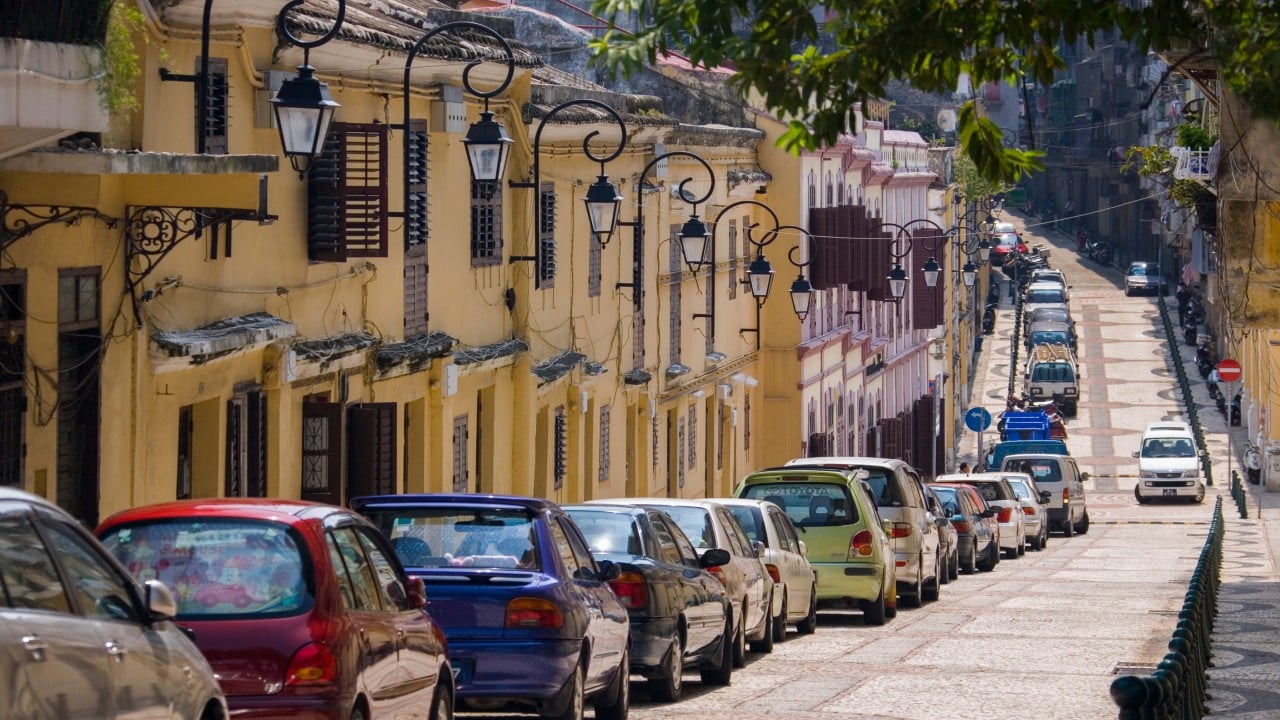
For the average Hong Kong resident, the cost of this convenience is high. Beyond the bridge tolls, which sit at 150 yuan per trip for private cars, there are the hidden costs of time. The application process for the "Northbound" scheme involves a lottery system because demand, while fluctuating, still outstrips the daily processing capacity of the inspection centers. If you win the lottery, you then face the reality of Macau’s narrow, congested streets. Macau is a city designed for pedestrians and scooters, not an influx of Hong Kong SUVs.
Why the Ferry Industry is Shuddering
The expansion of car travel is a direct threat to the traditional high-speed ferry operators like TurboJET and Cotai Water Jet. These companies were once the lifeblood of the Hong Kong-Macau corridor. Now, they are watching their most profitable demographic—the high-spending, flexible traveler—literally drive away.
The numbers tell a grim story for the maritime sector. Before the bridge opened, the ferry was the only game in town. Now, with the ease of the "bridge bus" and the rising number of private car permits, ferry frequencies have failed to return to pre-2019 levels. The shift to private car travel creates a feedback loop. As more people drive, ferry demand drops. As ferry demand drops, operators cut sailings. When sailings are sparse, even more people choose to drive or take the bus. This erosion of public transport options is a classic unintended consequence of infrastructure projects that prioritize private vehicle access over mass transit efficiency.
The Macau Congestion Paradox
Macau is one of the most densely populated places on earth. Its infrastructure is already screaming under the weight of its own success as a gambling and tourism hub. By inviting more Hong Kong cars to enter, the local government is playing a dangerous game with urban planning.
The current scheme for Hong Kong cars entering Macau usually requires the vehicle to be parked at a massive logistics heap at the edge of the city, known as the HZMB Macau Port Park-and-Ride. Drivers then take public transport into the city center. This begs the question: if you have to park your car at the border and take a bus anyway, why bother driving the 55 kilometers across the sea?
The answer lies in the psychological shift toward "one-hour living circles." The government wants residents to view the GBA as a single contiguous space. The car is the ultimate symbol of that freedom. Even if the actual experience involves traffic jams and permit paperwork, the ability to put your luggage in your own trunk and leave on your own schedule is a powerful motivator that the ferry cannot match.
Economic Leakage or Growth
There is a growing concern among Hong Kong retailers that this increased connectivity is a one-way valve for capital. For decades, mainland and Macau residents came to Hong Kong to spend. Now, the flow has reversed. On any given weekend, thousands of Hong Kongers are driving north or west to find cheaper dining, cheaper groceries, and more space.
The "Northbound" scheme and the Macau expansion are effectively subsidizing the outflow of Hong Kong's domestic consumption. When it becomes easier to drive to a warehouse club in Zhuhai or a luxury resort in Macau than it is to find parking in Causeway Bay, the local economy feels the pinch. We are witnessing the hollowing out of local retail as the physical barriers that once protected Hong Kong’s internal market are dismantled by the very infrastructure meant to save it.
The Reality of the "Dual-Plate" Prestige
For years, the "dual-plate" (black and pink/yellow) was the ultimate status symbol in the Pearl River Delta. It signaled that you were a person of influence with a business that bridged the borders. The new travel schemes have effectively democratized the border crossing, but they have also diluted that prestige.
The original permit holders, who paid millions of HKD in the secondary market for these licenses, are now seeing their investments evaporate. While the new schemes do not allow for the same level of freedom as a permanent dual-plate license—such as the ability to stay in the mainland indefinitely or use different ports—the gap is closing. This democratization is necessary for the GBA's long-term survival, but it creates a messy transition for those who built their business models on the exclusivity of the old system.
Safety and the Left-Right Divide
The most overlooked factor in this expansion is the safety of the inexperienced cross-border driver. Driving on the opposite side of the road is not just a mental exercise; it is a matter of muscle memory. The HZMB is a controlled environment, but once a Hong Kong driver exits the bridge into the chaotic traffic of a mainland city or the tight alleys of Macau, the risk profile changes.
Insurance companies have been slow to adjust. The "One Policy, Three Places" initiative is an attempt to streamline this, but the premiums reflect the high risk of cross-border accidents. A minor fender-bender in a foreign jurisdiction becomes a legal nightmare involving different police forces and liability standards. As the volume of cars increases, the number of these incidents will inevitably rise, testing the limits of the legal cooperation agreements currently in place.
The Infrastructure Deadlock
We have built the hardware—the bridges, the tunnels, the artificial islands—but the software is still lagging. The software, in this case, is the unified customs and immigration process. The "co-location" arrangements seen at the Express Rail Link are the gold standard, but for private cars on the HZMB, the process is still fragmented.
Each vehicle must stop, clear Hong Kong customs, drive across the span, and then clear Macau or Zhuhai customs. On a busy holiday, the bridge becomes a very expensive parking lot. Expanding the number of cars without a radical redesign of the border checkpoints is a recipe for frustration. The bottleneck isn't the number of lanes on the bridge; it is the number of booths at the gate.
The Future of the GBA Commute
The expansion of travel schemes for Hong Kong cars is a clear signal that the physical borders are becoming more porous, but it also reveals a lack of a cohesive regional transport strategy. We are incentivizing private car use at a time when global cities are trying to move in the opposite direction.
If the goal is truly to create a seamless economic zone, the focus should be on the integration of the "octopus" style payment systems across all cities and the simplification of the permit process into a single digital identity. Until then, driving to Macau or Zhuhai remains a luxury for those with the patience for bureaucracy and the stomach for bridge tolls.
The HZMB was built for a future that hasn't quite arrived yet. By flooding it with private cars, the authorities are trying to force that future into existence. Whether the narrow streets of Macau or the retail districts of Hong Kong can survive that future is a question no one seems ready to answer.
Investors and residents alike must recognize that these bridges are more than just roads; they are the tools of a massive demographic and economic realignment. The car in your driveway is now a part of that strategy. Make sure you understand the cost of the fuel before you start the engine.


