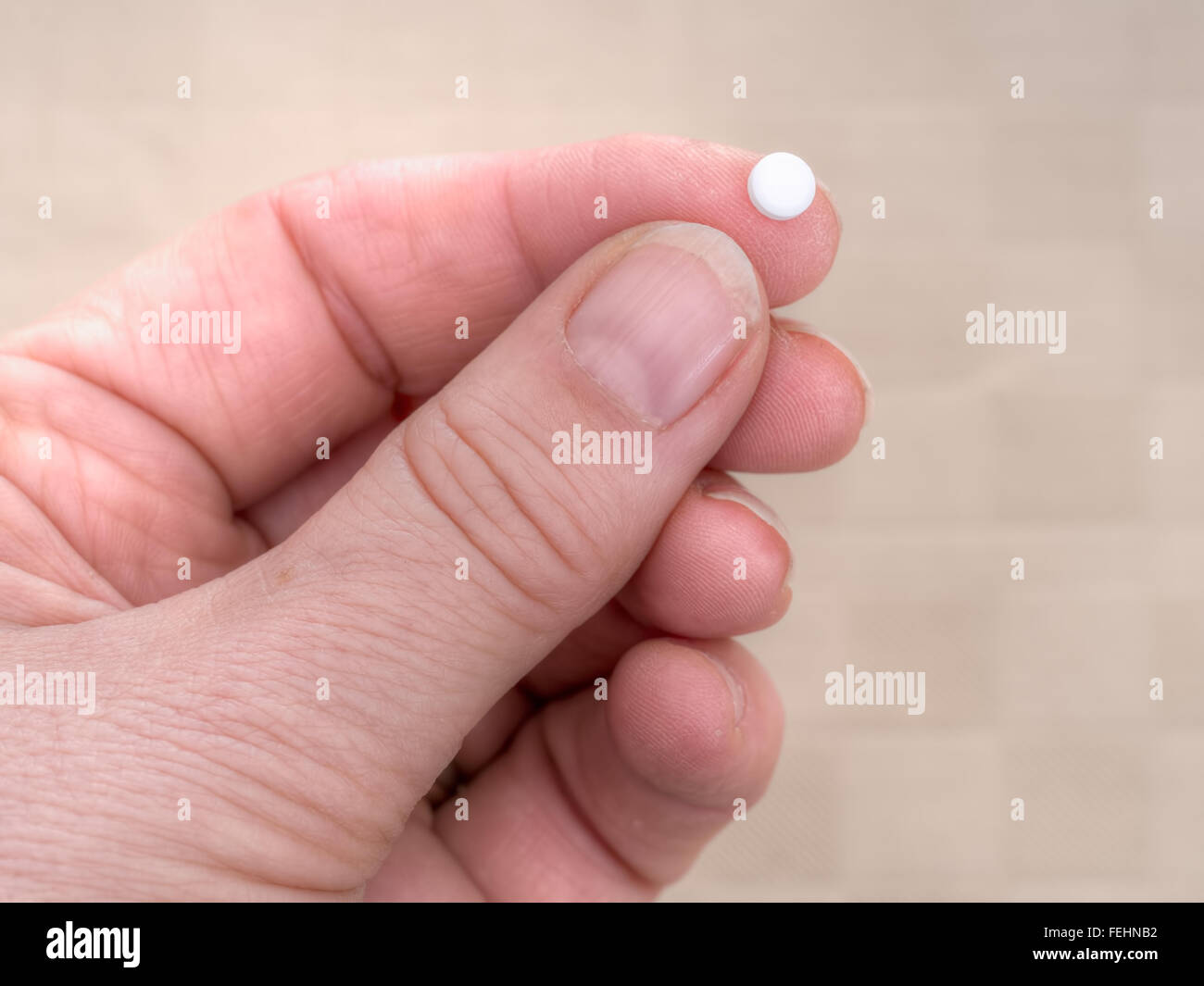
The belief that Vitamin C can stop a common cold in its tracks is one of the most successful marketing triumphs of the twentieth century. It is a myth rooted in the obsession of a double-Nobel laureate and sustained by a multi-billion dollar supplement industry that thrives on our desperation for a quick fix. If you feel a scratchy throat and reach for a 1,000mg effervescent tablet, you are participating in a ritual rather than a medical intervention. For the vast majority of people, Vitamin C does not prevent colds, and it certainly does not cure them.
The clinical reality is stark. Large-scale meta-analyses of decades of research show that taking Vitamin C after symptoms appear has no consistent effect on the duration or severity of the illness. It is essentially an expensive placebo. While the nutrient is vital for immune function, the human body is not a bucket that becomes more effective the more you overflow it.
The Pauling Legacy and the Birth of a Super-Nutrient
To understand why we still buy into this, we have to look at Linus Pauling. In the 1970s, Pauling, a giant of chemistry, became convinced that "megadoses" of ascorbic acid could eradicate everything from the common cold to cancer. He wasn't just a scientist; he was a celebrity. When he spoke, the world listened. He published Vitamin C and the Common Cold, a book that turned a simple micronutrient into a global sensation.
Pauling was wrong. Subsequent controlled trials failed to replicate his exuberant claims, but the genie was out of the bottle. The supplement industry realized that selling a "shield" against the most common human ailment was a gold mine. We transitioned from eating citrus to ward off scurvy—a legitimate medical necessity—to consuming massive, synthetic doses of acid in the hope of avoiding a runny nose.
The Biological Limit of Absorption
The human body is remarkably efficient at managing its resources. It is not a passive vessel. When you consume 1,000mg or 2,000mg of Vitamin C in a single sitting, your internal transport systems hit a hard ceiling.
At low doses, around 30mg to 100mg, the body absorbs nearly everything. As the dose increases, the percentage of absorption plummets. By the time you reach the levels found in popular "immune-boosting" packets, your intestines are struggling to keep up. The excess isn't stored in some tactical reserve for your white blood cells. It is filtered by the kidneys and excreted. You are effectively paying for very expensive urine.
The biological reality is governed by $V_{max}$, the maximum rate of a reaction or transport process. Once the sodium-dependent vitamin C transporters (SVCT1 and SVCT2) are saturated, the rest is waste. For a healthy adult, the blood plasma becomes saturated at a daily intake of roughly 200mg to 400mg. Anything beyond that provides no additional biological utility for fighting a viral infection.
The Shortening Effect vs Prevention
There is a small, persistent grain of truth that the industry uses to justify its existence. While Vitamin C doesn't prevent the average person from catching a cold, some studies suggest that chronic, daily supplementation might shorten the duration of a cold by about 8% in adults and 14% in children.
Think about those numbers. In a cold that lasts seven days, an 8% reduction equates to roughly 13 hours.
Is it worth taking a supplement every single day of the year, year after year, just to feel better half a day sooner once a winter? For most, the cost-benefit analysis doesn't add up. Furthermore, this "benefit" only applies if you have been taking the vitamin consistently before getting sick. Starting a regimen the moment you start sneezing is like trying to build a firebreak while your house is already engulfed in flames.
The High Performance Exception
The only group where Vitamin C shows a definitive, "hard-hitting" preventative effect is among people under extreme physical stress. We are talking about marathon runners, skiers, and soldiers in sub-arctic conditions. In these specific, high-stress populations, Vitamin C has been shown to cut the risk of catching a cold by 50%.
This suggests that Vitamin C acts more as a repair kit for a battered system than a general-purpose shield for the sedentary or moderately active. If you aren't training for an ultra-marathon in a blizzard, you are likely already getting all the "protection" you need from a standard diet.
The Risk of Megadosing
We often treat vitamins as "natural" and therefore harmless. This is a dangerous simplification. While Vitamin C is water-soluble and generally safe, megadosing creates its own set of problems.
- Gastrointestinal Distress: Large amounts of unabsorbed ascorbic acid sitting in the gut act as an osmotic laxative. This leads to bloating, cramping, and diarrhea—hardly the "wellness" people are looking for.
- Kidney Stones: Because the body breaks down Vitamin C into oxalate, high doses can significantly increase the risk of calcium oxalate kidney stones, especially in men.
- Iron Overload: Vitamin C enhances the absorption of non-heme iron. For individuals with conditions like hemochromatosis, this can lead to toxic levels of iron storage in the organs.
The Myth of the "Immune Boost"
The term "immune booster" is a linguistic trick. You do not actually want a "boosted" immune system; that is called an autoimmune disorder or a cytokine storm. You want a functional and balanced immune system.
The immune response to a cold—the mucus, the fever, the inflammation—is actually your body doing its job. It is the sound of the battle being fought. Taking massive doses of antioxidants to "stop" the cold often reflects a misunderstanding of how the body clears a rhinovirus. The virus isn't what makes you feel terrible; your immune response is.
Where the Real Defense Lies
If you want to stay healthy, the solutions are far less profitable for the supplement giants. It comes down to physical barriers and basic biology.
- Humidity Management: Rhinoviruses thrive in dry, cold air, which also dries out the mucosal lining of your nasal passages. A humidifier is often more effective than a vitamin cabinet.
- Zinc Acetate: Unlike Vitamin C, zinc lozenges (if taken within 24 hours of symptom onset) have shown a more significant ability to reduce cold duration by up to three days, though they come with a metallic taste and potential nausea.
- Sleep Hygiene: Sleep is the period when the adaptive immune system "reloads." A single night of poor sleep can drop your natural killer cell activity by 70%.
The market for Vitamin C is built on the human desire for control over the uncontrollable. We want to believe that a pill can substitute for the messy, slow work of rest and nutrition. We want a shortcut. But the biology of the common cold is indifferent to our marketing and our Nobel-winning theories.
Stop looking for a shield in a bottle. If you are already sick, the best thing you can do is hydrate, sleep, and accept that the virus will leave when it is done, regardless of how much orange-flavored powder you stir into your water.
Check the label on your "immune support" supplement. If the Vitamin C content is over 500mg, you are likely paying for a biological impossibility.