The receipt was still warm when Arthur dropped it into the kitchen trash.
He stood over the granite island in his socks, staring at a matte-black box containing a smart mug. It kept coffee at precisely one hundred and thirty-five degrees. It had an app. It had four thousand five-star reviews on an algorithm-driven storefront promising the "absolute best gift ideas of all time."
And yet, as Arthur taped the corners of the wrapping paper, his stomach knotted with a familiar, hollow dread. His wife, Clara, didn't even drink hot coffee slowly enough to let it get cold. She gulped hers lukewarm while running out the door to teach third grade.
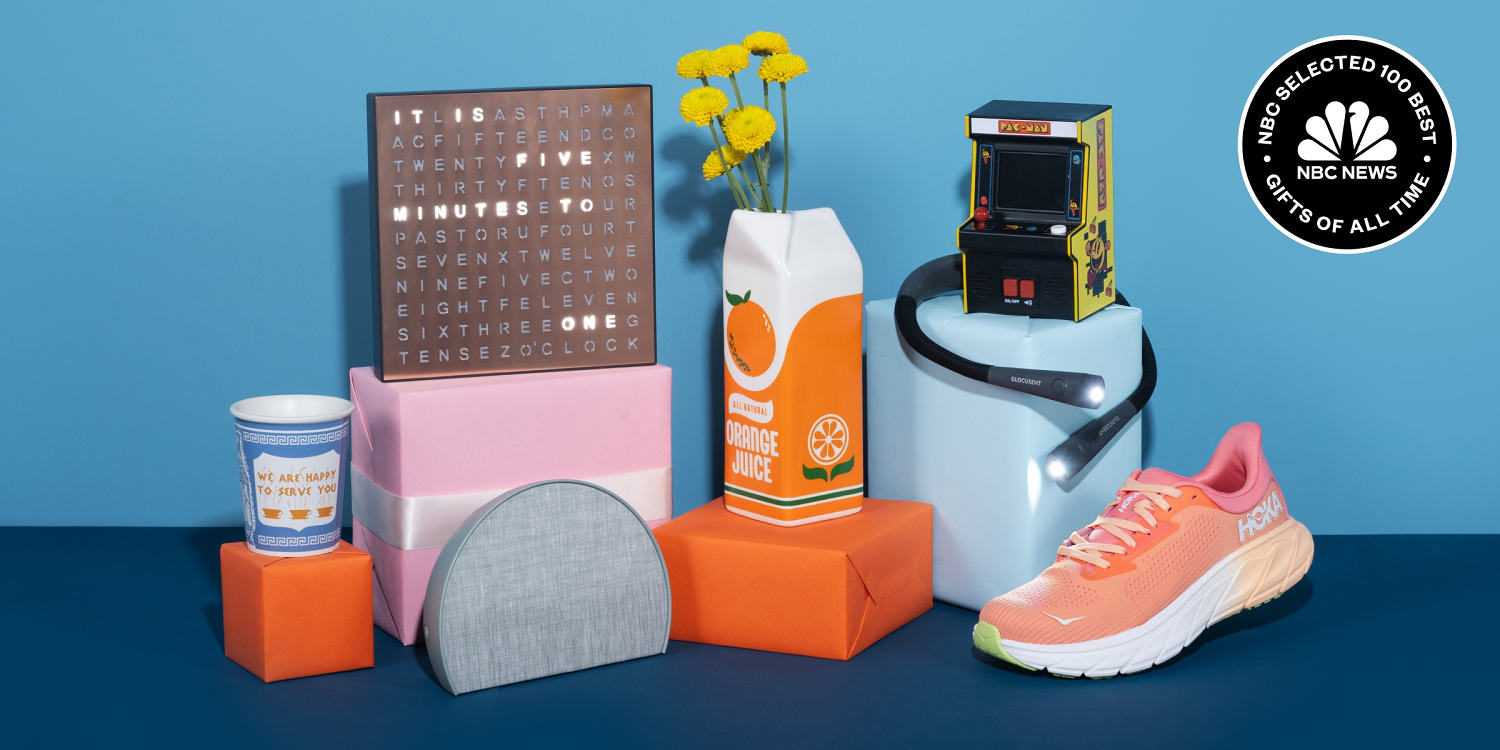
Arthur isn't a real person—he is a hypothetical composite of millions of us every November and December—but that knot in his stomach is entirely real. I know because I have stood at that exact kitchen island, holding a receipt for a high-end weighted blanket my brother never took out of the closet. We have turned an ancient human ritual of connection into a frantic, transactional panic. We scroll through endless, bloated listicles of a hundred gadgets, novelty socks, and scented candles, hoping that spending enough money or picking a trending item will somehow substitute for actually paying attention.
It doesn't.
The Myth of the Universal Crowd-Pleaser
To understand why those massive "best of" gift guides fail us, you have to look at what they are actually selling. They aren't selling joy. They are selling insurance against embarrassment.
When a website aggregates a hundred popular products—a portable espresso maker, a silk pillowcase, a mini waffle iron, a brass key ring—it is optimizing for the lowest common denominator. These are items engineered not to offend anyone, which almost guarantees they will deeply move no one. Behavioral psychologists who study consumer habits have long observed a fascinating disconnect between what givers think recipients want and what actually sparks lasting gratitude. Givers tend to optimize for the "reveal"—that split-second gasp when the paper tears away. We want the shiny, complicated, impressive object. Recipients, however, overwhelmingly value utility, longevity, and personal resonance over immediate spectacle.
Think of gift giving like tuning an old analog radio. Most modern shopping guides tell you to just turn the volume all the way up. Buy the louder, brighter, more expensive thing. But volume doesn't fix static. If you aren't on the right frequency, making the signal stronger only makes the noise harder to bear.
I learned this the hard way three winters ago. Determined to win the holidays, I bought my father a top-of-the-line digital weather station with wireless outdoor sensors and a glowing color display. He thanked me warmly, mounted the sensor on the back deck, and plugged the screen into the kitchen wall. Six months later, I visited and noticed the screen was unplugged, tucked neatly behind the toaster. When I asked about it, he looked sheepish. He liked stepping onto the porch in the morning to feel the air on his face and check the old mercury thermometer his grandfather had nailed to the cedar post in 1974. My high-tech marvel hadn't improved his morning; it had interrupted a quiet ritual he loved.
What People Actually Remember
If you strip away the marketing noise, what makes a gift unforgettable? It comes down to a simple, slightly terrifying premise: a great gift is proof that you were listening when the other person didn't think anyone was paying attention.
Consider a hypothetical scenario involving two sisters, Maya and Elena. Elena mentions in passing during a July phone call that she misses the specific, crusty sourdough bread from a tiny bakery near their old college campus, a place that closed down years ago. She forgets she even said it. Five months later, on her birthday, Maya hands her a heavy, linen-wrapped parcel. Inside isn't a bread maker or a generic gourmet basket. It is a hand-transcribed recipe card from the retired baker—whom Maya tracked down through a local historical society—paired with a jar of active starter and a cast-iron Dutch oven.
That is the difference between a purchase and a tribute.
When people ask how to find the best gifts for people who "have everything," they are usually asking the wrong question. Nobody has everything, because nobody has enough time, enough ease, or enough proof that they are deeply understood. People who seem impossible to shop for are simply immune to clutter. They don't want another object to dust, charge, or store in a drawer. They want friction removed from their daily lives, or they want a tangible piece of a shared memory.
The Architecture of a Meaningful Gift
If we throw out the list of a hundred random trinkets, what replaces it? Not a rigid formula, but a filter. Before you buy anything for anyone, run it through four distinct human needs. This isn't about categories like "for him" or "for her"—labels that rely on lazy stereotypes about grilling tools and bath bombs. This is about how a person moves through the world.
1. The Upgrade to a Daily Ritual
Every person has a small, repetitive action they perform every single day without thinking about it. They chop onions with a dull knife. They read in bed under a harsh overhead light. They carry a frayed canvas tote bag whose straps dig into their shoulder on the walk from the train.
The most quietly transformative gifts upgrade these mundane moments. Instead of buying a novelty kitchen gadget that gets used twice a year, you buy a single, balanced chef's knife and a whetstone. Instead of a generic hardcover bestseller, you buy a warm, clip-on brass reading lamp that casts an amber glow without waking their partner. You aren't asking them to start a new hobby; you are making the life they already live feel twenty percent smoother.
2. The Permission Slip
Adult life is an endless exercise in self-denial. We talk ourselves out of small luxuries because we can't justify the cost when there are tires to replace and groceries to buy. We stick to the sensible option.
A brilliant gift acts as a permission slip to indulge without guilt. It is the ridiculously plush, heavy-gauge bath sheet when they would only ever buy standard towels for themselves. It is the high-end, single-origin olive oil in a ceramic bottle that costs three times what they spend at the supermarket. It is a prepaid afternoon at a quiet bathhouse, accompanied by a handwritten note promising that you have already arranged childcare and walked the dog. You are taking the burden of justification off their shoulders.
3. The Shared Experience
Material objects eventually degrade, break, or fade into the background noise of a room. Experiences, paradoxically, appreciate in value over time. Psychologists call this "rosy retrospection"—our tendency to smooth out the minor annoyances of an event and cherish the emotional high points for decades.
You don't need to book a flight to Paris to give an experience. It can be two tickets to a local minor-league baseball game on a Friday night, complete with cash tucked into the envelope specifically earmarked for hot dogs and peanuts. It can be a foraging walk with a local mycologist, a pottery throwing class for two, or a promise to cook a complex, multi-course meal from a country you both want to visit while a curated playlist hums in the background. You are buying time together, which is the only currency none of us can mint more of.
4. The Anchor to the Past
We live in an era of ephemeral digital memories. Thousands of photos sit trapped in cloud servers, rarely viewed, easily forgotten. Bringing a memory back into the physical world carries an emotional weight that shocks people.
Think about taking a faded, creased photograph from someone's childhood—maybe their parents' wedding day or a summer cabin that burned down years ago—having it professionally restored, and framing it in solid walnut. Or tracking down a vintage, first-edition copy of the book that got them through a lonely summer in their twenties. When you hand someone a piece of their own history, you are telling them that their story matters enough to be preserved.
The Trap of the Price Tag
There is a persistent, poisonous myth in modern gifting that affection is directly proportional to expenditure. If you spend fifty dollars, you like them. If you spend five hundred, you love them.
This is nonsense, and deep down, we all know it. Research into gift-giving psychology consistently shows that while givers agonize over price tags—believing higher cost signals greater thoughtfulness—recipients rarely correlate the cost of an item with their appreciation of it. In fact, an overly expensive gift can backfire, creating an uncomfortable sense of obligation or highlighting an awkward financial imbalance between friends.
Some of the most cherished items I own cost less than twenty dollars. On my desk right now sits a heavy, chipped ceramic mug a friend bought at a roadside diner in New Mexico because the graphic on the side reminded him of an inside joke from college. Beside it is a paperback copy of a collection of essays, its margins filled with my sister's pencil notes and underlined passages—she read it first, annotated it for me, and mailed it across the country.
Try finding that on a trending gift guide. You can't. No algorithm can replicate the intimacy of someone handing you a book they have already bled their thoughts into.
How to Actually Listen
If you want to become the kind of person who gives legendary gifts, you have to stop shopping in December and start listening in March.
Keep a running note on your phone—one dedicated file for the people you love. Whenever a friend says, "I've always wanted to learn how to make pasta from scratch," or a partner sighs and mutters, "I hate how my earbuds always fall out when I run," write it down immediately. Don't trust your memory. Your memory will fail you under the fluorescent lights of a crowded store three days before a birthday.
When the occasion finally arrives, you won't need to panic-search the internet for inspiration. You will simply open your notes, look at the breadcrumbs they dropped throughout the year, and pick one up.
And what if you are drawing a complete blank? What if you are buying for a new colleague, a distant cousin, or someone who guards their inner life behind a polite smile?
Even then, skip the novelty junk. Default to consumables that feel elevated. Good food, fine tea, artisanal chocolate, a bottle of small-batch vinegar, or fresh flowers in a simple glass vase. Consumables respect a person's space. They offer a moment of genuine sensory pleasure without demanding a permanent spot on their bookshelf. They arrive, they delight, and they disappear gracefully.
The Courage of the Handwritten Note
We spend hours agonizing over the object inside the box and thirty seconds scribbling a name onto a glossy paper tag. We have the ratio completely reversed.
If you strip away the wrapping paper, the ribbon, and the sleek cardboard packaging, the object itself is just an ambassador for what you are too shy to say out loud. Sometimes, we use expensive gifts as a shield to avoid being emotionally vulnerable. It is much easier to hand someone a cashmere sweater than it is to look them in the eye and tell them how much their friendship steadied you during a terrible year.
Do not let the gift do all the heavy lifting. Buy a piece of heavy cardstock. Pick up a pen that glides smoothly across the paper. Write three or four honest sentences about why this specific person makes your life better, and why this specific item made you think of them.
Years from now, the sweater might shrink in the wash. The smart mug will eventually fail to hold a charge and end up in an electronics recycling bin. The restaurant meal will become a pleasant blur.
The card, folded neatly at the bottom of a wooden jewelry box or tucked inside the pages of a favorite novel, is the thing they will pull out twenty years from now when the house is quiet, reading your handwriting again just to remember how it felt to be known.