The narrative surrounding Asif Merchant and the alleged Iranian plot to assassinate American leaders is being sold as a masterclass in international espionage. It isn't. It is a masterclass in the bureaucratic necessity of the "threat" economy. Most media outlets are busy echoing the DOJ's press releases, painting a picture of a sophisticated, looming shadow war. They are missing the most glaringly obvious fact of the matter: the tradecraft here was bottom-tier, the execution was laughable, and the real story isn't about the "hit"—it’s about the supply chain of desperation.
When a man like Merchant walks into a room to recruit "hitmen" and ends up talking to undercover FBI agents, the public is told that a tragedy was averted. The reality is that the intelligence community just closed a loop they essentially built themselves. This isn't a "shadow war." It is a managed risk.
The Myth of the Sophisticated State Actor
We have been conditioned to believe that state-sponsored terrorism involves elite operatives sliding down vents or using high-tech gadgetry. The Merchant case proves the opposite. If Tehran truly wanted to eliminate a high-level target, they wouldn't outsource the job to a Pakistani man with zero tactical background who thinks he can find professional killers in a Brooklyn basement.
The "lazy consensus" is that Iran is a looming, organized threat capable of striking at the heart of the U.S. government. The data suggests otherwise. Since the 2020 killing of Qasem Soleimani, Iran’s retaliatory attempts on U.S. soil have been characterized by a staggering lack of competence. They aren't sending Mossad-level ghosts; they are sending "outsourced" amateurs who get caught the moment they start talking.
- The Merchant Strategy: Fly to the U.S., look for "muscle," and pay a $5,000 "down payment."
- The Reality: $5,000 doesn't buy a professional hitman. It buys a desperate person or, more likely, a wiretap.
Professional wetwork costs millions in logistical support, extraction planning, and untraceable weaponry. Merchant’s "plot" looked less like The Day of the Jackal and more like a Craigslist scam gone wrong. By treating this as a high-level national security breach, we are inflating the perceived capability of an adversary that is clearly struggling to find competent contractors.
The Incentivized Threat Economy
The intelligence apparatus thrives on "thwarted" plots. There is no funding for "Nothing happened today because the enemy is incompetent." The Merchant arrest allows for a massive injection of urgency into the defense budget and justifies the continued expansion of domestic surveillance.
I have watched agencies blow millions on tracking "plots" that were essentially manufactured the moment an informant suggested the idea to a bumbling suspect. In the Merchant case, the FBI’s "Confidential Sources" (CSs) are the ones who steer the ship. These sources are often paid six-figure sums to maintain these connections.
Ask yourself: Did Merchant have a plan, or did the CS give him one to see if he’d say yes?
This isn't to say the intent wasn't there. Merchant clearly wanted to follow through. But intent without capability is just a fantasy. By treating these fantasies as imminent existential threats, we distract from the real vulnerabilities in our infrastructure—vulnerabilities that aren't being exploited by Pakistani middlemen but by digital actors we can't even see.
Foreign Policy as a Proxy for Competence
The most counter-intuitive part of this entire saga is how it serves the interests of both the U.S. and Iran.
- For Iran: They get to claim they are "taking action" to avenge Soleimani. It plays well to their domestic hardliners. They don't actually have to succeed; they just have to be seen trying.
- For the U.S.: It provides a clear, digestible enemy. It’s much easier to explain a guy from Pakistan with a bag of cash than it is to explain the nuances of cyber-warfare or the slow-burn erosion of diplomatic norms.
The threat to Trump and Biden wasn't Merchant. The threat is the precedent. We are now in an era where "espionage" has been democratized and degraded. Anyone with a passport and a grudge can be labeled a "state-sponsored operative" if they’ve ever had a cup of coffee with a mid-level IRGC bureaucrat.
The Logistics of Desperation
Merchant claimed his family was threatened. This is the oldest card in the book. Whether true or not, it highlights the "disposable agent" model. Iran isn't risking their top assets. They are using people with high "burn" potential. If they get caught, Tehran denies everything. If they succeed (by some miracle of physics and luck), Tehran takes the win.
This is a low-cost, high-reward gamble for a sanctioned nation. But for the U.S. public, the "reward" of knowing we caught him is offset by the "cost" of the fear it generates. We are being taught to look over our shoulders for the amateur assassin while the real threats—state-level cyber attacks on our power grids and financial systems—go largely ignored by the headlines.
Stop Falling for the "Mastermind" Narrative
We need to stop calling these people masterminds. We need to stop pretending that every person who enters the country with a bad idea is a tactical genius. Merchant’s failure wasn't just an FBI success; it was a failure of the very system that sent him.
If we want to actually secure the country, we have to look past the theatrical arrests. We have to stop rewarding the intelligence community for catching the low-hanging fruit they planted themselves.
The Merchant case isn't a sign that the system is working. It’s a sign that the system is bored. It’s hunting for villains in a world where the real enemies are too sophisticated to ever be caught in a Brooklyn sting.
Merchant was a middleman for a regime that couldn't find a real professional. He was a pawn in a game where the rules are written by those who benefit from the fear. The next time you see a headline about a "foiled assassination plot," ask yourself if you're looking at a movie script or a geopolitical reality. Usually, it's just a desperate man with a $5,000 down payment and no way home.
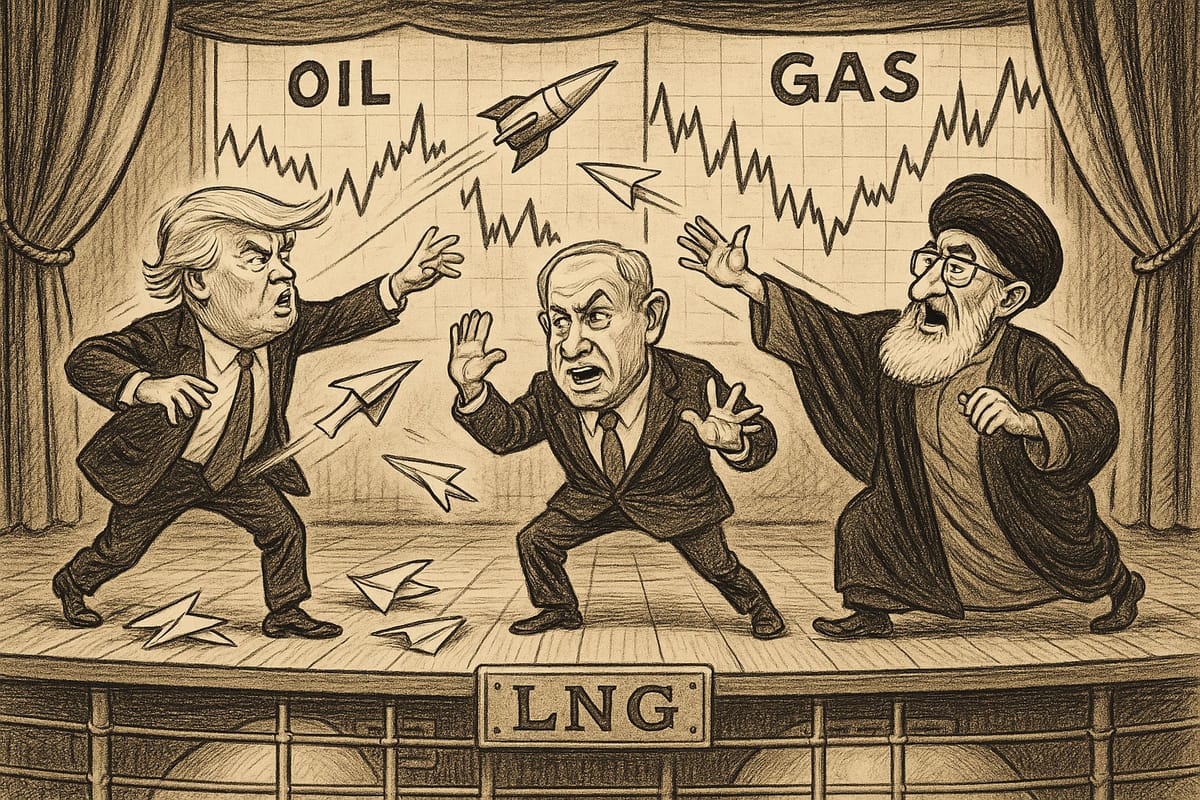
The circus is in town. Don't be the one buying the popcorn.
Stop looking at the hitman. Look at the man holding the camera.