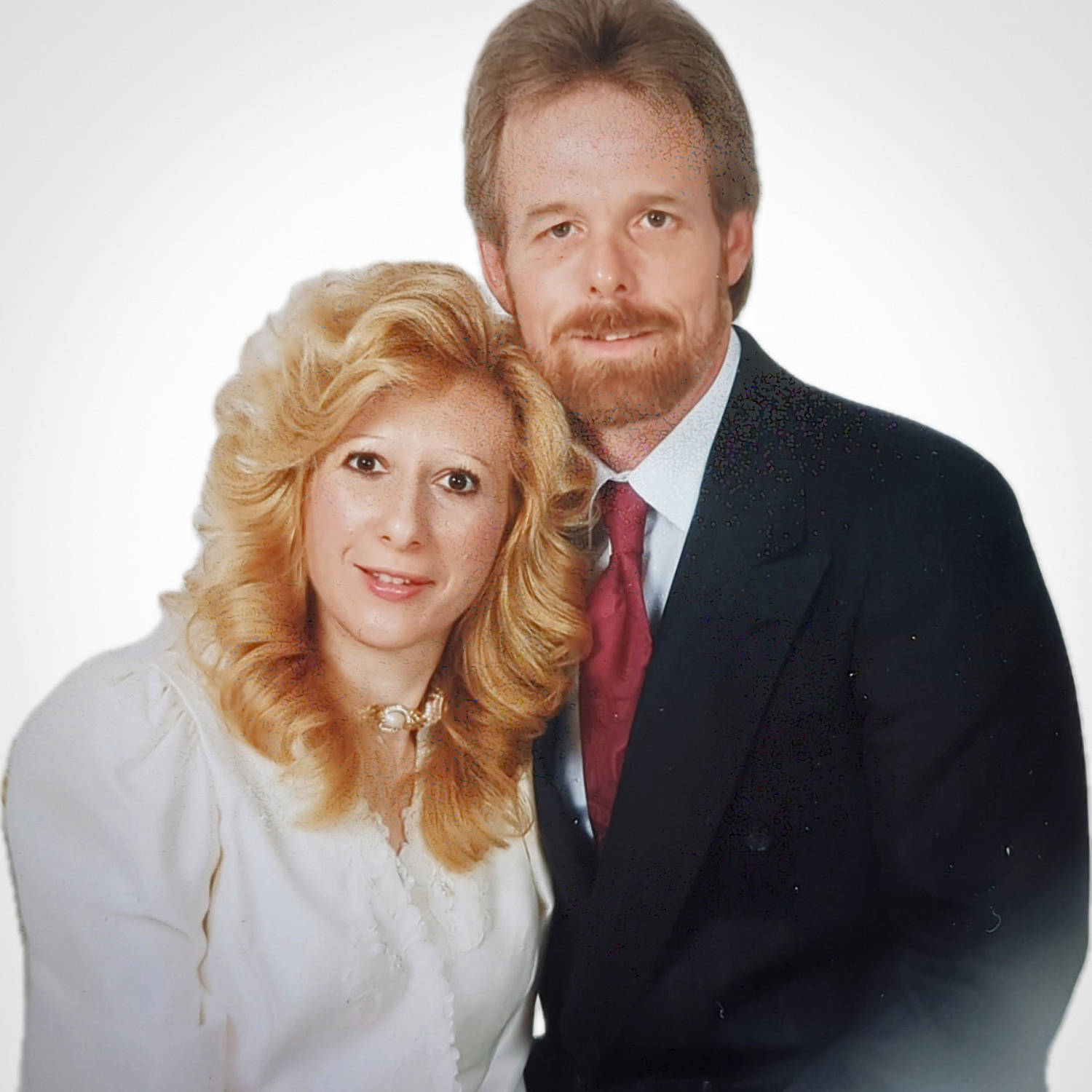
On the morning of December 31, 2022, Rita Zajko picked up her phone to send a text message. She was sitting inside her comfortable home in Chester Heights, an upscale, quiet borough in Delaware County, Pennsylvania. It is the kind of neighborhood where properties are defined by manicured lawns and the ambient noise is usually limited to birds or passing luxury SUVs.
The text was addressed to her only child, Michelle.
Mother and daughter had been estranged for roughly a year. Michelle had drifted away, pulled into the orbit of an insular, hyper-intellectual collective living hundreds of miles away in Vermont. Rita wanted the distance to end. She typed out a message seeking to bury the hatchet. It was a plea for peace, an invitation to start fresh with the coming new year. It was also Michelle’s 30th birthday.
The message went unreturned.
Hours later, as the rest of the world toasted to midnight, a car pulled up outside the Zajko residence. A neighbor’s doorbell camera captured the dark silhouette of the vehicle cutting through the midnight chill. The microphone picked up audio that would later haunt investigators. A voice shouted "Mom!" Then, a sharp, terrified exclamation: "Oh my God! Oh, God, God!"
Silence followed.
Two days passed before Pennsylvania State Police conducted a wellness check after the couple failed to show up to care for a family member. Inside the home, officers found Richard, 70, and Rita, 69. Both had been shot in the head.
For more than three years, the tragedy hung over Chester Heights like an unresolved chord. The dry police press releases and legal briefs spoke of a "long-unsolved double homicide" and "persons of interest." But behind the sterile legal language was a terrifying human reality. This was not a random home invasion. It was a tragedy that sat at the intersection of brilliant, broken minds, internet radicalization, and the profound vulnerability of parents who refuse to stop loving a child who has gone dark.
The Gravity of the Digital Echo
When we think of cults, our minds often wander to remote compounds, matching outfits, and charismatic figures preaching apocalypse in the desert. The modern reality is far more terrifying. It exists in high-speed fiber-optic cables, encryption keys, and shared digital philosophies.
Michelle Zajko was a highly intelligent computer scientist. She and her companions did not resemble traditional cult members. They were young, brilliant, and deeply fluent in the languages of tech, artificial intelligence, and advanced logic. They drifted together under the leadership of a figure named Jack LaSota, forming a tight-knit circle known to authorities as the Zizians.
To look into the Zizians is to look into a mirror of modern alienation. They were bound by intense, radical beliefs concerning animal rights, strict veganism, gender identity, and the existential future of artificial intelligence. In their minds, they were the enlightened few, decoding the matrix of a corrupt world. To the families they left behind, they were ghosts who still possessed social security numbers.
Consider the psychological shift required to cross the threshold from digital idealism to physical violence. It happens gradually, then all at once. An inline definition helps clarify this slide: ideological radicalization (the process where extreme beliefs become absolute justifications for harm) replaces human empathy with mathematical certainty. If the world outside the collective is fundamentally corrupt, then the rules of that world—laws, morals, familial bonds—cease to apply.
The Zajkos’ deaths were not an isolated flash of violence. They were two casualties in a sprawling, cross-country trail of blood linked to the Zizians. The timeline stretches across states: the death of a member during an assault on a landlord in California, the subsequent killing of that landlord, and a chaotic highway shootout in Vermont in January 2025 that left U.S. Border Patrol Agent David Maland dead.
Michelle Zajko did not just leave her parents' home; she had entered a parallel reality where life and death were chess pieces in a cosmic game.
Nine Minutes in the Dark
On June 24, 2026, Delaware County District Attorney Tanner Rouse stood before reporters to announce what many in Chester Heights had feared from the very beginning. Michelle Zajko was formally charged with murder, burglary, and conspiracy in the deaths of her parents.
But she did not act alone.
The digital surveillance from that New Year's Eve shows two individuals entering the Zajko home. They stayed for exactly nine minutes. The doorbell camera did not catch the sound of the gunshots, but the timeline tells the story. Nine minutes to destroy a family. Nine minutes to erase thirty years of parental devotion.
Investigators piece together the human element through the mistakes left behind. After the killings, Michelle allegedly compiled a digital list of things they had "f*** up." It was a cold, analytical post-mortem of a double murder. The list included failing to collect the shell casings, leaving ammunition visible in their Vermont home, and forgetting to send fake text messages from Michelle's phone to create an alibi.
She had left her physical cellphone in Vermont before traveling to Pennsylvania, intending to go completely dark. But a digital footprint is a stubborn thing. Text messages recovered by police showed Michelle explaining things she wished she could have done differently surrounding the homicide. The cold logic of the computer scientist had failed to account for the relentless curiosity of forensic investigators.
Through it all, Michelle has maintained her innocence. In April 2025, while jailed in Maryland on separate charges, she penned a 20-page handwritten "Open Letter to the World." In it, she claimed she was being falsely accused and even floated a devastating counter-theory: that her father had killed her mother before turning the gun on himself.
The family has rejected this narrative entirely. Following the charges, Rosanne Zajko, speaking on behalf of the grieving relatives, expressed a grim relief that the long wait for accountability was moving forward.
The Weight of What Remains
It is easy to get lost in the sensational details of this case—the tech cult, the multi-state crime spree, the midnight audio. But the true emotional core of this tragedy rests in that unreturned text message from Rita Zajko.
Imagine the hope that goes into typing a message like that on New Year's Eve. It is an act of supreme vulnerability. It is a mother saying, I don’t care what has happened over the last year. I don’t care about the arguments or the distance. I just want my daughter back.
The tragedy of the modern age is that our loved ones can be physically near but lightyears away, trapped inside ideological echo chambers that we cannot penetrate. Rita and Richard Zajko did not know that when they opened their door on their daughter's 30th birthday, they were not greeting the little girl they raised in Chester Heights. They were facing the executioners of a philosophy they could not possibly understand.
Michelle Zajko currently remains in a Maryland detention center, awaiting extradition back to Pennsylvania to face a jury. The legal system will dissect the shell casings, the cell tower pings, and the digital logs. They will prove the conspiracy beyond a reasonable doubt.
But the law cannot fix the quiet house in Chester Heights, nor can it answer the text message that still hovers, unread and unreturned, in the digital ether.