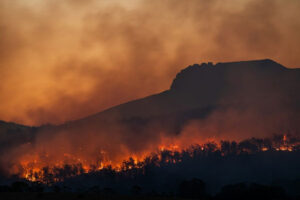
We talk endlessly about carbon dioxide. Every climate summit, corporate pledge, and headline obsesses over net-zero carbon targets for 2050. That obsession makes sense on paper, but it ignores a brutal reality. Carbon dioxide hangs around in the atmosphere for centuries. Even if you magically stopped every smokestack and exhaust pipe today, the planet would keep baking from the carbon already trapped up there.
If you want to slow down planetary warming right now, waiting decades for carbon dioxide cuts to take effect is a losing game. You have to look at what scientists call short-lived climate pollutants. These are the aggressive troublemakers hiding in plain sight—methane, black carbon, tropospheric ozone, and hydrofluorocarbons (HFCs). They drive nearly half of all current warming, yet they wash out of the atmosphere in months, years, or a few decades. Cut them, and the atmosphere responds almost immediately.
The Power of Methane and Super Pollutants
Most people assume all greenhouse gases act the same way. They don't. Methane traps heat with terrifying efficiency. Over a twenty-year span, a single ton of methane packs dozens of times the warming punch of carbon dioxide. It leaks from aging oil and gas pipelines, billows from massive landfills, and rises from intensive agriculture.
Then you have black carbon, commonly known as soot. When diesel engines, inefficient cookstoves, or agricultural fires spit out black carbon, it doesn't just dirty the air. It travels to the Arctic and the Himalayas, settling on snow and ice. Darkened ice absorbs sunlight instead of reflecting it, accelerating melt rates in fragile cryosphere regions.
HFCs complete the unholy trinity. Used primarily in refrigeration and air conditioning, these synthetic gases are thousands of times more potent than carbon dioxide. The good news? The technology to capture, replace, or eliminate these substances already exists and often costs very little to deploy.
Why the Traditional Playbook Fails
For years, climate strategy relied on a pure carbon-reduction mindset. While phasing out fossil fuels remains non-negotiable for the long haul, it acts like a slow-release medication.
If global temperatures cross critical tipping points in the next decade—such as the irreversible collapse of key ice sheets or forest diebacks—a carbon-only strategy arrives too late. Ignoring short-lived pollutants is like watching your house catch fire while arguing about whether to turn off the garden hose. You need to tackle the immediate flames first.
Targeting these super pollutants buys humanity the most precious commodity left: time. Slicing methane and black carbon emissions aggressively can drop the rate of warming by up to half over the next thirty years. It gives vulnerable coastal communities, fragile ecosystems, and human societies a fighting chance to adapt before thermal shock takes over.
Actionable Steps for Immediate Impact
You don't need to wait for international treaties to take personal and professional notice of how short-lived pollutants operate. Real changes are happening across multiple sectors right now.
- Plug methane leaks: Energy companies are deploying advanced satellite monitoring and infrared cameras to find and fix fugitive methane emissions from oil and gas infrastructure before they vent into the sky.
- Upgrade cooling systems: Regulations like the Kigali Amendment to the Montreal Protocol are forcing manufacturers to phase out HFCs in favor of climate-friendly refrigerants. When buying appliances, check the coolant type.
- Curb organic waste: Methane generation in landfills starts with food waste. Composting organic material or capturing landfill gas for energy prevents massive plumes of methane from forming.
- Target soot sources: Upgrading old diesel fleets, moving away from dirty diesel generators, and transitioning rural communities to clean-burning cooking stoves dramatically cuts black carbon.
Stop treating carbon dioxide as the only player on the field. Prioritizing short-lived pollutants gives us a realistic fast track to cool the planet when we need it most.