FIFA has a crisis management playbook that is as predictable as it is cynical. When a high-profile incident of racism occurs under its massive umbrella, the governing body does not look to fix the systemic rot. It looks for a photo opportunity.
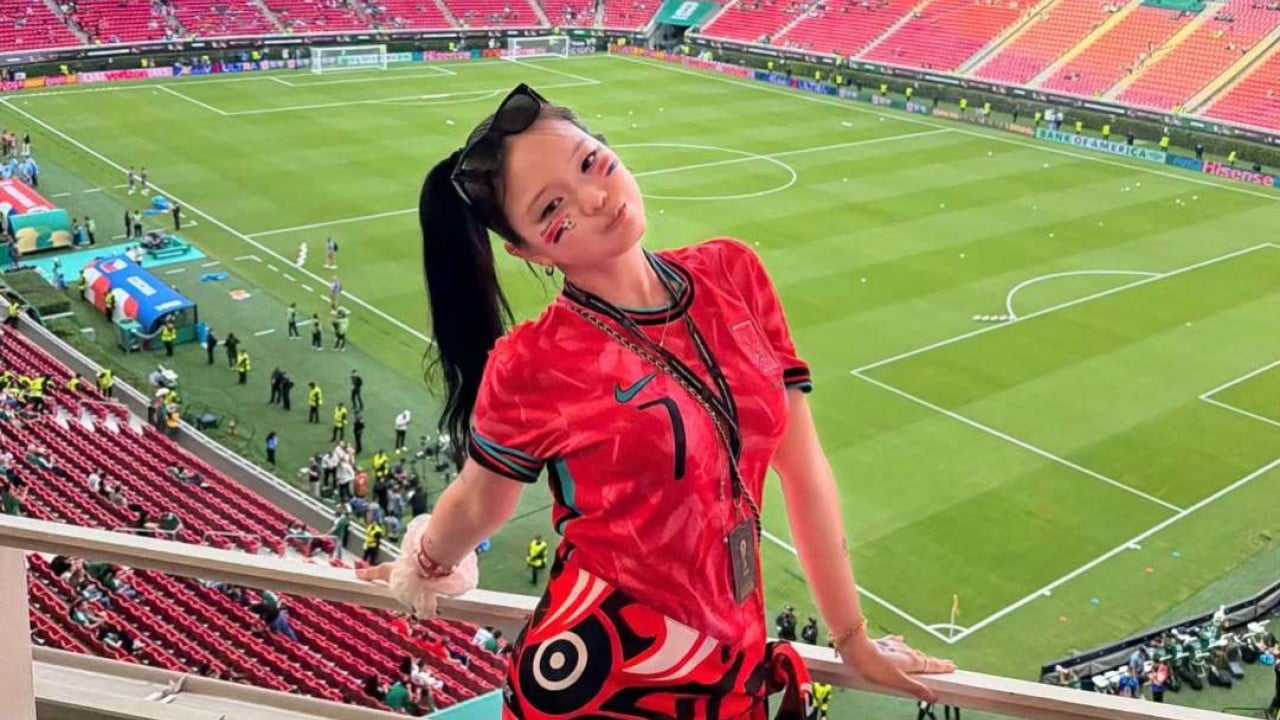
The latest case study in empty institutional posturing involves a South Korean YouTuber who was subjected to vile, overt racism during an international match. The footage went viral. The internet reacted with justified outrage. FIFA, sensing a public relations disaster that could tarnish its multi-billion-dollar brand ahead of the upcoming World Cup in Mexico, Canada, and the United States, pulled its favorite lever: the golden ticket.
By flying this specific creator out to a high-profile World Cup match in Mexico, FIFA is trying to buy its way out of a deeper conversation. The mainstream sports media swallowed the bait hook, line, and sinker, framing this gesture as a heartwarming act of corporate redemption.
It is nothing of the sort. It is a calculated distraction that fundamentally misunderstands—or worse, intentionally obscures—how racism operates in global football.
The Currency of the VIP Pass
Corporate entities routinely use VIP treatment as a shield. When an organization grants exclusive access to a victim of discrimination, it shifts the narrative from a systemic failure to an individual triumph. The media stops asking why stadium security failed to identify the perpetrators, why the local football association was slow to react, or what concrete penalties are being levied against the offending federation. Instead, the cameras focus on a smiling influencer sitting in an air-conditioned luxury box.
This is a classic misdirection strategy. I have watched sports organizations deploy this tactic for two decades to defuse PR bombs. It works because it exploits the attention economy. A video of an influencer enjoying a VIP experience gets millions of views; a dry report on stadium banning orders or diversity training initiatives gets ignored.
By treating a victim of racism like a lottery winner, FIFA commodifies the entire experience. The message it sends is profoundly damaging: if you are targeted by bigotry at a match, and you have enough digital leverage to make it a trending topic, we might give you free tickets.
What happens to the fan without a camera crew? What happens to the amateur player subjected to abuse on a rain-soaked pitch with no one recording? They get nothing. This is PR as an elite privilege, completely decoupled from actual justice.
The Flawed Premise of Football Anti Racism
The media coverage of this incident highlights a massive flaw in how the public thinks about racism in sports. The "People Also Ask" sections of search engines are flooded with queries like "How is FIFA punishing racism?" and "What are the rules for fan behavior at the World Cup?"
These questions assume that the current disciplinary frameworks are designed to work. They are not. They are designed to manage liability.
When FIFA penalizes a national federation for discriminatory fan behavior, it usually issues a fine. To a multi-million-dollar organization, a $50,000 fine is a rounding error—a literal cost of doing business. Occasionally, stadiums are ordered to play matches behind closed doors. This punishes the average fan and the players, while doing absolutely nothing to change the underlying culture of the localized groups responsible for the abuse.
True anti-racism in football cannot be achieved through reactive, top-down decrees or sudden bursts of corporate generosity. It requires structural changes that directly impact the bottom line of clubs and federations.
The Real Cost of Inaction
To understand how toothless the current system is, consider the financial reality of international football. The revenue generated by a single World Cup cycle is measured in billions of dollars, driven primarily by broadcasting rights and massive corporate sponsorships.
| Revenue Stream | Approximate Impact per Cycle | Current Risk from Fan Incidents |
|---|---|---|
| Broadcasting Rights | Billions | Zero. Broadcasters do not pull out over fan behavior. |
| Corporate Sponsorships | Hundreds of Millions | Low. Brands only exit if the organization itself is directly implicated in corruption. |
| Ticket Sales / Hospitality | Hundreds of Millions | Low. High demand ensures sold-out stadiums regardless of controversy. |
As long as these three pillars remain completely insulated from the consequences of fan racism, FIFA has no financial incentive to implement draconian measures. Flying a single YouTuber to Mexico costs FIFA virtually nothing. It is a microscopic marketing expense used to protect a gargantuan revenue apparatus.
The Nuance the Mainstream Media Ignores
The competitor articles covering this story want you to feel good. They want you to believe that the system works, that the bad actors were called out, and that the victim was taken care of. This narrative completely ignores the geopolitical and cultural complexities of East Asian representation in global football.
Racism against Asian players and fans in football is frequently downplayed, dismissed as "banter," or ignored entirely by Western media outlets until a viral video forces their hand. Players like Son Heung-min have spoken openly about the persistent, low-level hostility they face in European leagues. When an incident does blow up, the response is almost always individualized. The specific fan is banned, the specific victim is consoled, and the broader, normalized culture of casual xenophobia remains completely untouched.
By focusing entirely on this one influencer and this one match in Mexico, FIFA avoids having to address its own historic failures in protecting Asian stakeholders within the sport. It allows the organization to pretend it is ahead of the issue, when it is actually trailing miles behind the reality on the ground.
How to Actually Fix the System
If a sports organization genuinely wants to eradicate discriminatory behavior from its venues, it has to stop handing out gifts and start inflicting real pain on the institutions that tolerate it.
1. Automatic Point Deductions
Fines do not work. Closed-door matches are a temporary inconvenience. The only sporting currency that matters to a football federation or club is points. If a federation's fans engage in documented, collective racist behavior during a qualifying cycle, that team should immediately be stripped of points in the standings. Watch how fast local fan groups police themselves when their actions directly prevent their country from qualifying for a World Cup.
2. Immediate Sponsor Liability Clauses
Change happens when the money stops flowing. Corporate sponsors love to put anti-racism slogans on billboards around the pitch, but they rarely hold the governing bodies accountable. Contracts should include mandatory, legally binding morality clauses: if a tournament or match is disrupted by mass discriminatory behavior and the governing body fails to halt the match immediately, sponsors must have the right to terminate the contract without financial penalty.
3. Real-Time Walk Offs
The current protocol requires referees to go through a multi-step announcement process before abandoning a match due to racism. This is cowardice wrapped in bureaucracy. The rule should be binary: if racist chanting or gestures are verified by the officiating crew or match delegates, the match is abandoned on the spot. The offending team forfeits the match 3-0. No corporate optics, no long delays, no rescheduling behind closed doors.
The Hard Truth About Corporate Contentment
The most dangerous aspect of FIFA's influencer invite is that it works on the public. It satisfies the casual observer's desire for a neat story arc with a happy ending. It creates a false sense of progress.
This contrarian approach to analyzing sports governance is uncomfortable because it forces us to admit that the games we love are run by entities that prioritize brand protection over human dignity. When you applaud FIFA for flying an influencer to the World Cup, you are validating their PR strategy. You are agreeing that a luxury matchday experience is a fair trade for human dignity.
Stop celebrating corporate gestures that cost billionaires nothing. The next time a governing body hands out a VIP pass to a victim of abuse, do not look at the smiling face in the luxury box. Look at the empty space where real policy ought to be.