Every monsoon season, the media treats disaster zones in Nepal like a heartbreaking reality TV show. The headlines scream about climbing death tolls, missing persons counts in the high hundreds, and heroic rescue teams racing against incoming storms. It is a predictable script designed for immediate emotional consumption and maximum panic. But underneath the tragedy lies a profound administrative failure. We are treating chronic environmental geography as if it were an acute emergency, and our disaster response mechanisms are entirely built around the wrong end of the timeline.
Stop sending more rubber boats to the lowlands after the rivers burst. The disaster did not happen when the embankment breached yesterday. It happened twenty years ago when local politicians approved high-density concrete construction on active alluvial fans, and when federal agencies ignored watershed management in favor of flashy, downstream concrete walls that inevitably crack under pressure.
The Fallacy of Reactive Heroism
The prevailing consensus argues that saving lives is purely a logistical problem of heavy lift helicopters, swift-water rescue teams, and international aid packages. This is a comforting delusion. It shifts responsibility away from structural governance and places it entirely on the shoulders of underfunded emergency workers.
I have watched billions of dollars in international disaster relief pour into South Asian flood zones over the past decade. The money almost exclusively funds short-term band-aids: temporary shelters, bottled water distributions, and post-hoc body recovery. Meanwhile, the core drivers of vulnerability remain completely untouched.
Consider the mathematics of standard disaster response. When a river basin swells by four meters in twelve hours, a rescue boat arriving twelve hours later is a statistical irrelevance for anyone caught in the mudflow. The survival window in a flash flood is measured in minutes, not days. Relying on centralized government rescue squads to pull people from rooftops is a systemic admission that early warning systems and local preparation have completely failed.
Why Downstream Defenses Always Fail
Engineers love building things they can point at and measure. Give a bureaucrat a budget, and they will build you a ten-meter concrete dike. It looks impressive. It gives people a false sense of security. And it guarantees catastrophic failure when the water eventually finds a way around it.
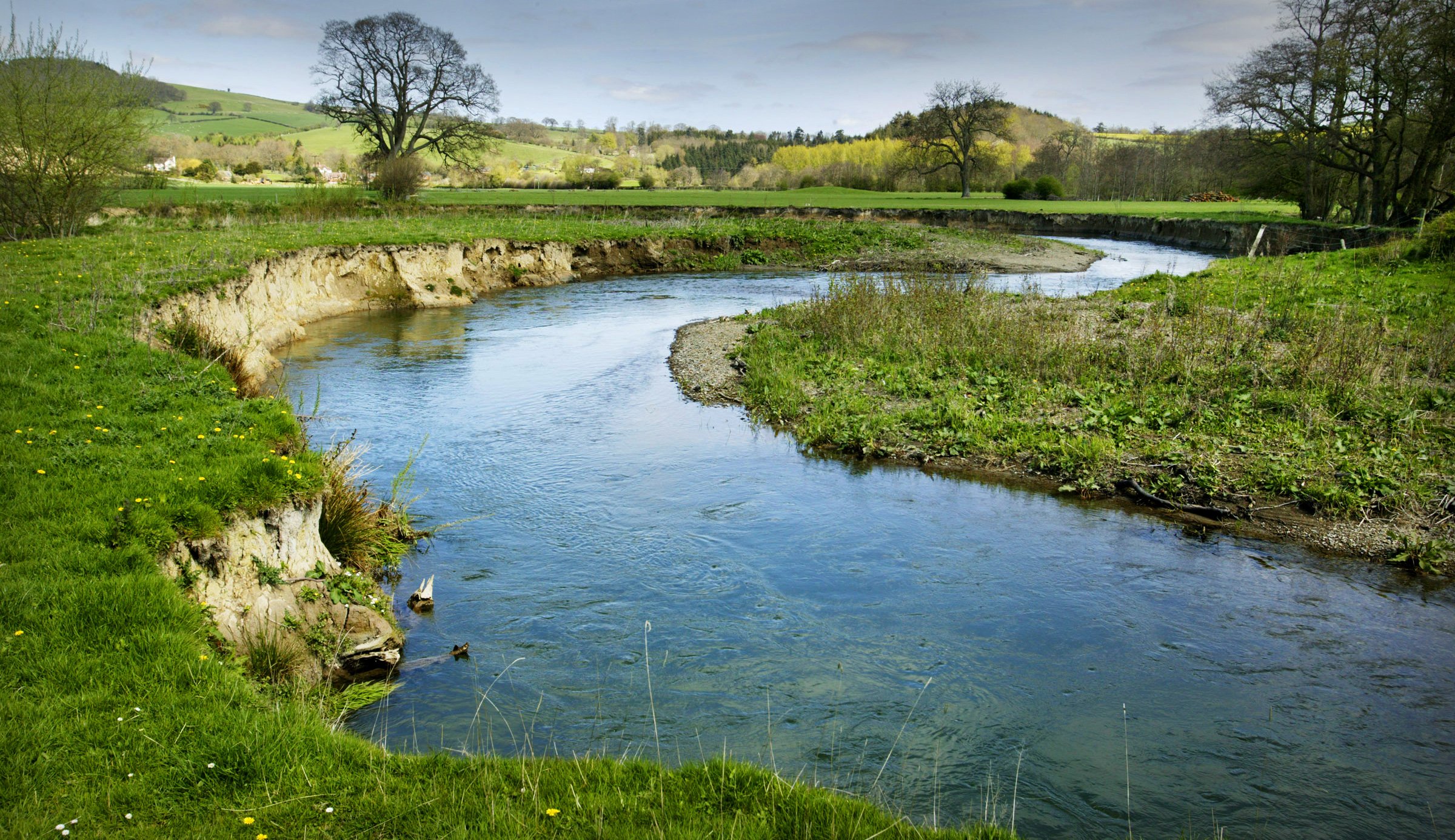
Water always wins. When you channel a wild Himalayan river with rigid stone and concrete, you increase its velocity upstream and concentrate its destructive energy downstream. The traditional approach treats rivers as static plumbing systems rather than dynamic, living geological features.
The Counter-Intuitive Fix
If you want to stop counting bodies every monsoon, you have to abandon the obsession with holding water back. You have to let rivers take up space.
- Mandatory Managed Retreat: Stop rebuilding settlements in high-risk floodplains. Offer land swaps in higher, stable elevations and enforce zero-tolerance zoning laws that treat river corridors as untouchable ecological buffers.
- Decentralized Community Early Warning: Centralized weather monitoring is too slow for mountain topography. True preparedness means empowering hyper-local, village-level acoustic sensors and community radio networks tied directly to upstream precipitation gauges, giving residents hours to move uphill rather than minutes to scramble onto a roof.
- Nature-Based Watershed Stabilization: Replace massive concrete dams with terraced afforestation, bio-engineering, and slope stabilization at the mid-altitudes where landslides originate. Slow the water where it falls instead of trying to fight it when it arrives as a wall of mud.
The current system persists because emergency contracts are lucrative, and political theater is cheap. As long as we reward leaders for showing up in rubber boots after the disaster instead of punishing them for poor zoning before it, the body counts will keep climbing.
Tear down the useless dikes, stop funding downstream rescue theatre, and start giving the rivers their valleys back.