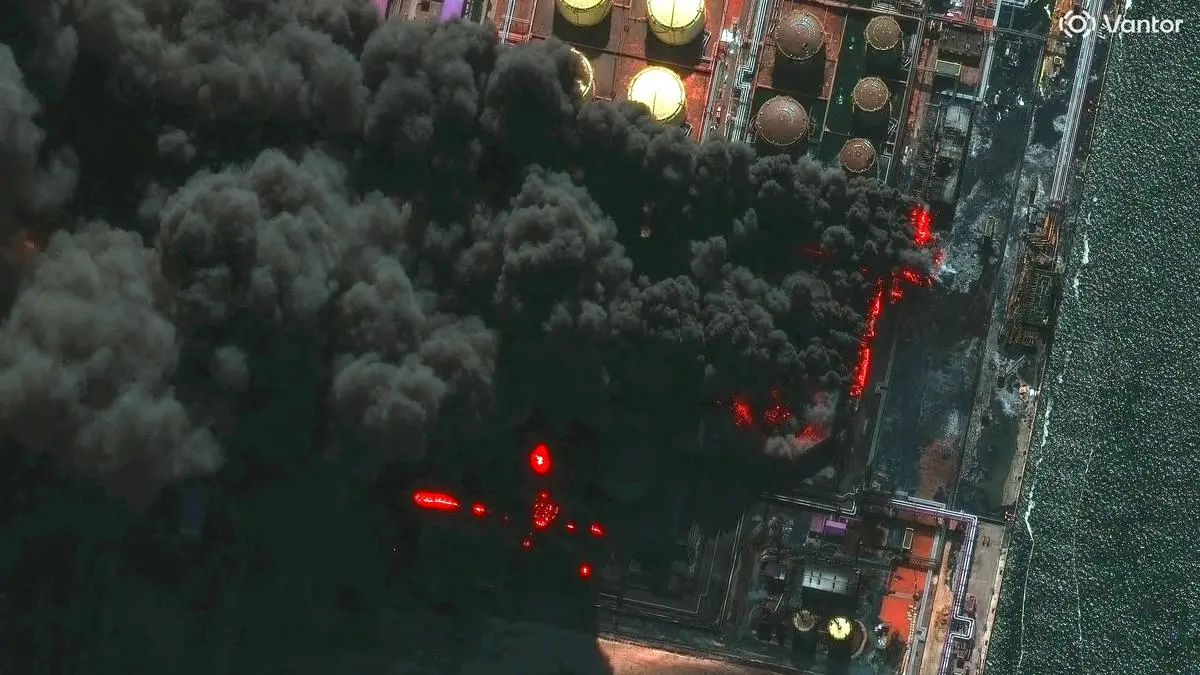
The global energy market is currently witnessing a high-stakes game of chicken where the collateral damage is landing squarely on Indian shores. Recent Ukrainian drone strikes on Russian oil infrastructure have done more than just dent storage tanks; they have exposed a massive structural vulnerability in India’s refining sector. For two years, New Delhi has leaned heavily on discounted Russian Urals to fuel its massive refining machines and keep domestic inflation in check. That strategy is now hitting a wall of kinetic warfare that the International Energy Agency warns could disrupt the very flow India depends on to survive.
The Fragile Pipeline of Discounted Crude
India didn't just stumble into its current dependence on Russian oil. It was a calculated, aggressive pivot. Before 2022, Russia was a bit player in India’s energy mix, providing less than 2% of its imports. Today, that number has hovered near 40% at various peaks. The math was simple: Russia needed a buyer, and India needed to insulate its economy from the price shocks hitting the West.
But this reliance has created a monolithic risk. When Ukrainian long-range drones strike refineries in the Samara region or export terminals on the Black Sea, they aren't just attacking Russian revenue. They are attacking the predictability of the Indian supply chain. The International Energy Agency (IEA) has flagged that these disruptions threaten to tighten the global market, but for India, the problem is more granular. Indian refiners, particularly private giants like Reliance and Rosneft-backed Nayara, have tuned their sophisticated setups to process the specific sulfur content and density of Russian grades. Shifting back to Middle Eastern or American crude isn't as simple as flipping a switch; it involves recalibrating complex thermal cracking units and adjusting to different profit margins.
Why the Drone War Changes Everything
We are seeing a fundamental shift in how energy security is defined. It is no longer just about who owns the wells or the tankers. It is about the physical integrity of the processing plants. Ukraine’s strategy has evolved from symbolic hits to a systematic dismantling of Russia’s primary export engine. By targeting the "distillation towers"—the tall, expensive columns where crude is actually separated into usable components—they are causing damage that takes months, if not years, to repair under a heavy sanctions regime.
Russia’s ability to export crude remains relatively intact for now, but its ability to produce refined products like diesel and gasoline is cratering. This forces Russia to prioritize its domestic market to prevent internal unrest, leaving less for the international market. As Russian domestic supply tightens, the "spread" or the discount India enjoys begins to evaporate. India is paying for the risk that a $500 drone can take out a billion-dollar refinery 1,000 miles away.
The Myth of Diversification
Politicians in New Delhi often talk about "strategic autonomy," the idea that India can buy from whoever it wants without consequences. In reality, India is trapped. The Middle East, historically India's primary supplier, has seen OPEC+ consistently cut production to keep prices high. The United States has plenty of oil, but the shipping costs to the subcontinent make it a luxury buy.
When Russian supplies face threats, Indian refiners have to scramble back to the spot market. This creates a surge in demand that drives prices up for everyone. It is a feedback loop where India’s attempts to save money by buying Russian oil actually make the global market more volatile and expensive when those supplies are jeopardized.
The Hidden Costs of Logistics and Insurance
The physical threat of drones is only half the battle. The other half is fought in the ledgers of insurance companies and shipping firms. The "shadow fleet"—the aging tankers used to move Russian oil outside of Western price caps—is becoming increasingly expensive to operate.
As Ukraine expands its strike zone to include ports like Novorossiysk, the risk premium for any vessel docking there skyrockets. Even if the oil is available, the cost of getting it to a refinery in Gujarat is rising. Indian state-owned refiners are already facing hurdles with payment mechanisms and the tightening of Western sanctions on individual vessels. If a major port is disabled by a drone hit, the logistics of rerouting millions of barrels a day through overstretched rail and pipeline networks in Russia would be a nightmare.
Technical Bottlenecks at Indian Refineries
Indian refineries are among the most complex in the world. They are designed to squeeze every cent of value out of a barrel of oil. However, this complexity is a double-edged sword. To maintain high margins, they need a consistent "diet" of crude grades.
- Urals Crude: A medium-sour grade that fits Indian refinery configurations perfectly.
- Logistics: A direct sea route from the Black Sea or the Baltic.
- The Problem: If strikes continue, Russia may be forced to export more "light" products or raw crude that hasn't been properly blended, forcing Indian engineers to constantly tweak their chemical processes.
This isn't just a headache for engineers; it’s an economic drain. Every hour a refinery spends recalibrating is an hour it isn't producing high-value diesel for export to Europe or gasoline for the Indian middle class.
The Geopolitical Squeeze
Washington is watching. While the U.S. has largely looked the other way regarding India’s oil imports to prevent a global price spike, that patience has limits. As Russian oil revenues continue to fund the war effort, the pressure to tighten the screws on the "middlemen" increases. India finds itself in a position where its energy security is tied to the success of Russian air defenses.
If Russia cannot protect its ports, India loses its discount. If the U.S. decides to sanction the tankers carrying that oil, India loses its supply. This is a pincer movement of risk that no amount of diplomatic maneuvering can fully resolve. The IEA’s warning isn't just about a temporary dip in numbers; it’s about a permanent increase in the cost of doing business in a world where energy infrastructure is a primary target.
The Diesel Export Engine is Stalling
India isn't just a consumer of oil; it is a massive exporter of refined fuel. It buys cheap Russian crude, refines it, and sells the diesel to Europe and elsewhere. It’s a lucrative "laundering" of sorts that keeps the Indian economy humming.
However, if the input (Russian crude) becomes unreliable or more expensive due to drone-related disruptions, the margins on those exports vanish. We are already seeing a tightening of the diesel market in Europe. If Indian refiners can't provide that supply because their own "cheap" source is under fire, global fuel prices will see a secondary surge. This isn't a localized problem for Moscow or New Delhi; it is a systemic threat to global transport costs.
The reliance on a single, embattled source for nearly half of its energy needs has left India’s economic growth hostage to the accuracy of Ukrainian drone operators. There are no easy fixes here. Building new pipelines takes decades. Deepening domestic production has yielded little results for years. India has doubled down on a high-risk bet, and the drone strikes in the Black Sea are the first sign that the house might be about to win.
Every refinery hit in Russia is a direct tax on the Indian consumer. The era of cheap, consequence-free Russian energy is over, replaced by a reality where the price of a gallon of gas in Mumbai is dictated by the electronic warfare capabilities in the Donbas.
India must now decide if it will continue to chase the diminishing returns of the Russian discount or if it will pay the massive upfront cost to truly diversify its energy infrastructure away from a conflict zone that shows no signs of cooling down. The current path leads to a cliff where the supply simply stops, and the refining towers of Jamnagar and Vadinar go cold while waiting for tankers that can no longer safely dock.