The global energy market is currently navigating a structural deficit that renders comparisons to the 1973 OPEC embargo, the 1979 Iranian Revolution, or the 2002 price rally fundamentally insufficient. While historical shocks were typically characterized by singular points of failure—either supply-side geopolitical interference or demand-side surges—the contemporary crisis is a result of a multi-dimensional "triple-squeeze" on the energy value chain. The current upward pressure on oil prices reflects a systemic underinvestment in upstream production, a rigid refining bottleneck, and a geopolitical fragmentation that has effectively ended the era of "efficient" global energy trade.
The Mechanics of Structural Underinvestment
The primary driver of the current price floor is not a temporary disruption but a decade-long capital expenditure drought. Since the price collapse of 2014, the global oil and gas industry has shifted from a growth-at-all-costs model to a regime of capital discipline and shareholder returns.
- The Depletion Rate Alpha: Traditional oil fields face natural decline rates. To maintain current production levels, the industry requires constant reinvestment. The gap between required capital expenditure and actual deployment has created a "supply cliff" that cannot be corrected by simply opening a valve.
- The ESG Risk Premium: Increased regulatory pressure and the shifting preferences of institutional investors have raised the cost of capital for fossil fuel projects. This "green premium" on debt and equity forces energy firms to demand higher internal rates of return before sanctioning new drilling, effectively raising the long-term breakeven price of oil.
- Short-Cycle vs. Long-Cycle Imbalance: The reliance on U.S. shale (short-cycle) to balance the market has reached a point of diminishing returns. Shale producers are facing Tier 1 acreage exhaustion and inflationary pressures in labor and equipment, meaning they can no longer act as the rapid swing producer they were between 2010 and 2019.
The Refinery Bottleneck: Why Crude Price is Only Half the Story
A critical oversight in standard market analysis is the decoupling of crude oil prices from "at-the-pump" reality. We are currently witnessing a crisis in "cracking"—the physical process of turning crude into usable products like diesel, gasoline, and jet fuel.
Global refining capacity has shrunk as older plants in the West were decommissioned during the pandemic, while new capacity in the Middle East and Asia has faced operational delays. This creates a hard ceiling on supply. Even if OPEC+ were to flood the market with raw crude, the lack of spare refining capacity means that middle distillates (diesel) will remain scarce and expensive. This mismatch creates a "crack spread" that drives up the cost of transport and manufacturing, contributing to a persistent inflationary loop that central banks cannot solve by adjusting interest rates alone.
Geopolitical Fragmentation and the End of the Global Liquidity Pool
The 1973 and 1979 crises were largely contained within the framework of a bipolar or early unipolar world. The modern energy landscape is defined by the fragmentation of the global market into "aligned" and "non-aligned" trading blocs.
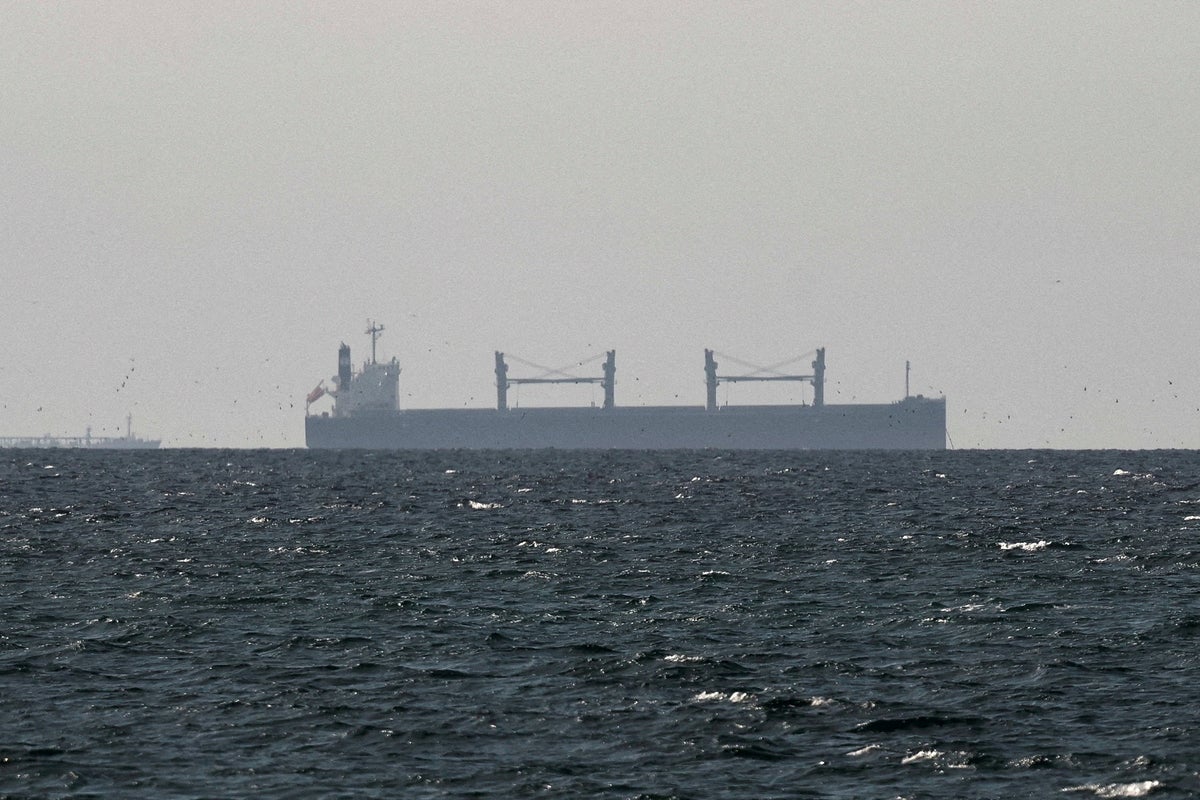
The weaponization of energy exports and the subsequent sanctions regimes have forced a rerouting of global trade flows. Oil that once moved short distances (e.g., Russia to Europe) now travels massive distances (e.g., Russia to India or China). This "shadow fleet" and the increased ton-mile demand for tankers have absorbed much of the world’s logistical slack.
- Inefficiency Costs: Every mile added to a barrel’s journey is an added cost in fuel, insurance, and time.
- The Loss of Buffer: In a fragmented market, "spare capacity" is no longer a global resource. If spare capacity sits in a nation that is under sanction or politically aligned against the West, that capacity effectively does not exist for the purposes of price stabilization in New York or London.
The 1973/1979 Comparison: A Quantitative Disconnect
Critics and executives comparing today to the 1970s often point to the "intensity" of the crisis, but the qualitative differences are more significant. In 1973, the world was less energy-efficient, but it had a clear path to new supply (the North Sea, Alaska). Today, the low-hanging fruit of global oil exploration is gone.
Furthermore, the 2002 comparison fails because that era was driven by a demand-side shock—the rapid industrialization of China. Today, we are facing a supply-side contraction simultaneous with a demand-side floor that is proving much stickier than anticipated. Despite the push for electrification, the absolute demand for hydrocarbons continues to rise in emerging markets, creating a "scissors effect" where supply curves shift left while demand curves shift right.
The Cost Function of Energy Transition
The transition to renewable energy, while necessary for long-term stability, is a source of short-term volatility. This is the "Energy Transition Paradox."
- Phase-out vs. Phase-in: The world is divesting from the old energy system faster than it is scaling the new one.
- Resource Competition: The massive amounts of energy required to mine the minerals for batteries and wind turbines must come from the current energy mix. High oil and gas prices actually increase the cost of building the "green" future, creating a feedback loop where energy scarcity delays the very solutions intended to fix it.
Strategic Implications for Capital Allocation
In this environment, the standard corporate strategy of "waiting for prices to stabilize" is a losing play. The volatility is not a bug; it is a structural feature of the current energy regime.
Institutional players must pivot toward energy resilience. This involves moving away from just-in-time energy procurement toward long-term off-take agreements and vertical integration. For heavy industry, the "energy cost" variable in the P&L must be treated as a volatile asset class rather than a utility expense.
The path forward requires a cold-blooded realization: we have exited a twenty-year period of energy abundance and entered a decade of energy scarcity. The winner in this macro environment will be the entity that secures physical molecules first and worries about the paper price second. The true crisis is not that oil is expensive; it is that the infrastructure to deliver it is becoming increasingly brittle, and the political will to repair it is non-existent. The strategic priority is no longer optimization—it is redundancy and security of supply.