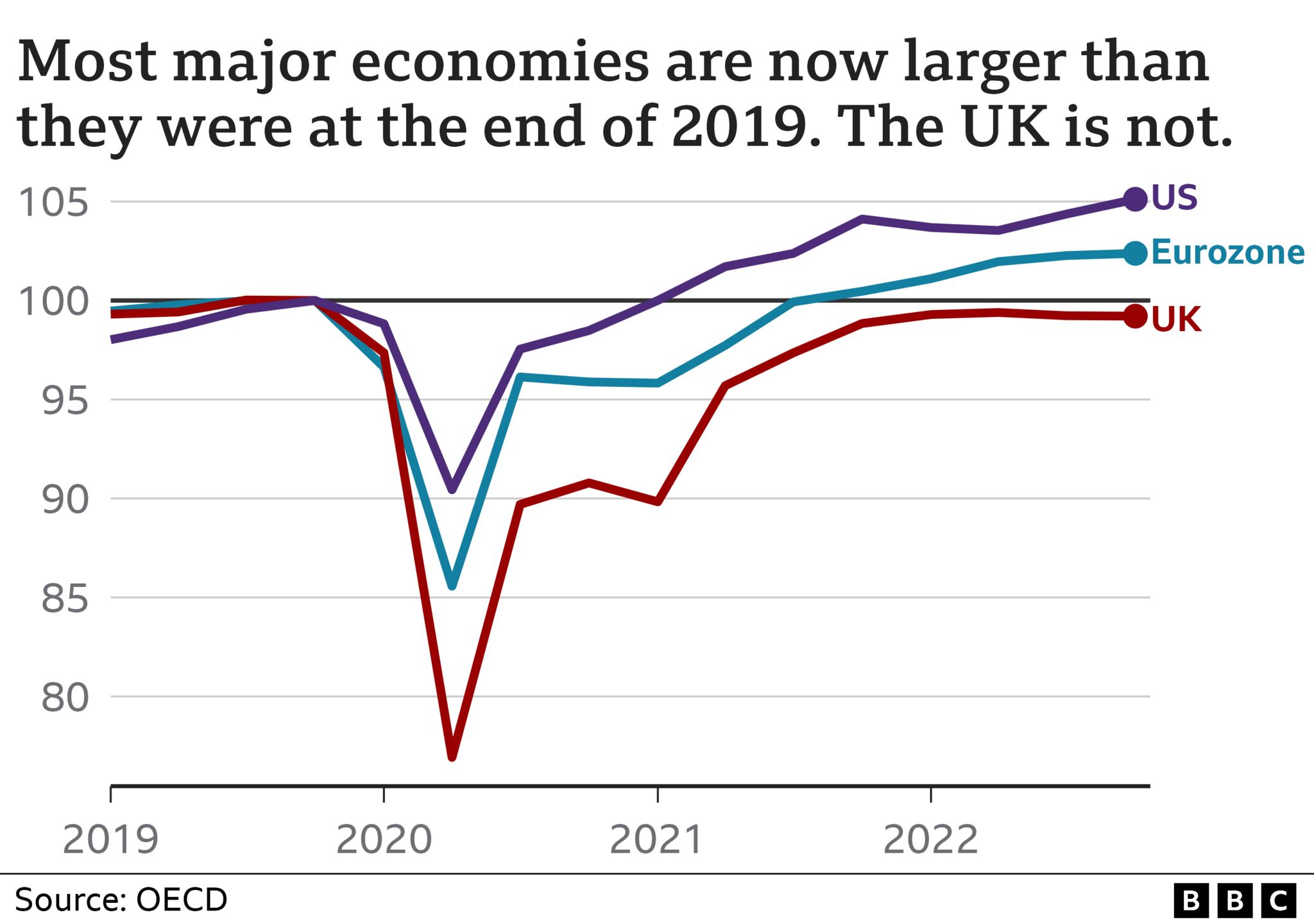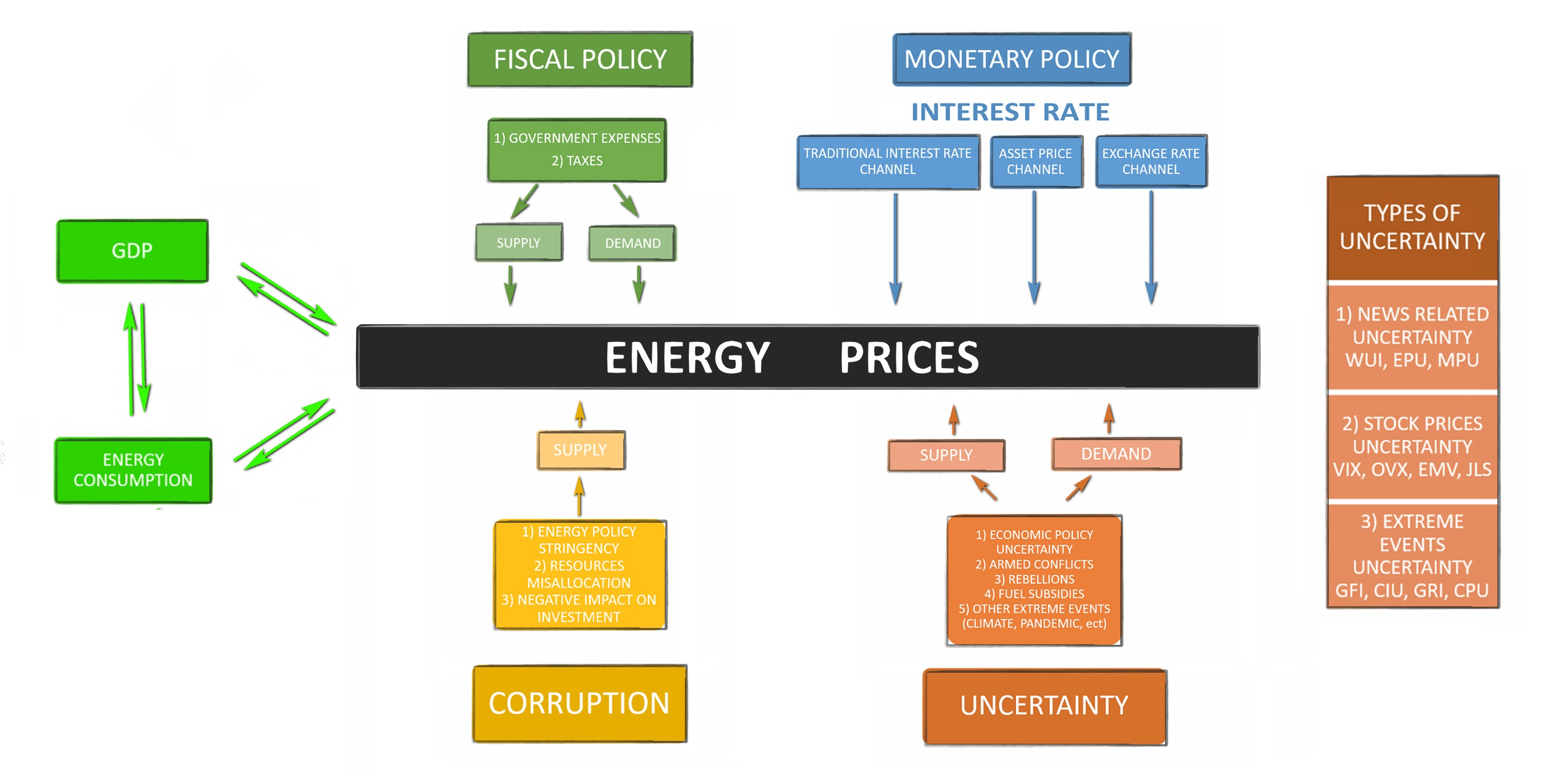
Macroeconomic stability relies on the fragile equilibrium between anchored inflation expectations and exogenous energy supply shocks. When crude oil prices escalate rapidly, central banks face an acute structural dilemma: accommodate the cost-push shock and risk unanchored long-term inflation, or tighten monetary policy to suppress demand while compounding an ongoing economic slowdown. The recent resurgence in global oil markets has reignited the debate surrounding the Bank of England monetary policy trajectory, forcing analysts to re-evaluate the transmission mechanism of imported energy inflation through the British economy.
To understand the mechanics of this renewed rate rise debate, one must deconstruct the primary channels through which energy shocks propagate across domestic markets.
The Three Transmission Channels Of Imported Energy Inflation
The macroeconomic impact of an oil price surge is not uniform; it diffuses through distinct economic veins at varying speeds.
- The Direct Consumer Price Channel: Refined petroleum products, home heating fuels, and electricity tariffs adjust almost immediately. This creates an immediate upward spike in headline inflation figures, directly eroding real disposable household incomes and dampening discretionary consumer spending.
- The Producer Cost-Push Channel: Energy is an indispensable intermediate input for manufacturing, logistics, chemicals, and agriculture. As production costs rise, firms face a margin-compression squeeze. They must either absorb the cost—eroding corporate profitability and equity valuations—or pass the burden downstream to consumers, generating persistent core inflation pressures.
- The Secondary Wage-Price Spiral Channel: As headline inflation climbs due to imported energy costs, workers demand higher nominal wages to compensate for the loss of purchasing power. If labor markets remain tight, firms accommodate these demands, embedding temporary supply-side shocks into permanent domestic wage-inflation dynamics.
The Cost Function Facing The Monetary Policy Committee
Monetary authorities operate under a rigid institutional mandate to maintain price stability, typically quantified as a symmetrical two percent consumer price index target. When an energy shock occurs, the central bank confronts a deeply constrained optimization problem.
Standard central banking models separate demand-driven inflation from supply-driven shocks. Traditional economic theory suggests that monetary policy should look through transient supply shocks because raising interest rates cannot increase the global supply of oil or lower extraction costs. Attempting to neutralize an energy shock entirely through aggressive monetary tightening risks inducing an unnecessarily severe recession.
However, the Bank of England cannot simply ignore oil surges if they trigger secondary effects. If inflation expectations become unanchored—meaning consumers and businesses begin to expect high inflation to persist indefinitely—the central bank loses its nominal anchor. In this scenario, inaction becomes costlier than tightening, forcing policymakers to raise interest rates even when economic growth is sluggish.
Evaluating The UK Macroeconomic Vulnerability
The vulnerability of the British economy to oil price volatility depends on specific structural indicators that dictate resilience or fragility.
- Net Energy Import Dependency: The United Kingdom remains a net importer of energy, meaning wealth continuously drains from the domestic economy to foreign oil producers during a commodity price surge. This generates a negative terms-of-trade shock, reducing national income.
- Labor Market Tightness: Wage growth persistence is the primary metric watched by the Monetary Policy Committee. If labor market slack is low, the probability of secondary wage-price feedback loops increases exponentially, raising the likelihood of a policy rate response.
- Financial Leverage and Mortgage Resets: Unlike fixed-rate mortgage markets prevalent in other jurisdictions, a substantial proportion of UK mortgages are on short-term fixes or variable rates. High interest rates transmit rapidly to household balance sheets, amplifying the contractionary impact of any monetary tightening cycle.
Strategic Operational Outlook
For corporate treasurers, institutional investors, and macroeconomic forecasters, navigating this environment requires moving away from binary predictions of rate cuts or hikes. Instead, decision-makers must monitor high-frequency leading indicators: monthly core inflation prints, corporate pricing intentions surveys, and average weekly earnings growth.
If energy prices remain elevated and pass-through metrics accelerate into core goods and services, the probability distribution shifts decisively toward a prolonged plateau or an incremental tightening of monetary policy. Risk management frameworks must therefore account for persistent higher-for-longer borrowing costs, tighter credit availability, and compressed corporate margins across energy-intensive sectors.