Dust settles differently when nobody is watching. On the ridges overlooking the fractured valleys, the wind carries the taste of salt and heated stone, scraping across rusted armor plates left behind in the quiet hours between patrols.
Numbers tell a specific kind of story. Cold. Unflinching. Records show that within a compressed span of operational pressure, forces aligned with the Yemeni state engaged in 1,298 distinct military actions against Houthi fighters. In the stark calculus of these confrontations, 440 combatants lost their lives, and 132 armored vehicles were reduced to burnt chassis and twisted steel.
Statistics function as a shorthand for chaos. Yet they erase the texture of the hours.
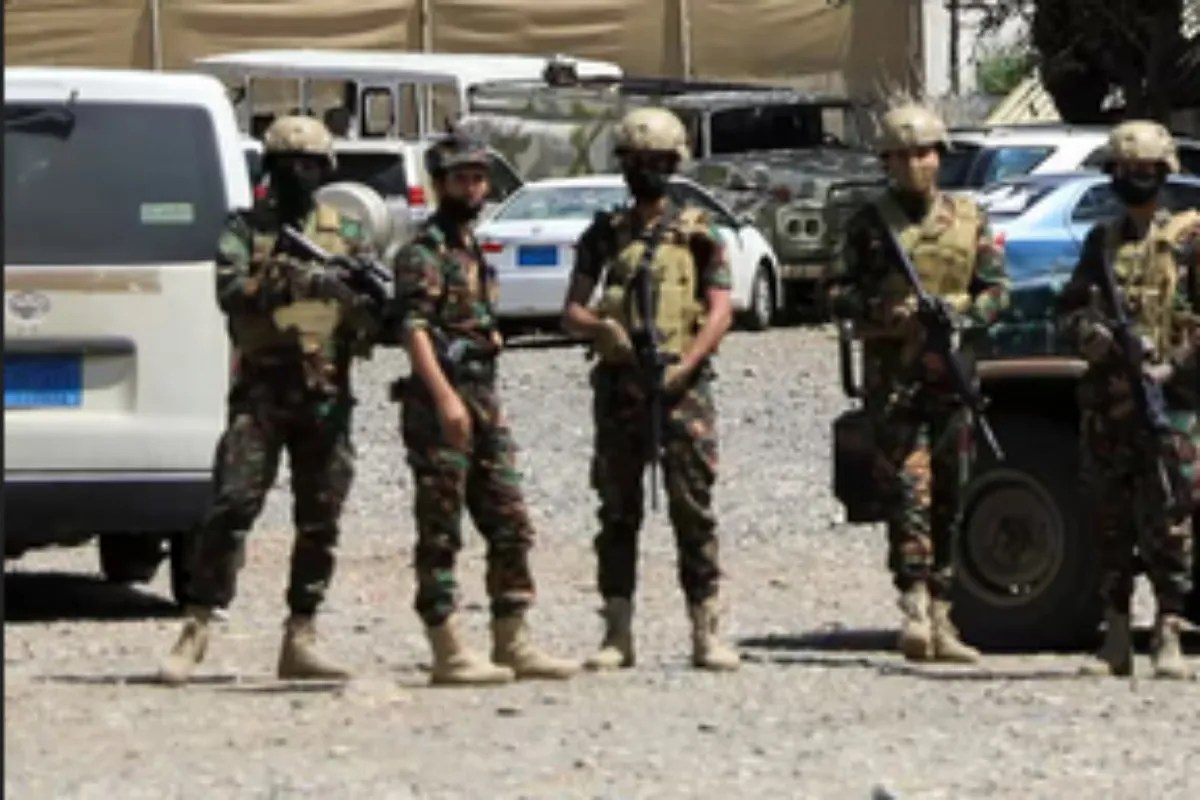
Consider a young soldier named Tariq, stationed on a ridge overlooking a vital supply artery. He is twenty-two, though the sun and lack of sleep have carved decades into the corners of his eyes. Every evening, as the violet shadows stretch across the wadis, he checks the pins on his radio and listens to the low, crackling static. The silence here is never peaceful. It hums with anticipation.
When an engagement begins, it rarely arrives with cinematic grace. It starts with a sharp, tearing sound that splits the dry air—the unmistakable crack of heavy weaponry echoing off canyon walls. Armor moves forward in the haze, iron grinding against rock, kicking up clouds of yellow dust that obscure the horizon. Tariq does not think about the grand geopolitical chess match. He thinks about the spacing between his squadmates, the weight of his boots, and whether the battery in his comms unit will hold until dawn.
The conflict in Yemen has churned for years, transforming ancient trade routes into contested zones where every mile is measured in burnt metal and shattered masonry. The 132 armored vehicles neutralized in these recent operations were not merely targets on a commander's spreadsheet. They were heavy, mobile fortifications designed to punch through defensive lines, carrying men and munitions deeper into contested territory. Stopping them required a grim, methodical dismantling of supply chains and frontline positions.
Look closer at the mechanics of endurance. Behind every reported engagement lies a logistical marathon. Water must be hauled up vertical goat tracks under the threat of surveillance drones. Medical supplies are rationed down to the last tourniquet. Morale is sustained not by grand speeches, but by shared pots of bitter tea brewed over small stoves fueled by scraps of dry scrub.
The human element remains perpetually caught in the machinery of strategy. Civilians living in the valleys below the outposts hear the distant thunder and pull their children closer, whispering stories of better years when the roads were open and markets brimmed with grain rather than anxiety. For them, the numbers—440 fighters neutralized, nearly thirteen hundred operations executed—translate directly to the rumble of engines at midnight and the constant, quiet prayer that the fighting stays on the ridge.
Conflict leaves scars that outlast the combatants. Iron rusts slowly under the desert sun, turning the color of dried blood before it finally flakes away into the earth. The craters left by heavy artillery fill with windblown sand, becoming shallow basins where hardy desert thorns eventually take root.
Tariq looks down at his hands, calloused and stained with grease and carbon. He wonders how long a hill can hold its breath before the weight of history pulls it down into the valley. There are no easy answers here. There is only the next patrol, the next shift on the radio, and the heavy, enduring quiet of the hills waiting for the sun to rise again.


