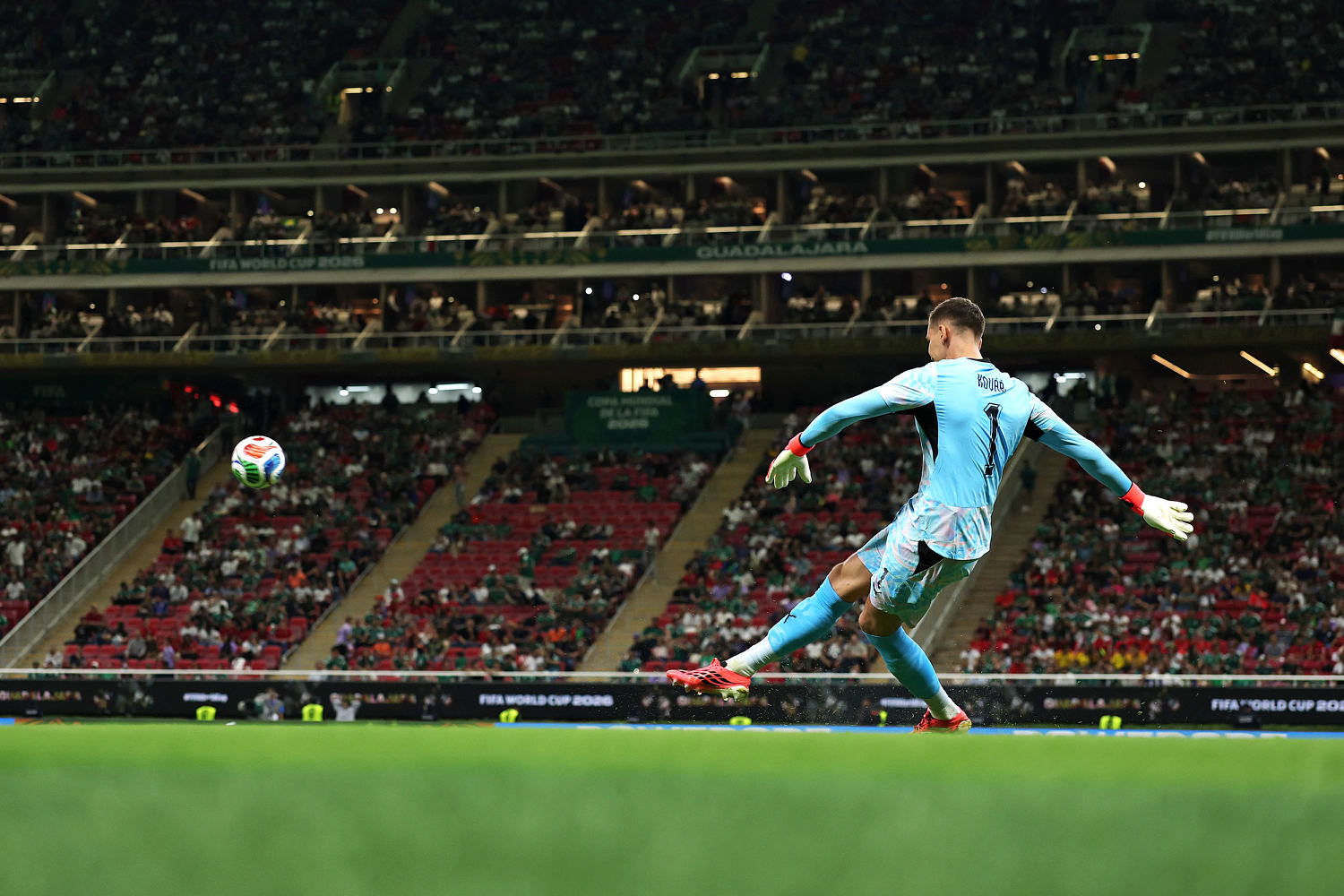
The collective gasp from journalists when the TV cameras pan across empty seats during a World Cup opening day match is entirely predictable. Right on cue, the legacy sports media rolls out the same tired narrative: Furious fans priced out by greedy corporate suits. They point to three rows of vacant, pristine plastic in the luxury tiers and declare football is dying.
It is a lazy, surface-level take.
The media loves a good populist outrage story, but the narrative that empty seats on day one equal a ticketing market failure is fundamentally wrong. I have spent years analyzing the commercial operations of major sporting events, negotiating corporate sponsorship allocations, and dissecting primary versus secondary ticket markets. Here is the reality: empty seats at a modern mega-event are rarely a sign of bad pricing. They are the inevitable, calculated exhaust of a highly sophisticated corporate hospitality machine and a rigid, institutionalized distribution system.
The stadium isn't empty because everyday fans cannot afford to get in. It is empty because the people who own those seats are currently drinking 20-year-old scotch in an air-conditioned VIP lounge three levels below the grandstand.
The Corporate No-Show Phenomenon
Let's dismantle the basic premise of the "ticket price crisis." FIFA and local organizing committees do not sell tickets the way a local theater sells tickets. They do not put 80,000 seats on a public website on a Tuesday morning and hope individual human beings buy them for cash.
The ticketing architecture of a World Cup is split into distinct tranches:
- The General Public Allocation: The seats actual fans fight for in stressful online lottery systems.
- The Member Association Allocation: Blocks of tickets handed over to national football federations, often distributed to internal stakeholders, local clubs, and political allies.
- The Commercial Affiliate Allocation: Massive chunks of premium seating handed over to tier-one sponsors, broadcast partners, and corporate hospitality providers.
When you see a block of empty seats in the lower or mid-tier bowls during an opening match, you are looking at the Commercial Affiliate and Member Association allocations.
Major corporations buy hospitality packages worth millions of dollars. These packages include premium match tickets, luxury hotel accommodations, five-star catering, and networking events. For these corporate clients, the actual football match is often secondary. It is a backdrop for high-stakes business deals.
On opening day, transport logistics are frequently a nightmare. VIPs get stuck in traffic moving from corporate galas to the venue. More often, they simply choose to stay inside the stadium’s climate-controlled hospitality suites during the first half, watching the match on a monitor while closing a contract. The seat in the stadium bowl remains technically "sold" and accounted for in the official attendance figures, but it stays empty.
Calling this a ticketing crisis is a complete misunderstanding of corporate sports marketing. The sponsor paid for the real estate. Whether their client chooses to sit in it for 90 minutes is irrelevant to the bottom line.
The Flawed Premise of Dynamic Pricing Outrage
Every time ticket prices rise, the public demands a return to flat-rate, accessible pricing. The argument goes that if FIFA just capped ticket prices at $50, every stadium would be packed to the rafters with die-hard local supporters.
This is basic economic illiteracy.
If you price a World Cup ticket significantly below its true market value, you do not solve the problem of access. You simply transfer the profit from the event organizer to illicit scalpers and automated ticket bots.
Imagine a scenario where opening match tickets are capped at a flat, hyper-affordable rate. Demand stays exactly the same—millions of people want to get into the stadium. The primary ticketing site crashes immediately. Within seven minutes, 95% of those underpriced tickets are sitting on secondary exchange platforms like Viagogo or StubHub, marked up by 800%.
High primary ticket pricing is actually a mechanism to claw back that value from the black market. It ensures the revenue generated by the event stays within the football ecosystem rather than lining the pockets of professional ticket touts.
"Underpricing tickets does not democratize access; it merely subsidizes the secondary scalping market at the expense of the sport's governing body."
The real structural issue is not the price tag on the ticket. It is the friction in the secondary transfer market. FIFA notoriously restricts the legal resale of tickets close to match day through clunky, proprietary apps. If a fan in a member federation gets sick or misses a flight 24 hours before kickoff, the bureaucratic hurdles required to legally transfer that ticket to a local fan outside the gate are immense. The seat dies because the system is too rigid to allow rapid, last-minute liquidity.
Why Full Stadiums Are Overrated by Executives
There is a sacred myth in sports journalism that a full stadium is the ultimate metric of a successful event. It looks great on TV. It creates "atmosphere."
To a cold-eyed chief financial officer, a stadium that is 100% full might actually mean money was left on the table.
Maximizing yield is a delicate balancing act. If you price tickets perfectly to ensure every single seat is occupied, you have likely undercharged your highest-value consumers. A stadium that is 95% full but has extracted maximum revenue from corporate VIPs, premium tourists, and high-tier hospitality packages generates significantly more money to fund youth development, infrastructure, and women's football global initiatives than a 100% full stadium filled with subsidized tickets.
| Metric | Subsidized "Packed House" Model | High-Yield Corporate Model |
|---|---|---|
| Ticket Revenue | Moderate / Capped | Maximized |
| Corporate Spend | Under-utilized | Peak Optimization |
| Broadcast Appeal | High (Visual atmosphere) | High (Prestige positioning) |
| Local Accessibility | High | Low |
| Economic Sustainability | Fragile | Resilient |
The downside to this high-yield approach is obvious: it alienates the traditional working-class fanbase. I am not denying the cultural cost of turning football into a corporate playground. It strips away the raw, authentic passion that made the sport valuable in the first place. But from a pure business operations perspective, empty corporate seats are a feature of a highly profitable system, not a bug.
The Media's Selective Blindness
Why does the media focus so heavily on ticket prices when they see empty seats? Because it is an easy narrative that requires zero investigative effort. It connects directly to the broader, valid anxieties people have about inflation and the cost of living.
But notice what they don't talk about. They rarely analyze the local transport failures that kept thousands of ticket holders stranded at transit hubs miles from the stadium at kickoff. They don't look at the massive security cordons that turn a two-minute walk into a two-hour maze, causing fans to miss the entire first half. They ignore the fact that thousands of seats are rendered unusable by broadcasters blocking sightlines with camera rigs—seats that are marked as "unsold" or "empty" but were never actually available to human beings to begin with.
Stop asking why the tickets are so expensive. Start asking why the distribution channels are so broken.
If a football federation gives 5,000 tickets to a diplomatic partner or a regional sponsor who treats them as disposable garbage, that is an allocation failure, not a pricing failure. The fix isn't to slash ticket prices for the next match. The fix is to strip federations and sponsors of their allocations if they fail to fill their designated zones, returning those seats to a dynamic, real-time public marketplace that operates up until the 15th minute of the match.
But that requires structural reform and technological agility. It requires breaking contracts with powerful corporate allies. It is far easier for everyone involved to just blame the price tag, write a lazy op-ed, and pretend the stadium is empty because real fans are broke.
Real fans aren't broke. They are outside the stadium gates, cash in hand, locked out by a rigid distribution system that would rather let a seat sit empty than admit its corporate hospitality model prioritizes revenue over eyeballs.