The Weight of Waiting
The coffee at Gate 23 tastes like warm metal and burned ambition.
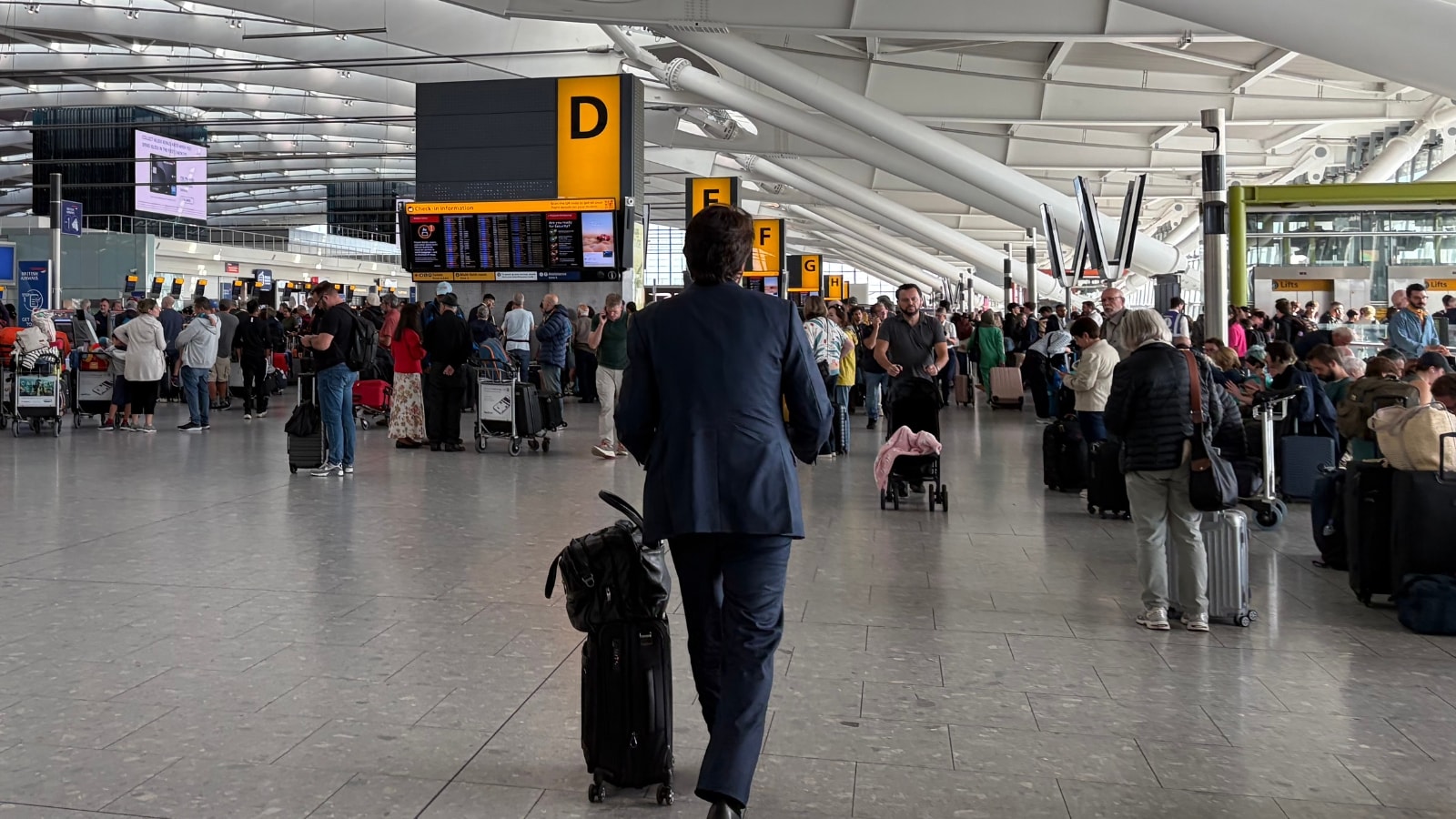
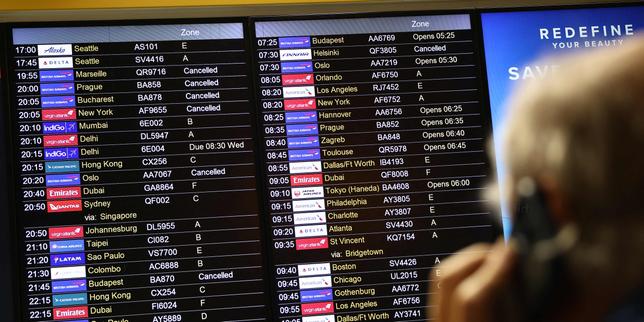
It is three in the morning, and the departure board glows with a relentless, rhythmic cruelty. Every few minutes, a mechanical click echoes through the terminal as another white letter flips to amber, shifting a departure time forward by another hour, then another, then another into the gray blur of tomorrow.
Elena clutches her passport until her knuckles turn white. She is supposed to be in Jakarta by breakfast. Her father is in a hospital room where the monitors beep in a flat, exhausting cadence, and every tick of the clock feels like sand slipping through fingers she cannot close. But Jakarta is silent. Jakarta is closed.
Thousands of miles away, beneath a shroud of sulfur and silence, the earth cleared its throat.
When a volcano erupts, the initial explosion gets the headlines. The fire. The roar. The terrifying plume of dark glass blasting into the stratosphere. But long after the television cameras pack up and move to the next catastrophe, the real misery begins. It lingers in the upper atmosphere, invisible to the naked eye, drifting on high-altitude jet streams like an army of microscopic razors.
Jet engines do not negotiate with volcanic ash.
To a passenger sitting comfortably in cabin pressure, an engine looks like a marvel of modern engineering, a gleaming titanium tube capable of turning kerosene into thrust. To a pilot, that same engine is a high-temperature kiln. When microscopic silicate particles—shattered glass, essentially—are sucked into a turbine operating at over one thousand degrees Celsius, they melt. They coat the internal blades, choke the cooling vents, and suffocate the fire within.
Silence at thirty thousand feet is not an option.
And so, the Hong Kong agencies issued their warnings. Flight delays stretched from hours into days. Cathay Pacific and other regional carriers blinked, grounded their birds, and watched their schedules dissolve into chaos.
The Anatomy of an Invisible Wall
We are a species obsessed with speed. We map our lives by the four-hour flight, the weekend getaway, the urgent Monday morning meeting across a sea. We treat the sky as a paved highway, a frictionless corridor where distance is merely an inconvenience to be conquered by turbine power.
Then nature reminds us who owns the lease.
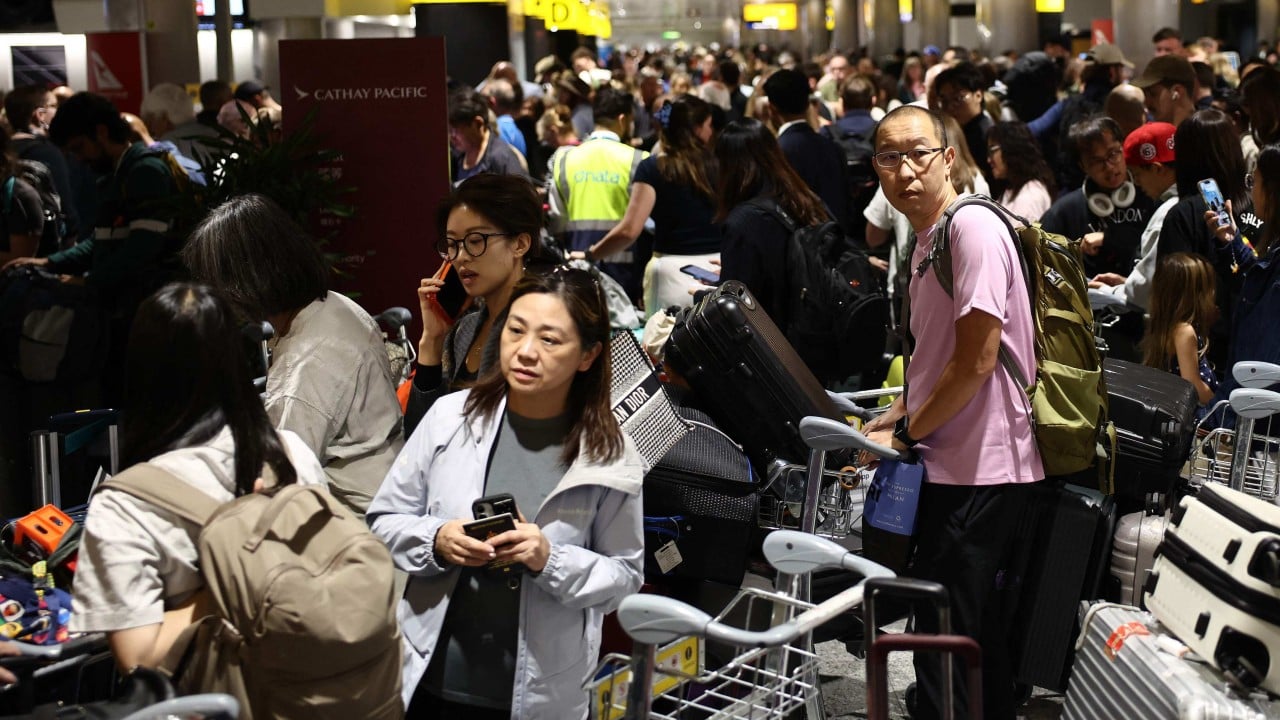
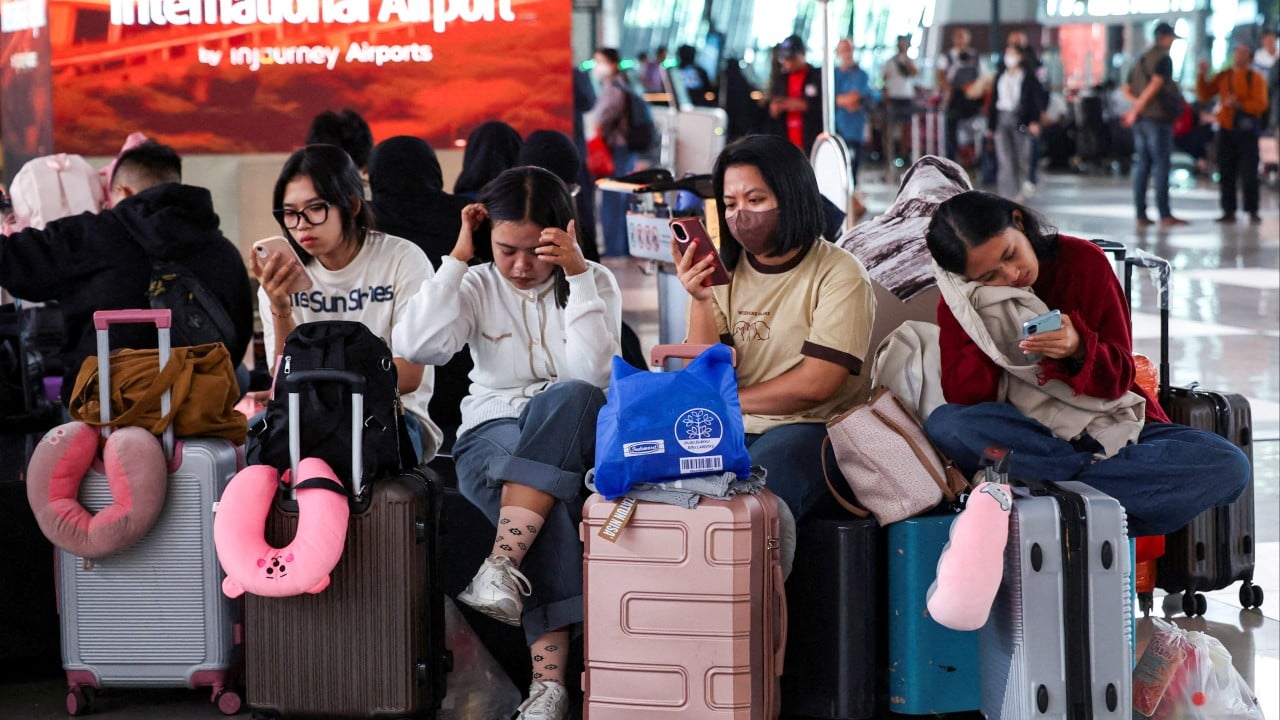
Consider what happens next in a stranded terminal: the collective groan of a thousand tired travelers, the frantic tapping on smartphones as people try to rebook tickets on airlines that have nothing left to sell, the low hum of anxiety in the air.
(Note: This scene of terminal chaos is a composite illustration of typical passenger reactions during extended regional flight disruptions.)
Travel agents in Central and Tsim Sha Tsui woke up to phones ringing off the hook. Travel insurance desks became battlegrounds of fine print. People stared at flight tracking apps, watching little digital planes circle endlessly over the South China Sea, burning fuel they didn't have, waiting for an all-clear that meteorologists were too cautious to grant.
Volcanic ash does not respect airline alliances. It does not care about your business trip, your wedding anniversary, or your dying father. It drifts. It spreads. It forces aviation authorities to make a brutal calculation: err on the side of caution and strand thousands, or gamble with human lives to keep the commerce moving.
They always choose caution. They have to.
The Human Cost of the Grounded Fleet
We rarely talk about the collateral damage of a delayed flight. We talk about quarterly earnings reports for airlines, or disrupted tourism metrics, or cargo bottlenecks.
We rarely talk about Elena.
She finally finds a corner of the terminal floor near an outlet, her phone dying, her spirit lower than the battery percentage. She calls her sister in Jakarta. The connection breaks up, routing her voice through a digital stutter before cutting out entirely. Static. Just like the airspace.
There is a profound loneliness to being stuck in transit. You are neither here nor there. You belong to no city, no schedule, no destination. You exist in a bureaucratic purgatory of duty-free shops and overpriced sandwiches, waiting for someone in an office far away to look at satellite data and decide your fate.
Hong Kong International Airport is one of the most efficient machines on the planet. Millions of passengers flow through its veins every month with clockwork precision. Yet, when Mount Ruang or similar regional titans belch their fury into the sky, that magnificent machinery grinds to a halt. It humbles us. It strips away our illusion of absolute control.
The Slow Return to the Clouds
By late afternoon, the wind shifts.
Satellites high above the equator pick up the dispersion patterns. Meteorologists run new computer models. The ash plume, once a dense wall of airborne hazards, begins to thin out, shearing into wispy, harmless filaments over the ocean.
The airlines send up test flights. Pilots wearing oxygen masks and peering through reinforced windshields fly into the upper atmosphere to check for the telltale sulfuric scent and microscopic grit.
They report back. The skies are clearing.
At Gate 23, the board clicks again. Not amber this time. Green. Boarding.
Elena stands up, her joints stiff, her eyes burning with exhaustion. She shoulders her backpack, the heavy canvas strap digging into her shoulder like an old friend. She joins the slow, shuffling queue of humanity moving forward down the jet bridge.
Outside, the tarmac shimmers in the humid subtropical heat. A wide-body jet sits waiting, its turbines quiet, its wings gleaming under the fading Hong Kong sun, ready to punch a hole through the sky and finally cross the water to where the monitors beep in the dark.