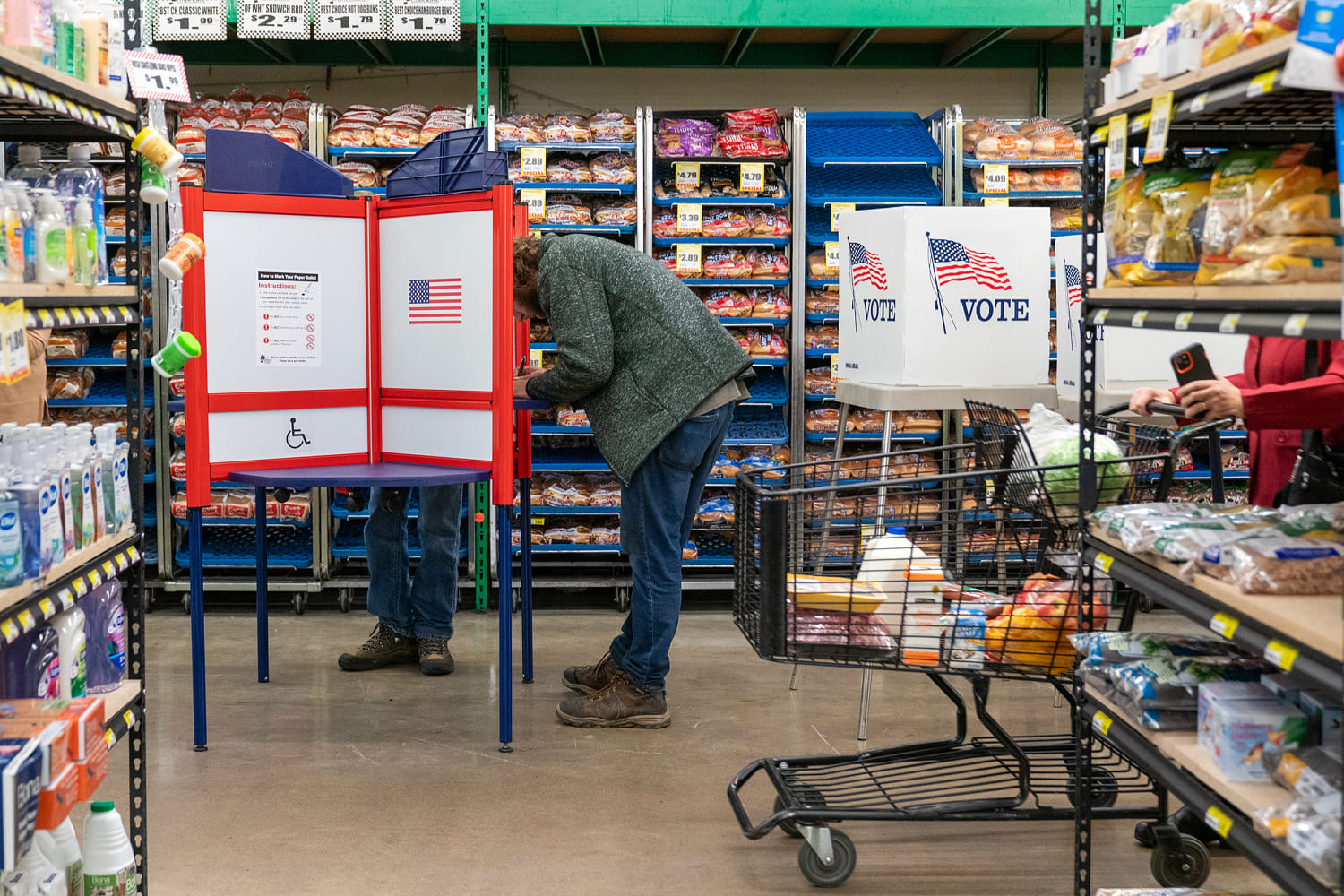
Voters delivered a clear mandate for lower living costs in the recent election cycle, rewarding Democratic candidates who campaigned relentlessly on bringing down prices for housing, groceries, healthcare, and energy. Yet winning an election on an economic message is vastly simpler than reversing decades of structural inflation and supply bottlenecks. Delivering true affordability requires untangling complex supply chains, overcoming entrenched local zoning laws, and navigating a divided legislative branch where ambitious spending bills face immediate gridlock. For the incoming coalition, the gap between campaign trail promises and tangible kitchen-table relief represents the defining political test of their tenure.
The Anatomy of a Campaign Promise
Campaigns thrive on clarity. Governing drowns in nuance. When candidates stood on podiums over the past twelve months, the message was distilled into punchy, memorable soundbites: stop corporate price gouging, build millions of new homes, cap prescription drug costs, and lower utility bills. That framing worked because it validated a visceral, daily frustration felt by working- and middle-class families across the country. People saw their paychecks stretch thinner at the checkout counter and watched starter homes drift entirely out of reach.
The problem lies in the mechanics of those solutions. Most of the forces driving up the cost of living do not respond to executive orders or federal decrees. A president or a congressional majority cannot simply pass a law declaring rent cheaper without triggering severe secondary consequences, such as a collapse in new construction.
Consider how inflation actually operates in the modern economy. While the headline rate of inflation cooled significantly from its post-pandemic peaks, prices did not return to 2019 levels. They simply stopped rising as fast. For the average household, a two percent annual inflation rate stacked on top of a twenty percent cumulative jump over the previous four years still feels like an ongoing crisis. Voters were not necessarily asking for disinflation; many were hoping for deflation—a literal rollback of prices to what they used to pay for eggs, insurance, and rent. Economics rarely grants that wish without causing a painful recession.
The Housing Trap and Local Resistance
Nowhere is the collision between national rhetoric and local reality more visible than in the housing market. Democratic platforms heavily emphasized down payment assistance for first-time buyers and federal incentives to spur new construction. On paper, helping a young family scrape together twenty-five thousand dollars for a down payment sounds like pure, unadulterated relief.
In practice, subsidizing demand in a market starved of supply acts like pouring gasoline on a fire. If ten buyers are bidding on the same three-bedroom house in a desirable school district, giving all ten buyers an extra twenty-five thousand dollars does not get more people into homes. It simply bids up the final sale price of that single house by twenty-five thousand dollars. The seller pockets the federal subsidy, and affordability remains unchanged.
To actually lower housing costs, the nation needs millions of additional units built where people want to live and work. Yet the federal government does not control land-use policy. City councils, county boards, and neighborhood associations hold the keys to the kingdom.
- Exclusionary zoning laws across thousands of municipalities still mandate single-family detached homes on large lots, outlawing duplexes, triplexes, and mid-rise apartments.
- Environmental review processes are routinely weaponized by wealthy homeowners to stall or kill high-density developments near transit hubs.
- Impact fees and permitting delays add tens of thousands of dollars to the cost of every new unit before a single shovel hits the dirt.
Even progressive voters who enthusiastically backed the national affordability platform often turn fiercely protective of their own neighborhood character the moment a multi-family apartment complex is proposed down the block. Washington can dangle carrots—tying federal transportation and infrastructure grants to local zoning reform—but forcing suburban towns to upzone their neighborhoods is a slow, trench-warfare battle that takes years to yield actual rooftops.
The Grocery Aisle Illusion
During the campaign, corporate consolidation and supermarket profit margins became prime targets. Proposals to enact federal bans on price gouging in the food sector polled remarkably well. The narrative was straightforward: giant conglomerates were padding their bottom lines under the cover of supply chain disruptions, and aggressive antitrust enforcement would bring grocery bills back down to earth.
A closer look at the balance sheets of major food retailers complicates that story. Traditional grocery stores operate on razor-thin net profit margins, typically hovering between one and three percent. Even during the height of recent inflationary spikes, while certain food manufacturers and meatpackers saw notable margin expansion, the underlying drivers of higher food costs were deeply structural.
Labor shortages in agriculture and food processing pushed wages higher—a positive development for workers, but one that inevitably passes through to retail prices. Extreme weather events, from droughts in the Midwest to diseases hitting poultry flocks and citrus groves, repeatedly constrained supply. Furthermore, commercial real estate costs, packaging materials, and diesel fuel for freight all saw permanent step-changes in pricing.
Cracking down on anti-competitive mergers—such as blocking massive supermarket consolidations—can prevent future price hikes and protect regional competition. Regulatory scrutiny of algorithmic pricing software used to coordinate rent or retail prices is equally valid. However, expecting antitrust lawyers at the Department of Justice or the Federal Trade Commission to noticeably lower the cost of a weekly family grocery run within a single legislative session misunderstands what regulatory enforcement can achieve.
Healthcare and the Hidden Cost Shifting
Healthcare affordability remains a perennial cornerstone of Democratic policy, largely focused on expanding subsidies for marketplace plans, capping out-of-pocket costs for seniors, and allowing Medicare to negotiate prices on a broader list of high-cost prescription drugs. These policies deliver concrete, measurable savings to millions of specific beneficiaries. A senior citizen paying thirty-five dollars a month for insulin instead of four hundred dollars experiences immediate, life-changing affordability.
Yet the broader American healthcare apparatus operates like a giant waterbed: push down costs in one corner, and pressure bulges out somewhere else.
When government programs cap reimbursement rates or negotiate lower drug prices, pharmaceutical manufacturers and hospital systems frequently compensate by raising prices on the commercial insurance market. Employers, facing double-digit premium increases from insurers, pass those costs directly onto workers in the form of higher deductibles, steeper co-pays, and stagnant wage growth. A worker might get a three percent raise on paper, only to watch half of it vanish into higher family health insurance deductions.
Addressing the root causes of medical inflation requires confronting powerful industry lobbies that span hospital conglomerates, pharmacy benefit managers, and medical device makers. Reforming how pharmacy benefit managers operate—the middlemen who negotiate drug rebates and often pocket a massive spread—has bipartisan support in theory, yet legislative efforts repeatedly bog down in technical disputes and intense lobbying campaigns.
The Energy Transition Paradox
Energy costs sit at the foundation of the entire economy. Every manufactured good, every crate of produce, and every service relies on electricity and fuel. Here, the Democratic affordability agenda faces an acute internal tension between long-term climate goals and short-term utility bills.
Wind and solar generation have become remarkably cheap on a levelized cost basis, and tax credits from recent climate legislation have unleashed a wave of clean energy investment. Over a ten- to twenty-year horizon, transitioning away from volatile fossil fuel markets promises more stable, predictable power costs.
The immediate reality on the electrical grid is far messier. Rapidly retiring coal and older natural gas plants before sufficient battery storage and high-voltage transmission lines are built creates reliability gaps. Simultaneously, electricity demand is surging for the first time in decades, driven by massive artificial intelligence data centers, domestic manufacturing reshoring, and the gradual adoption of electric vehicles and heat pumps.
Utility companies are spending tens of billions of dollars upgrading aging grid infrastructure and hardening lines against wildfires and severe storms. State utility regulators routinely allow these companies to pass those capital expenditures directly onto ratepayers. As a result, families in states leading the clean energy transition have often watched their monthly electric bills climb steadily, even as wholesale renewable energy prices fall. Permitting reform—making it faster to build both clean energy projects and natural gas pipelines—is essential to prevent energy bottlenecks, yet it fractures the Democratic coalition between environmental purists and pragmatic industrialists.
The Fiscal Guardrails and Bond Market Reality
Perhaps the greatest constraint on delivering affordability is the macroeconomic environment itself. During the previous decade, near-zero interest rates allowed the federal government to borrow trillions of dollars with minimal debt-service costs. Those days are over.
With the national debt exceeding thirty-five trillion dollars and annual interest payments rivaling the entire defense budget, the bond market acts as a strict disciplinarian. If lawmakers pass massive, unfunded spending packages or sweeping new tax credits aimed at subsidizing consumer costs, bond yields will rise. Higher Treasury yields directly translate into higher mortgage rates, higher auto loan rates, and higher credit card APRs.
Imagine a hypothetical scenario where Congress passes a sweeping fifty-billion-dollar housing affordability package funded entirely through deficit spending. If that fiscal expansion spooks bond investors and pushes the average thirty-year fixed mortgage rate up by just half a percentage point, the resulting increase in monthly payments for new buyers would completely wipe out the benefit of the government subsidy.
To avoid triggering monetary pushback from the Federal Reserve or bond vigilantes, any new affordability initiatives must be paid for through offsetting tax increases or spending cuts elsewhere. Raising corporate taxes or taxes on high earners is a standard Democratic prescription, but doing so requires unified control of Congress and zero defections from moderate members representing swing districts.
Where Real Leverage Actually Exists
If sweeping federal subsidies risk fueling inflation and local zoning boards resist change, where can policymakers actually move the needle on the cost of living? The most effective levers are often unglamorous, regulatory, and structural rather than flashy spending bills.
Permitting and Regulatory Streamlining
Cutting the red tape required to build physical infrastructure is one of the few policies that expands supply without exploding the deficit. Shortening the timeline for environmental reviews under the National Environmental Policy Act from five years to two years would dramatically reduce financing costs for clean energy projects, transmission lines, and transit expansions. Lower capital costs for builders eventually filter down into lower utility rates and more accessible housing.
Attacking Junk Fees and Junk Insurance
Aggressive rulemaking against hidden fees—from bank overdraft charges and credit card late fees to resort fees and concert ticket surcharges—puts real cash back into consumer pockets without distorting broader supply and demand. Similarly, cracking down on predatory medical debt reporting and junk short-term health plans protects families from sudden financial ruin.
Vocational Training and Trade Expansion
A massive driver of high construction and repair costs is a severe shortage of skilled tradespeople. Plumbers, electricians, HVAC technicians, and framing carpenters are retiring faster than they are being replaced. Redirecting federal education funding away from purely four-year academic tracks and aggressively subsidizing union apprenticeships and community college trade programs directly attacks labor bottlenecks in the housing and energy sectors.
Tariff Restraint
Trade policy directly impacts retail prices. Maintaining or expanding broad tariffs on imported building materials, consumer goods, and clean energy components acts as a direct regressive tax on working families. Targeted tariffs to protect critical national security industries make strategic sense, but sweeping duties on lumber, steel, and everyday household goods guarantee higher prices at the register.
The Political Clock Is Ticking
Voters possess notoriously short patience when it comes to their wallets. Macro-level economic indicators—GDP growth, unemployment rates, stock market highs—mean very little to a family paying forty percent more for auto insurance and thirty percent more for groceries than they did a few years ago.
The political danger for Democrats is falling into the trap of explaining why the economy is actually doing great according to aggregate data while voters feel squeezed in their daily lives. Dismissing voter anxiety as a messaging problem or a failure to appreciate statistical trends is a guaranteed path to losing the next election cycle.
At the same time, overpromising quick fixes sets up an inevitable backlash when prices fail to drop overnight. True affordability cannot be conjured by a bill-signing ceremony in the Rose Garden; it has to be built brick by brick, kilowatt by kilowatt, through years of relentless supply-side reform and regulatory discipline.