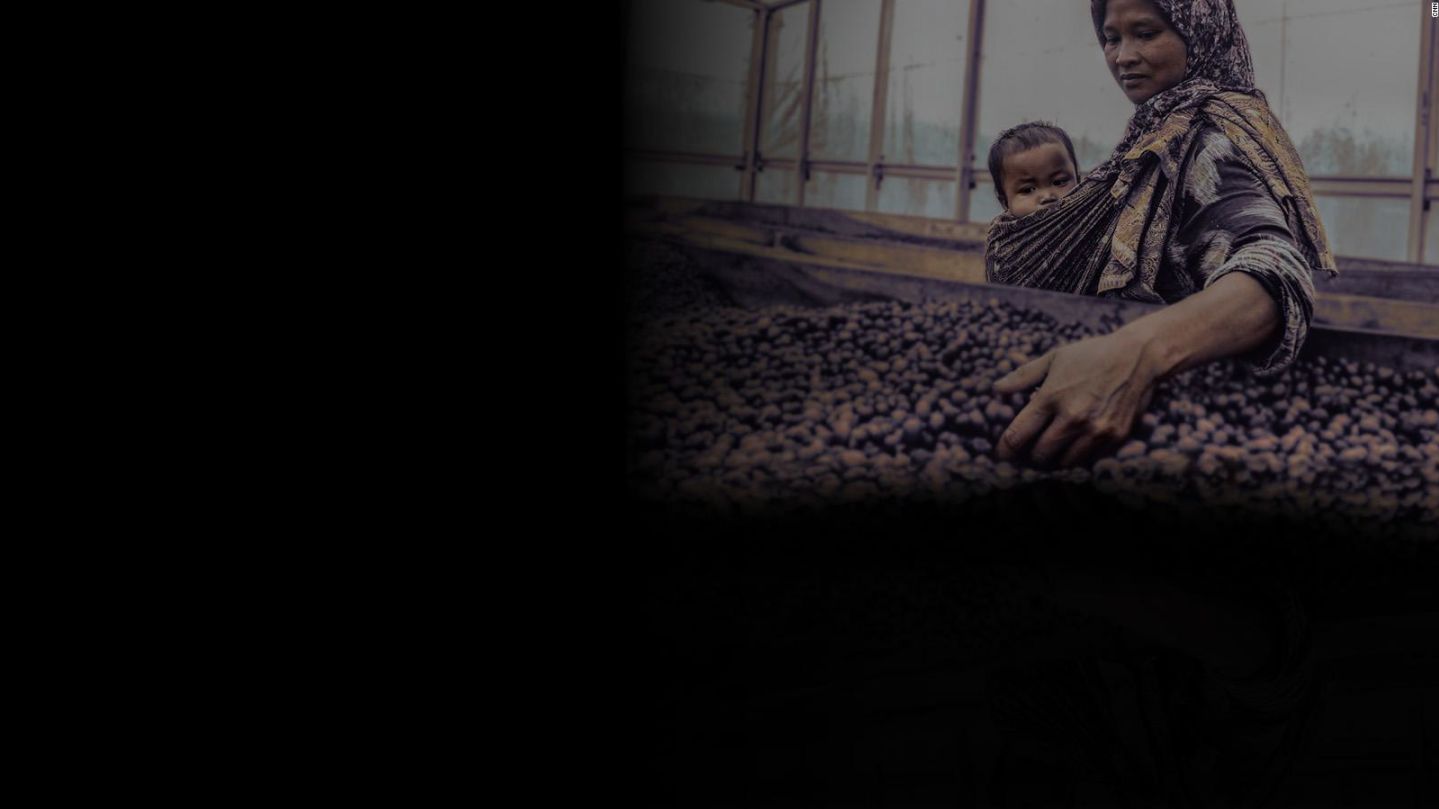
Sunita wakes before the dawn. In her small home on the outskirts of Ahmedabad, the first order of business isn't tea or prayer. It is the fan. When the grid hums, the room breathes. When it dies—as it does more frequently now—the heat settles like a physical weight, thick and unyielding.
She doesn’t know the complexities of global energy markets. She doesn't know that three thousand miles away, a conflict in a place she has never visited is rippling through the tankers and the cables that keep her world turning. She only knows the silence of the ceiling fan and the rising cost of the coal-fired electricity that keeps it spinning.
India, a nation caught in the frantic, beautiful, and sometimes terrifying sprint toward a greener future, is discovering that sustainability is not merely a technical challenge. It is a fragile, geopolitical tightrope. We have spent years dreaming of solar farms stretching across the Thar Desert, believing that if we simply laid down enough glass and silicon, we could disconnect from the volatile pulse of global fossil fuel dependency.
But war has a way of exposing the seams in our logic.
(Hypothetically, let’s consider the anatomy of a blackout. It is rarely the fault of a single broken wire. It is a cumulative failure. A surge in demand. A shortage of imported liquefied natural gas. A supply chain hitch. When international prices for these fuels spike because of regional instability, the local utility providers don't just lose money; they lose the capacity to move electrons.)
The transition to renewables is often framed as a clean, inevitable ascent. We talk about megawatts and carbon credits. We talk about capacity factors. We ignore the shadow of the interim.
The reality is that India’s energy sector is currently a house undergoing a massive renovation while the residents are still inside. We are pulling out the old wiring of coal-fired power stations to make room for the smart, digitalized systems of a renewable-heavy future. But the new walls aren't up yet. We are living in the studs.
During times of international upheaval, when the cost of coal and gas skyrockets, the "gaps" in the push become craters. It is not that solar and wind are failing; it is that they are not yet enough to carry the full weight of a developing nation’s ambitions. The grid remains stubbornly tethered to the very things we are trying to escape. When global supply chains tighten, the price of the "bridge fuel"—natural gas—becomes prohibitive. The utilities, bleeding cash, simply cut the power.
Consider the irony. We invest billions in clean tech, yet when the prices of imported fuels soar, we find ourselves frantically burning more coal just to keep the lights from failing completely. It is a feedback loop of necessity.
I remember the first time I realized how deeply vulnerable the system truly was. It wasn't a policy paper or a headline. It was a factory owner I met in Pune. His machines were cutting-edge, his vision for a sustainable workshop was commendable, but his business was failing. Not because of a lack of orders. Because of the "unplanned outages." Every hour the power vanished cost him thousands in wasted material and idle labor. He wasn't anti-green. He was desperate. He was forced to install a diesel generator—a loud, choking, archaic machine—just to survive the gap between his green dreams and the reality of a buckling grid.
This is the human cost of the transition. It is the cost of living in the gap.
The strategy, as it stands, is to build faster. Storage. Batteries. Interconnection. These are the technical answers, and they are correct. Yet, they miss the behavioral, human-centric reality of the interim. If the cost of the transition—the volatility, the price spikes, the unpredictability—falls primarily on the shoulders of people like Sunita and the factory owner in Pune, the social contract of the green transition begins to fray.
If people feel that "going green" is synonymous with "unreliable service" and "rising costs," the political will for the shift will evaporate. Energy security is not just about having enough power; it is about the certainty of that power.
We often treat the grid as an abstract utility, something that exists somewhere else, managed by people we never meet. But the grid is the literal heartbeat of modern life. When that heart misses a beat, the effects aren't distributed evenly. The wealthy buy batteries and solar panels for their rooftops, effectively seceding from the struggle. The rest of the nation waits, watching the sky, waiting for the flicker to return.
The lesson being written in real-time is that you cannot simply subtract the old without ensuring the new is robust enough to carry the burden. Relying on global spot markets for bridge fuels, while simultaneously trying to overhaul the generation mix, is a bet that the world will stay calm.
The world is rarely calm.
If we want this shift to hold, the conversation must change. We have to stop selling the transition as a painless, frictionless evolution. It is a war, of sorts, against our own limitations. It requires immense storage, it requires a grid that can handle the erratic, beautiful, and volatile nature of the wind and the sun, and it requires us to stop pretending that we can afford to let the poor carry the weight of our national transformation.
We need to stop looking at energy policy as a ledger of megawatts and start viewing it as a foundation for dignity. Every time the lights go out, it isn't just a failure of a turbine or a coal supply. It is a failure of our promise to those who need the power most.
Sunita is still waiting for the fan to turn back on. She doesn't need a lecture on the intricacies of energy policy. She needs the hum of the grid. She needs the certainty that when she flips the switch, the world will answer. Until we can guarantee that, the sun-drenched dreams of a clean future will remain, for many, just another flickering promise in the dark.