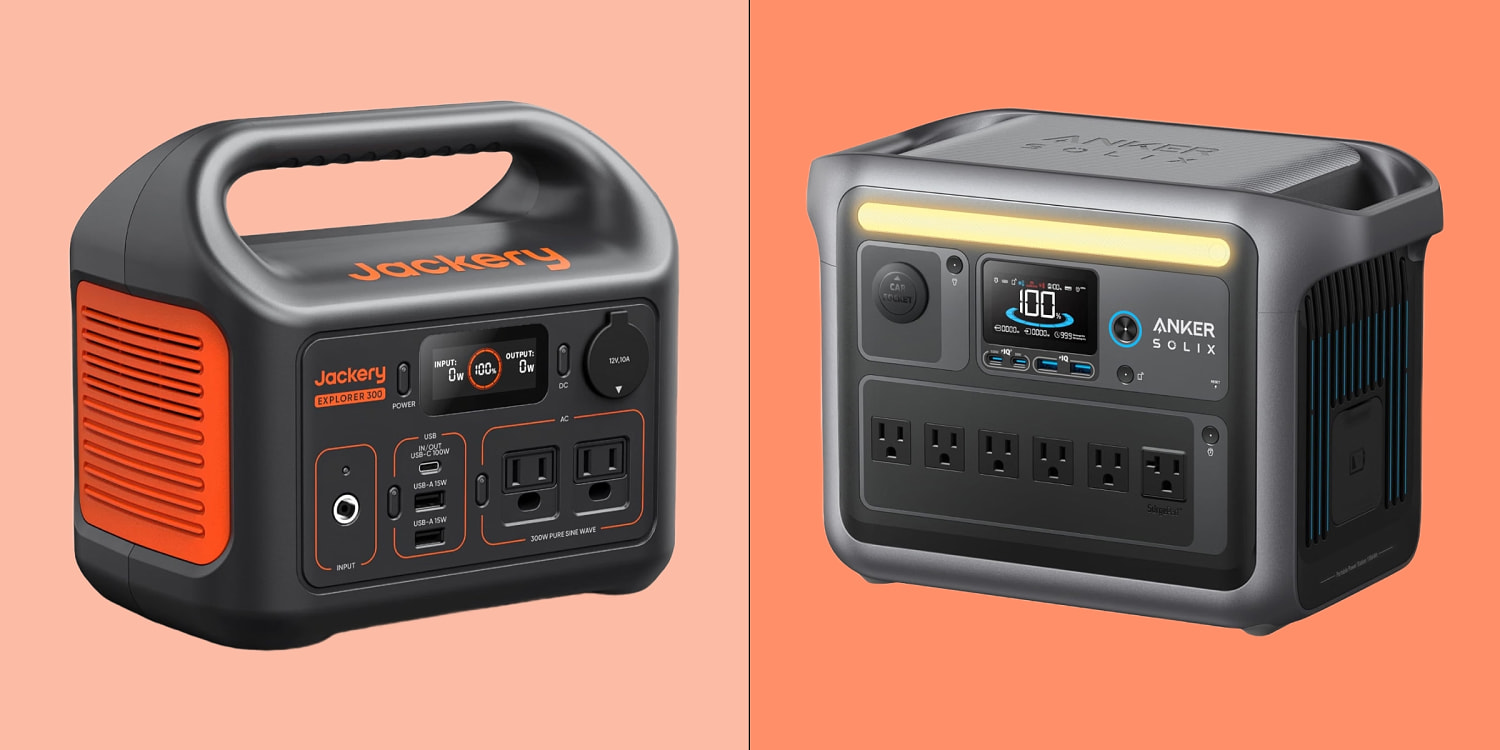
When the grid goes dark during a major winter storm or a summer heatwave, the marketing for portable power stations suggests you are minutes away from total serenity. Manufacturers display glossy promotional images of lithium iron phosphate batteries sitting quietly on clean wooden decks, powering espresso machines, CPAP devices, and full-size refrigerators while a gentle rain taps against the window. The reality of a prolonged blackout is fundamentally different, far noisier, and vastly more complicated than what fits inside a corporate product brochure.
If your electricity goes out for three days, a portable power station will not magically transform your home into an off-grid oasis unless you understand the brutal math of watt-hours, peak loads, and chemical limitations. Most consumers buy these units based on a sticker capacity that assumes ideal laboratory conditions, only to watch their expensive generator blink out of existence because they plugged in a standard kitchen toaster without checking the surge thresholds. Let us examine what actually happens when the grid fails, why cheap hardware creates a false sense of security, and how to choose a backup battery that survives reality rather than a product demonstration.
The Watt Hour Illusion
The fundamental metric printed on the side of every portable power station is total watt-hours, abbreviated as Wh. A unit rated at 1000Wh promises one thousand watts delivered for one hour, or one hundred watts for ten hours. Simple arithmetic. Except physics rarely cooperates with marketing departments.
Inverter efficiency losses consume between fifteen and twenty percent of your stored energy right off the top. When converting direct current stored in the internal battery cells into alternating current for your standard household plugs, heat escapes into the chassis. Furthermore, sensitive electronics like medical equipment or gas-fired furnace blowers require pure sine wave output. Cheaper modified sine wave units can overheat induction motors or introduce electrical noise that fries control boards on modern heating systems.
Consider a hypothetical example involving a standard 500-watt refrigerator compressor. When the compressor kicks on, it demands a surge load triple its nominal operating draw—roughly 1500 watts for a split second. If your portable power station has a peak surge rating of 1200 watts, the internal overload protection circuit will trip instantly. The refrigerator stays warm, the milk spoils, and you are left in the dark wondering why a battery weighing thirty pounds could not handle a kitchen appliance.
Chemistry and the Winter Problem
Lithium iron phosphate, commonly known as LiFePO4, has rightfully replaced older ternary lithium-ion chemistries as the gold standard for home backup batteries. They offer thousands of charge cycles, chemical stability, and a lower risk of thermal runaway. They are heavy, immovable objects, but they last.
Chemistry has physical boundaries, however. Try charging a standard LiFePO4 power station in an unheated garage when the ambient temperature drops below freezing. Internal protection mechanisms will automatically block the charging current to prevent permanent dendritic growth on the lithium anode, which causes catastrophic short circuits and fires.
People who store their emergency gear in uninsulated sheds find out about this limitation precisely when the ice storm arrives and the power cuts out. If the unit sits at freezing temperatures, it cannot accept juice from solar panels or a secondary generator until the internal cells warm up. Manufacturers rarely emphasize this detail on the front of the box. You learn it when you are shivering in your coat, rubbing your hands together next to a dead lithium brick.
Solar Panels Are Not Emergency Magic
No conversation about portable power stations is complete without the mandatory accessory package: folding solar panels advertised as infinite off-grid freedom. The imagery is seductive. Unfold a fabric panel on the lawn, plug it into the generator, and harvest clean energy directly from the sky.
The weather during a grid failure is rarely cooperative. Major outages stem from hurricanes, blizzards, heavy cloud cover, or severe convective storms. Under heavy overcast skies or torrential rain, solar panel output plummets to five or ten percent of its rated capacity. A 200-watt panel sitting under a thick gray storm cloud might struggle to trickle-charge a smartphone, let alone replenish a 2000Wh power station running life-critical appliances.
Relying on solar during a localized disaster requires patience, strategic re-aiming of panels throughout the day, and an acceptance that your energy budget must shrink dramatically. If you treat a portable power station like a wall outlet, you will exhaust its reserves in hours. If you treat it like an emergency ration kit—metering every watt for LED lighting, communication devices, and essential medical gear—you can stretch it across days.
Sizing Your Real Needs
To bypass the marketing noise, ignore the peak wattage numbers plastered across retail websites. Focus strictly on three concrete specifications: continuous inverter output, battery chemistry lifespan, and total usable capacity after inverter conversion loss.
A minimal survival setup requires calculating your daily baseline draw. A CPAP machine running eight hours uses roughly 400 to 600 watt-hours depending on heated humidifier settings. Charging five smartphones, a couple of headlamps, and a laptop adds another 150 watt-hours. Running a small Wi-Fi router and an emergency radio adds another 100 watt-hours. Your daily baseline sits near 800 watt-hours.
Buying a 1000Wh station gives you almost zero margin for error. A 2000Wh unit provides the necessary buffer to account for conversion inefficiency, ambient temperature drops, and unexpected surge loads without discharging the internal cells past their healthy threshold.
The Maintenance Neglect
The most dangerous failure point of any emergency power station is human complacency. Consumers purchase a high-end battery, pack it neatly into a hall closet or basement corner, and forget about it for eighteen months.
Lithium batteries slowly self-discharge over time, and leaving them sitting at zero percent capacity for months can permanently brick the internal management system. Furthermore, firmware updates on modern smart generators occasionally require active Wi-Fi connections to patch charging bugs. During a disaster is the worst possible moment to discover your battery requires a software update to recognize a specific brand of solar panel or generator input.
Check your gear quarterly. Plug it in, verify the inverter fans spin cleanly, test the ports with a multimeter or a simple lamp, and cycle the charge level between twenty and eighty percent to maintain chemical health.
The grid is aging, weather patterns are becoming more volatile, and localized outages are no longer rare anomalies. Treating an emergency power station like an appliance rather than an insurance policy ensures that when the lights finally flicker and die, you are actually prepared for the dark.


