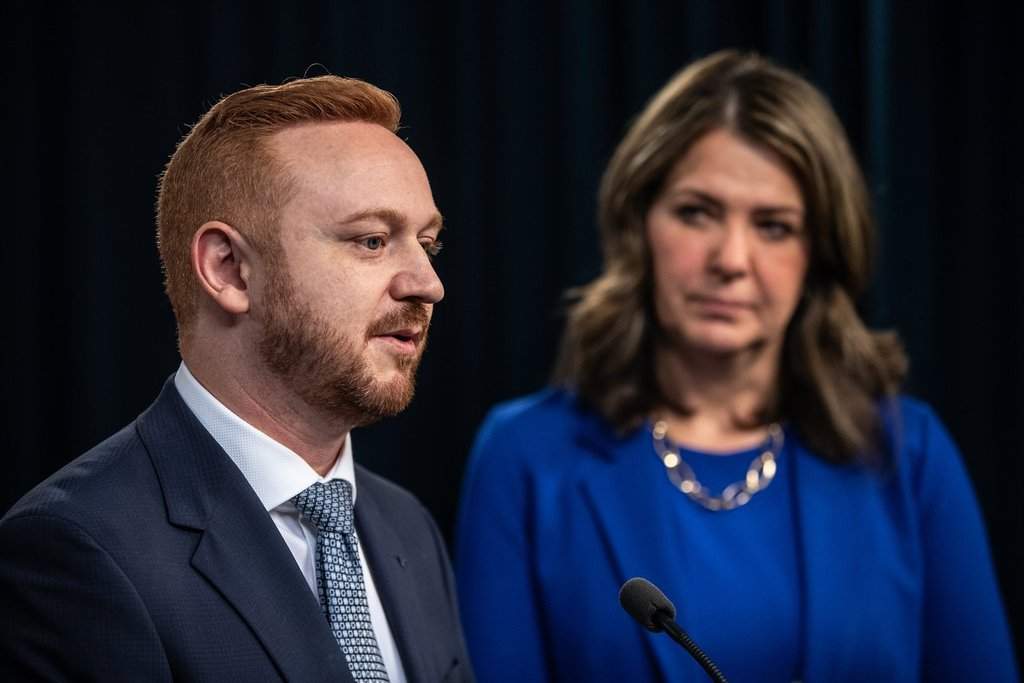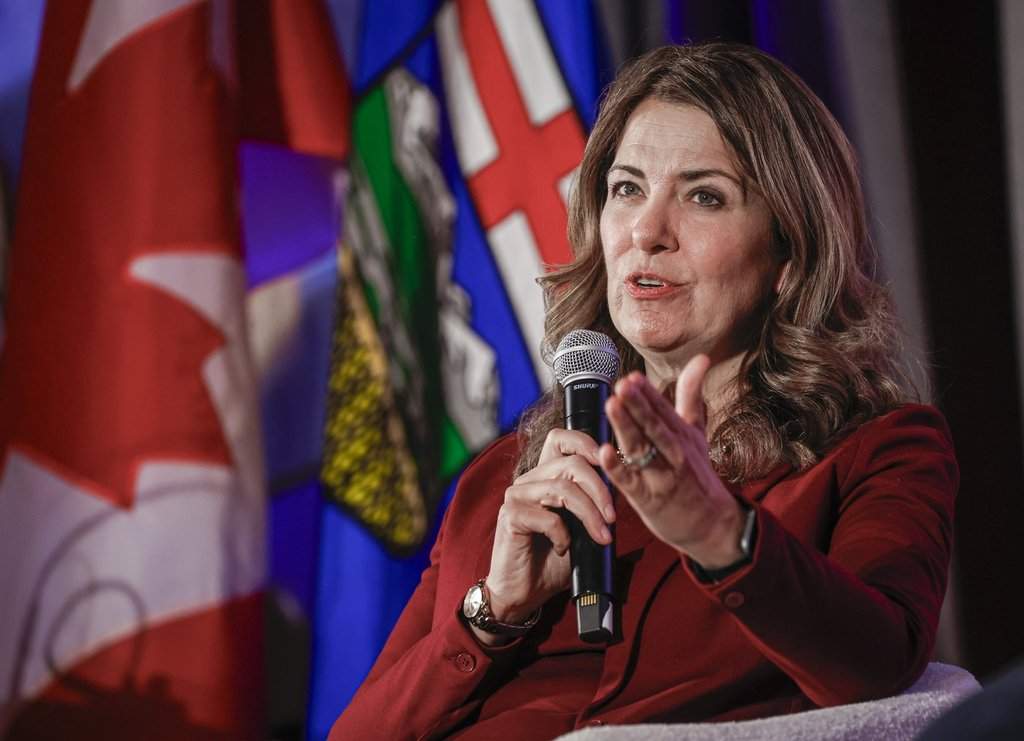
Political victories rarely arrive with a neat bow, yet Alberta Premier Danielle Smith isn't hesitating to claim one. Following the 2026 U.S. midterm elections, Smith declared the results a direct vindication of her controversial, diplomacy-first approach to American tariffs.
Her critics called it weak. Some accused her of breaking ranks with Ottawa and other provincial premiers when trade threats first escalated out of Washington. Now, with American voters reshuffling congressional power in November 2026, Smith is pointing at the electoral math and saying she told you so. Don't miss our previous coverage on this related article.
To understand why she's taking a victory lap, you have to look at the divide that split Canadian leadership over the last two years. When broad tariff threats dominated North American trade discussions, the federal government and several provinces—most notably Ontario under Premier Doug Ford—favored a tough, retaliatory posture. The idea was simple: hit back dollar-for-dollar on American goods, including energy, if Washington squeezed Canadian exports.
Smith wanted nothing to do with that plan. If you want more about the context of this, The New York Times provides an excellent summary.
From day one, she argued that slapping export taxes on Alberta oil or cutting off energy supplies to the United States would be economic self-sabotage. Instead of picking a public fight with the White House or threatening retaliation, she took her case directly to American lawmakers, governors, and business leaders. She traveled south repeatedly, showed up on U.S. cable news, and hammered home a single point: tariffs on Canadian energy raise gas prices for American families.
And in American politics, nothing kills an incumbent's momentum faster than expensive fuel at the pump.
The Core Bet Behind Alberta's Trade Strategy
If you've ever watched cross-border trade disputes play out from Calgary or Ottawa, you know how quickly nationalism takes over the microphone. Retaliation polls well at home. Standing at a podium and promising to make Washington pay feels good in the moment, especially when Canadian jobs are on the line.
Smith gambled that American domestic politics would do the heavy lifting for Canada if Alberta simply kept its cool and kept the oil flowing.
Her argument rested on basic North American energy integration. Canada is the largest foreign supplier of crude oil to the United States, with the vast majority of those barrels coming out of Alberta's oil sands. Midwest refineries in states like Illinois, Indiana, and Ohio are specifically configured to process heavy Canadian crude. They can't just flip a switch and replace millions of barrels a day with light sweet crude from Texas without massive retooling costs and supply bottlenecks.
Smith knew that if tariffs hit Canadian energy, American consumers—not just Alberta producers—would feel the pinch immediately. So while other Canadian leaders drafted lists of retaliatory tariffs on bourbon, orange juice, and steel, Smith refused to sign onto any joint communiqué that left energy exports on the table as a bargaining chip.
That refusal caused real friction inside Canada. Federal ministers questioned her commitment to a unified "Team Canada" front. Critics at home argued she was undermining Ottawa's negotiating power by signaling to Washington that Canada was divided.
Smith didn't budge. She bet that by the time the 2026 U.S. midterms rolled around, inflation and energy affordability would decide races in key swing districts, forcing Washington to back off broad protectionism.
How the 2026 U.S. Midterms Shifted the Tariff Debate
Midterm elections in the United States almost always serve as a referendum on the economy and the party holding the White House. In November 2026, cost-of-living concerns—specifically energy costs, grocery bills, and manufacturing input prices—sat right at the top of voter frustration.
When Smith described the midterm outcome as "vindication," she wasn't claiming that American voters went to the polls thinking about Alberta politics. Nobody in Michigan or Pennsylvania cast a ballot to save the Canadian oil patch. They voted with their wallets.
Here's why those results matter so much to Smith's argument:
- Swing-district backlash against consumer price hikes. Candidates in industrial and agricultural states faced intense pressure from local businesses and voters tired of paying higher prices tied to trade friction and supply chain disruptions.
- Bipartisan anxiety over energy security. Lawmakers from energy-dependent states—both Republicans and Democrats—spent months warning administration officials that taxing Canadian crude would backfire politically before November.
- Renewed leverage for pro-trade voices in Congress. With narrower margins and a shifting balance of power on Capitol Hill, lawmakers representing border states and manufacturing hubs suddenly have far more sway to push back against sweeping executive tariff actions.
Smith's team spent the past year cultivating relationships with exactly those lawmakers. By positioning Alberta as a reliable, friendly energy partner rather than an adversary threatening supply cutoffs, she gave American politicians a clear talking point: keep Canadian energy tariff-free to keep gas prices down.
Why Critics Still Push Back on Smith's Victory Lap
Calling the midterms a personal vindication is smart politics for a premier, but it doesn't mean everyone in Canada buys the narrative. Honestly, there are plenty of valid reasons to question whether Alberta's solo diplomacy actually moved the needle—or if Smith is simply taking credit for broader economic forces.
First, critics point out that a unified Canadian front carries weight that individual provinces can't match on their own. Trade agreements like the Canada-United States-Mexico Agreement (CUSMA) are negotiated nation-to-nation, not province-to-state. When Washington sees Ottawa and Edmonton contradicting each other in the American media, it invites U.S. negotiators to play one region off another.
Second, retaliatory threats have worked in the past. During the 2018 steel and aluminum tariff dispute, Canada's targeted tariffs on politically sensitive American products—aimed squarely at congressional districts held by key U.S. leaders—helped bring Washington back to the negotiating table. Supporters of that strategy argue that without the credible threat of pain, American administrations rarely change course out of goodwill.
Third, the 2026 midterm results were driven by dozens of domestic U.S. issues that had nothing to do with Canada. Healthcare costs, housing affordability, local candidates, and historical midterm trends against the sitting president's party all played massive roles. Attributing the shift in Washington's tariff appetite solely to Alberta's charm offensive stretches the truth.
Even if you agree with Smith's refusal to use oil as a weapon, pretending that Canada didn't need any defensive leverage ignores how hardball trade politics actually works in Washington.
What CUSMA's 2026 Review Means for Cross-Border Trade
The timing of Smith's comments isn't accidental. North American trade is entering a critical phase with the scheduled 2026 joint review of the Canada-United States-Mexico Agreement.
Unlike a routine trade meeting, this review puts the future stability of the entire North American free trade bloc under a microscope. All three countries have to decide whether to extend the pact for another 16 years or trigger annual reviews that would inject massive uncertainty into cross-border investment.
For Alberta, the stakes couldn't be higher. Billions of dollars in energy, agriculture, and petrochemical investment depend on predictable, duty-free access to the U.S. market.
Smith is using the midterm outcome to double down on her strategy ahead of these talks. Her message to Ottawa and her fellow premiers is clear: stop threatening trade wars you can't win, focus on energy and supply-chain integration, and let American economic self-interest keep the border open.
Meanwhile, Washington's post-midterm political reality creates a narrower runway for aggressive, across-the-board tariffs. A divided or more cautious Congress is much less likely to rubber-stamp trade measures that spike fuel prices or hurt American farmers who rely on Canadian potash and export markets.
Practical Takeaways for Businesses Watching U.S.-Canada Trade
If you run a business that moves goods, energy, or services across the 49th parallel, political victory laps don't pay the bills—predictable customs rules do. Whether you think Danielle Smith is a tactical genius or got lucky with American voter frustration, the post-midterm environment requires a clear-eyed approach.
Don't assume tariff threats are permanently dead just because one election cycle went favorably. Executive branch trade authority in the U.S. remains broad, and targeted disputes over softwood lumber, dairy, digital services taxes, or electric vehicles can flare up overnight.
Instead of waiting for politicians in Ottawa, Edmonton, or Washington to sort things out, focus on what you can control right now:
- Audit your supply chain exposure under CUSMA rules of origin. Make sure your documentation proves North American content standards so your shipments aren't caught in administrative crossfire during the 2026 agreement review.
- Track state-level political pressure, not just federal headlines. As Smith's strategy demonstrated, governors and congressional representatives from border and energy-reliant states hold real influence when federal tariffs threaten local jobs or consumer prices.
- Build currency and tariff contingencies into 2027 contracts. Even when broad tariffs are avoided, sudden policy announcements move the Canadian dollar and create short-term border delays that eat into thin margins.
Smith bet her political capital on the idea that American voters wouldn't tolerate higher energy prices to fund a trade fight with their closest neighbor. The 2026 midterms gave her plenty of ammunition to say she was right, setting up an intense debate over how Canada handles Washington in the years ahead.