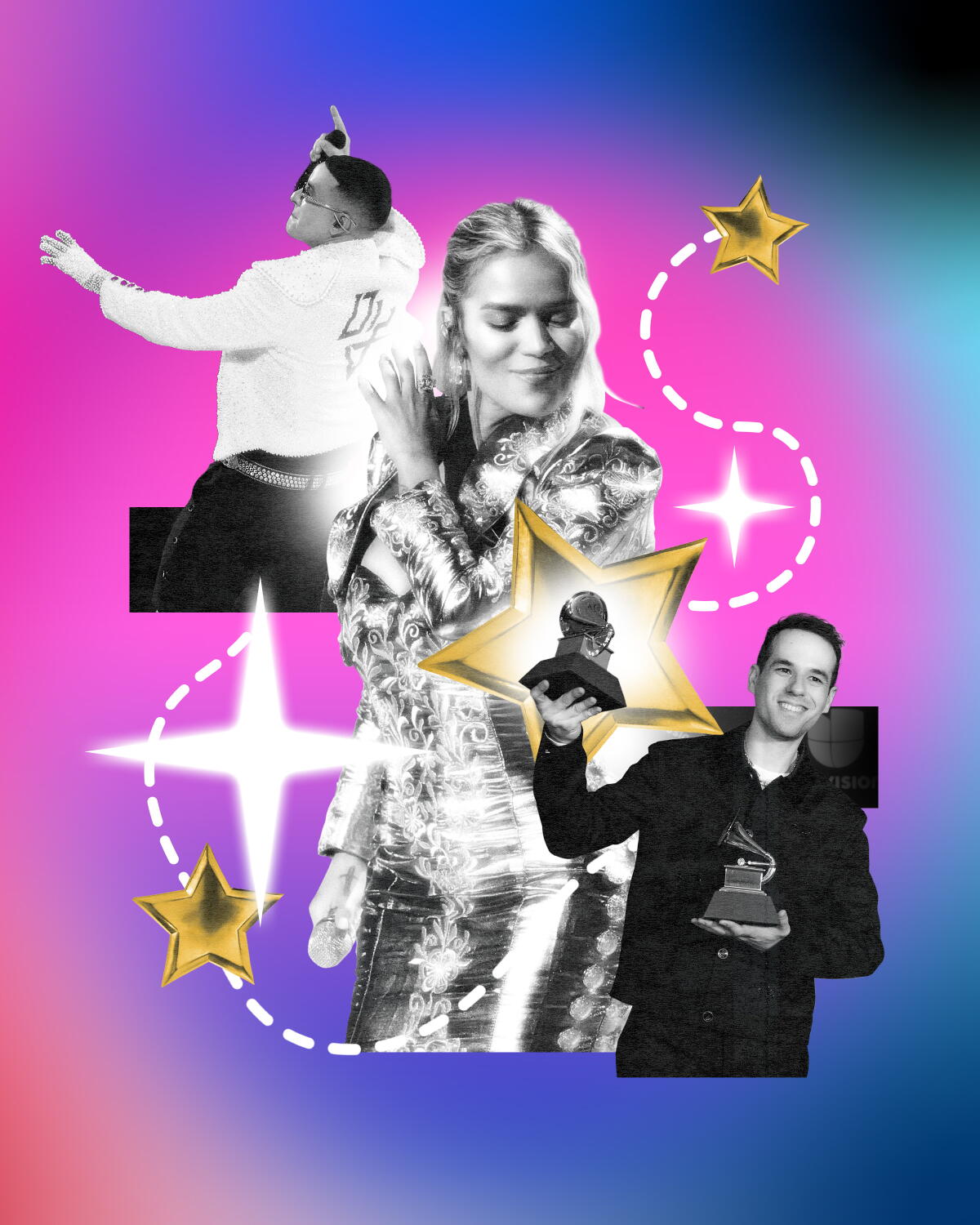
Two decades after "Gasolina" detonated on global radio and rewired pop music forever, the Latin Recording Academy finally stopped treating reggaetón like a loud guest at a black-tie dinner. That exact tension—and the relief of watching it break—is the heartbeat of the Los Angeles Times' De Los podcast episode examining Daddy Yankee's long-overdue recognition at the Latin Grammys.
If you've followed Latin music since the early 2000s, you know this wasn't just another trophy presentation. It was a reckoning.
For years, the Latin Grammys operated with a quiet, stubborn hierarchy. Traditional ballads, salsa, rock en español, and glossy pop sat at the head of the table, while urbano artists from Puerto Rico's caseríos were shoved into genre-specific side categories—or ignored altogether during the main broadcast. Daddy Yankee didn't just knock on that door. He kicked the hinges off.
What the De Los Podcast Gets Right About Reggaetón's Long Road
The De Los podcast, produced by the Los Angeles Times to explore the nuances of Latinidad and culture, zeroes in on a truth music historians have documented for years. Institutional validation always lags behind street-level impact.
When Barrio Fino dropped in 2004, it didn't just sell millions of copies. It proved that a purely Puerto Rican street sound, built on the dembow rhythm and unfiltered Boricua slang, could dominate charts from Tokyo to Madrid without watering itself down for English-speaking gatekeepers. Yet inside the major awards circuits, reggaetón was treated like a passing fad.
Honestly, it's wild to look back at those early ceremonies. While reggaetón was filling arenas and driving the actual revenue of the Latin music industry, voters frequently relegated urbano tracks to Best Urban Music Album—a category created in 2000 that often functioned as a containment zone rather than a springboard to the General Field (Album, Record, and Song of the Year).
The De Los hosts and guests unpack why that matters so much to fans who grew up defending the genre. Seeing Daddy Yankee celebrated on the Latin Grammy stage isn't about one man's ego. It's about validating an entire generation of Afro-Caribbean and working-class creators who were told their music lacked "artistic merit."
The Numbers Behind the Snubs and the Shift
You don't need to guess whether the industry dragged its feet. Look at the timeline.
- 2004: Daddy Yankee releases Barrio Fino, the first reggaetón album to debut at No. 1 on Billboard's Top Latin Albums chart. It wins Best Urban Music Album at the 2005 Latin Grammys, yet misses out on Album of the Year.
- 2017: "Despacito," featuring Daddy Yankee alongside Luis Fonsi, sweeps Record of the Year and Song of the Year at the Latin Grammys, becoming a historic global juggernaut. Even then, critics noted how the track's pop-leaning structure made it easier for traditional voters to swallow than pure perreo.
- 2019: J Balvin, Bad Bunny, and dozens of urbano artists launch the "Sin Reggaetón No Hay Latin Grammy" protest after the nominations snubbed major reggaetón hits from the top categories. That backlash forced the Latin Recording Academy to re-evaluate its voting membership and category structures.
Think about that gap. Fifteen years separated Barrio Fino from the 2019 protest that finally cracked the Academy's resistance. During that entire stretch, Daddy Yankee remained the genre's North Star—the guy who coined the word "reggaetón" on a 1994 mixtape with DJ Playero and never stopped evolving his sound.
Why Daddy Yankee Was Always More Than a Hitmaker
Most casual listeners reduce Ramón Luis Ayala Rodríguez to two songs: "Gasolina" and "Despacito." That's a massive mistake.
If you actually study his catalog and business moves, Yankee operated like a blueprint for the modern independent artist long before streaming made independence trendy. After launching his own label, El Cartel Records, he controlled his masters, negotiated distribution deals on his own terms, and treated reggaetón like a global export rather than a local novelty.
I've watched countless music executives try to reverse-engineer what Yankee did between 2004 and 2022. They usually focus on the hooks or the production. They miss the discipline. While peers burned out or got trapped in predatory contracts, Yankee treated every studio session and tour stop like a championship run.
When he announced his retirement from secular music in 2022 with Legendaddy and wrapped his La Última Vuelta farewell tour in late 2023—culminating in emotional homecoming shows at San Juan's Coliseo de Puerto Rico—the industry suddenly realized the clock had run out. You can't give a pioneer his flowers after he's already walked off the stage for good.
How the Latin Grammys Finally Caught Up
The shift we're seeing at the Latin Grammys didn't happen out of sudden generosity. Follow the demographics.
Streaming platforms like Spotify and YouTube obliterated the old radio gatekeepers. When billions of streams proved that Bad Bunny, Karol G, Feid, and Rauw Alejandro weren't just dominating Latin charts—they were leading global charts—the Latin Recording Academy had two choices. Adapt, or become a museum piece.
Over the past few years, the Academy expanded its voting body to include younger, more diverse producers, engineers, and songwriters working in urban music. They introduced new categories like Best Reggaeton Performance (launched in 2020) to distinguish pure reggaetón from broader Latin urban fusions.
Still, honoring Daddy Yankee carries a different weight than handing a trophy to a twenty-something streaming star. Every current urbano headliner—from Bad Bunny to Karol G—explicitly cites Yankee as the reason they have a career. Without him taking the arrows from moral panics in Puerto Rico during the 1990s, when police literally confiscated reggaetón cassettes from record shops, there is no global Latin music boom today.
What Most People Miss About the Urbano Movement's Origins
Here's the part that gets sanitized when awards shows finally embrace a street genre: reggaetón wasn't just ignored by the Grammys. It was criminalized.
In the mid-1990s, Puerto Rican authorities targeted underground mixtapes—the raw Playero and The Noise tapes where a teenage Daddy Yankee cut his teeth—under obscenity and anti-crime campaigns. Politicians blamed the music for violence in public housing projects, ignoring the systemic poverty and racism driving those conditions.
So when Daddy Yankee stands on an international broadcast receiving institutional praise, the subtext is deafening. The same establishment that once tried to confiscate his music now relies on the cultural wave he started to stay relevant.
That's why episodes like the De Los podcast hit a nerve. Mainstream entertainment coverage often treats Latin Grammy moments like red-carpet fluff. Cultural journalism connects the dots between a golden gramophone on a stage and a kid rhyming over a borrowed beat in Villa Kennedy thirty years ago.
Where to Dig Deeper Into Reggaetón History
If the De Los episode sparked your curiosity, don't stop at the highlight clips. Go straight to the primary sources that document how this movement actually built itself from the ground up:
- Listen to the full De Los episode from the Los Angeles Times. Pay attention to how the hosts frame the generational divide between traditional Latin music voters and the diaspora fans who grew up with reggaetón as their default soundtrack.
- Spin Barrio Fino front to back. Skip the singles for a minute and listen to album cuts like "King Daddy" and "Dale Caliente" to hear how sharp his rhythmic cadence was compared to anything else on radio in 2004.
- Check out La Nueva Religión or scholarly work by Dr. Petra Rivera-Rideau. Her book Remixing Reggaetón breaks down the racial politics, censorship battles, and Puerto Rican identity behind the music better than any liner notes ever could.
- Watch the archival footage from Yankee's final La Meta concerts in San Juan. Seeing the reaction of Puerto Rican fans in the room tells you everything a television broadcast never will.
Awards shows will always show up late to the party. They exist to codify history after the real cultural battles have already been won in the streets, clubs, and headphones. Daddy Yankee didn't need a Latin Grammy to cement his legacy—the global music landscape already runs on the foundation he laid.