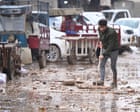
Heavy rain shouldn't turn major cities into instant disaster zones, yet deadly floods in Iraq keep happening with terrifying regularity. When severe thunderstorms sweep across the Middle East, headlines usually focus on the dramatic footage of submerged cars and rescuing stranded families. That misses the real story.
You're looking at a crisis where extreme weather collides with decades of neglected urban drainage, hardened drought-stricken soil, and rapid, unplanned construction. When thunderstorms hit northern and central Iraq—stretching from Sulaymaniyah and Erbil down to Baghdad and Basra—the water simply has nowhere to go. It doesn't soak into the ground. It turns residential streets into fast-moving rivers within minutes.
Why Iraq's Soil Can't Handle Sudden Thunderstorms
It sounds completely backwards. How does a country famous for severe droughts and water shortages suddenly drown?
The answer lies in basic soil physics. After months of blistering summer heat and prolonged drought, the ground across Iraq bakes into a crust nearly as hard as concrete. Meteorologists and hydrologists call this hydrophobic soil behavior. When intense convective thunderstorms dump weeks' worth of rain in a single afternoon, that parched earth repels the water instead of absorbing it.
Rainwater runs straight off the surface at high speed. It collects in low-lying neighborhoods, overwhelms storm drains designed for a completely different climate era, and triggers flash floods that catch drivers and homeowners off guard.
I've seen how quickly people underestimate shallow moving water during these events. Just six inches of fast-flowing water can knock an adult off their feet, and twelve inches will float most passenger vehicles. In Iraq's mountainous northern provinces, like Kurdistan, steep terrain accelerates that runoff even further, turning dry riverbeds—known locally as wadis—into lethal torrents before emergency alerts even reach people's phones.
Infrastructure Failures Turn Rain Into a Human Tragedy
Blaming the weather alone lets local authorities off the hook too easily. Severe thunderstorms are a natural trigger, sure, but the death toll and property damage come down to human choices.
Walk through the hardest-hit districts after any major storm in Baghdad or Erbil, and you'll spot the exact same bottlenecks every single time:
- Clogged and undersized drainage networks. Many municipal sewage and rainwater systems were built decades ago for populations a fraction of their current size. Plastic waste, construction debris, and uncollected garbage routinely block storm grates before the first drop of rain even falls.
- Building on natural floodplains. Rapid urban expansion has pushed new housing developments directly onto natural drainage basins and seasonal waterways. When you pave over wetlands and block natural runoff paths, the water doesn't disappear—it just floods the new living rooms instead.
- Aging electrical grids. One of the deadliest, most underreported hazards during Iraqi floods isn't drowning. It's electrocution. Exposed wiring, poorly insulated street poles, and waterlogged junction boxes turn flooded intersections into lethal traps the moment the water rises.
Civil defense teams often work around the clock with limited pumping trucks and rescue boats, pulling families from rooftops and clearing blocked culverts by hand. They're brave, and they save lives. Still, sending out pump trucks after neighborhoods go underwater isn't a flood management strategy. It's damage control.
The Wider Regional Weather Pattern Driving These Storms
These deadly floods in Iraq rarely happen in isolation. Usually, they're part of a massive atmospheric setup sweeping across the broader Middle East, affecting neighboring countries like Kuwait, Saudi Arabia, Jordan, and Iran at the exact same time.
During the transition seasons—especially late autumn and spring—cold upper-level troughs dip south from the Mediterranean and clash with warm, moisture-rich air pulling up from the Red Sea and the Persian Gulf. That collision creates explosive atmospheric instability.
The result isn't a gentle, steady rain. It's violent mesoscale convective systems capable of producing:
- Torrential downpours that drop 50 to 100 millimeters of rain in a few hours—sometimes matching an entire season's average rainfall in a single night.
- Severe hailstorms that batter crops, shatter windshields, and block roof drains with slush and ice.
- Damaging straight-line winds that topple power lines and tear down poorly secured structures before the flooding even peaks.
Climate researchers tracking the Eastern Mediterranean and Middle East have repeatedly warned about this exact shift. Total annual rainfall in the region is trending downward, making droughts worse, while the rain that does fall arrives in sharper, more violent bursts. Iraq gets hit from both sides—longer dry spells that ruin agriculture, punctuated by extreme thunderstorms that destroy urban infrastructure.
What People Get Wrong About Flash Flood Survival
Whenever footage of regional flooding goes viral, online commentators love to ask why residents didn't just evacuate earlier or avoid driving through flooded underpasses. That's easy to say from a dry living room.
In reality, flash floods in urban areas give almost zero visual warning. An underpass in Baghdad or a highway dip outside Mosul might look like it has a harmless puddle at the bottom. By the time a driver realizes the water is four feet deep, the engine stalls, electric windows short-circuit, and water pressure pins the doors shut.
Public awareness campaigns often fail because they rely on generic warnings rather than specific survival habits. If you live in or travel through flood-prone areas of Iraq during storm season, standard advice isn't enough. You need practical rules that actually hold up when the streets start filling:
- Never trust an underpass during a thunderstorm. Tunnel drainage pumps frequently lose power during severe storms. If you can't see the road markings beneath the water, turn around immediately.
- Stay clear of metal poles and downed wires. Treat every puddle near a streetlight, transformer, or commercial storefront as potentially electrified until municipal power is confirmed off.
- Keep emergency supplies above ground level. In single-story homes built in low-lying neighborhoods, storing drinking water, backup batteries, and essential documents on high shelves prevents total loss when water breaches the front door.
- Monitor regional radar, not just local forecasts. Because storms sweeping across Iraq generally track from west to east or southwest to northeast, watching weather developments in Jordan and western Saudi Arabia often gives you a several-hour head start before the squall line hits Iraqi cities.
Accountability and Real Fixes Must Happen Before the Next Storm
Every time deadly floods hit Iraq, officials announce emergency committees, promise compensation for damaged homes, and pledge to overhaul municipal drainage networks. Then the sun comes out, the mud dries, and the urgency fades until the next autumn thunderstorm rolls in.
Fixing this doesn't require futuristic engineering. It requires basic urban discipline: enforcing bans on building in seasonal wadis, clearing storm drains before rainy season starts, burying and insulating exposed street wiring, and building retention basins outside major cities to capture stormwater instead of letting it drown residential districts. Until local governments treat drainage maintenance with the same urgency as emergency rescues, every major thunderstorm across the region will keep carrying the same predictable, preventable human cost.