Concrete remembers weight. It remembers the thunder of descending wheels, the shudder of thrust reversers biting into tarmac, the sigh of hydraulic doors opening to let the night air in. But concrete also remembers fire.
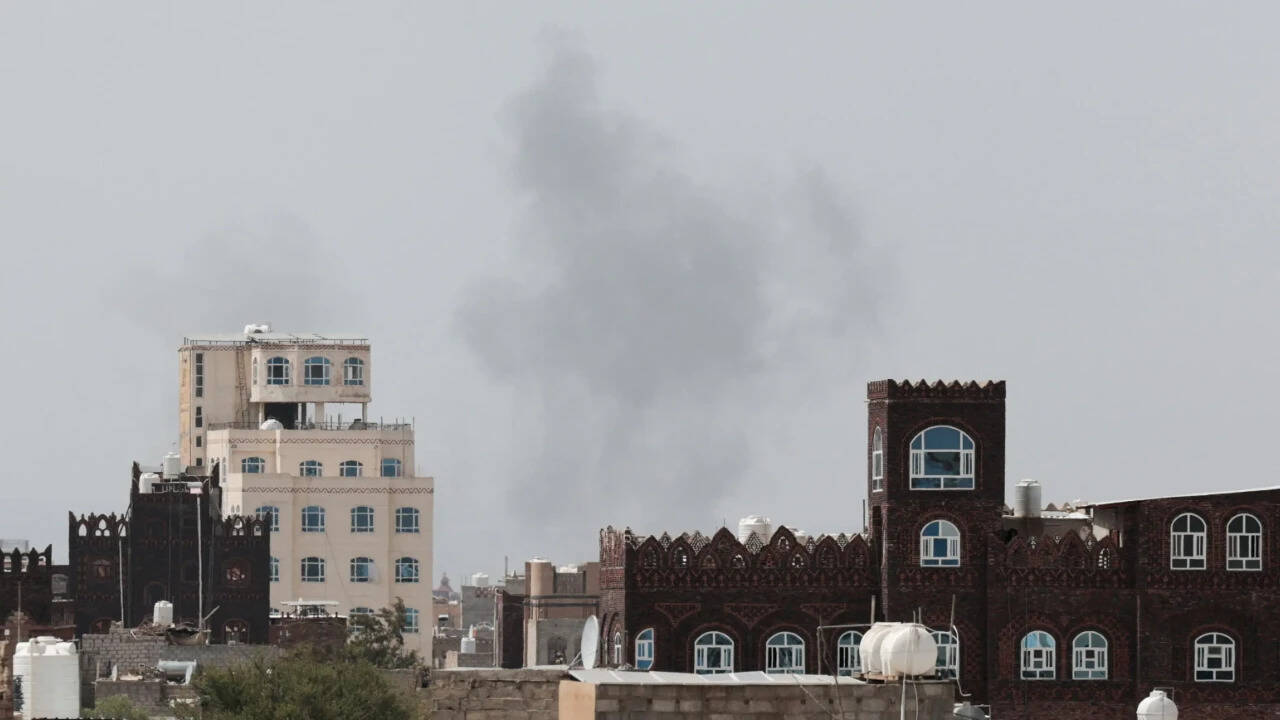
In Sanaa, the airport tarmac bears the jagged signatures of ongoing conflict, scars etched deep into the stone where airstrikes have reduced passenger terminals to skeletal frames and grounded hope into dust. When the Houthi movement pointed a finger across the border toward Saudi Arabia following yet another strike on the facility, they were not just trading diplomatic blows in a familiar war of words. They were describing a reality lived by millions: an airport locked in perpetual purgatory, transformed from a civilian bridge to the outside world into a contested, silent monument of endurance.
Consider Tariq. He is fictional, yet his silhouette is stamped onto every doorway in Yemen today. Imagine him sitting on a tattered suitcase inside the perimeter of the Sanaa International Airport zone, watching a flock of startled pigeons scatter over a cratered apron. He is a doctor. Or perhaps he is just a brother trying to get a sick child to a hospital in Cairo or Amman. He has packed his bags three times over the last few years. Three times, tickets were booked. Three times, the sky closed.
When a runway is struck, the immediate loss is iron and asphalt. The true casualty is time.
The Houthis’ recent accusation that a Saudi-led coalition campaign orchestrated this latest destruction highlights an enduring paradox of the Yemeni civil war. Even during periods of de-escalation, even when backchannel talks whisper of peace through corridors in Muscat or Riyadh, the physical infrastructure of survival remains fragile. An airport is not merely a collection of buildings; it is a pulse. When the pulse stops, everything downstream withers. Medical evacuations halt. Commercial imports of vital pharmaceuticals slow to a bitter crawl. Families remain fractured across borders, their reunions indefinitely postponed by the sound of a whistle overhead and the concussive boom that follows.
To understand why a strike on Sanaa airport carries such profound psychological weight, one must look past the dry military communiqués. For years, the blockade and targeted infrastructure degradation have functioned as invisible walls. While ground skirmishes dictate the front lines, the skies dictate possibility. When a missile or a bomb tears through the tarmac, it sends a chilling message to the civilian population: You are contained.
The geopolitical chess match is vast and intricate. On one side, the coalition views these northern transport nodes through a security lens, citing concerns over illicit weapon smuggling and air defense capabilities. On the other, the de facto authorities in Sanaa emphasize the catastrophic humanitarian cost, framing the neutralization of civilian airports as collective punishment.
Both narratives clash in the smoke above the runway. But neither heals the concrete.
Walk down the abandoned check-in counters of the terminal. The paint is peeling. Dust cakes the conveyor belts where suitcases once tumbled. Posters advertising long-defunct flights to regional hubs hang crookedly from the walls, yellowing under the relentless sun. In this stillness, the human element emerges from the statistics. Every canceled flight is a missed wedding, a delayed funeral, a student stranded halfway through a scholarship, a patient whose prognosis grows darker with each passing week of bureaucratic and military deadlock.
Peace, when it comes, does not usually arrive in a blinding flash of treaty signatures. It arrives quietly, in the mundane resumption of routine. It arrives when a mechanic steps onto the tarmac with a bucket of cold patch and a trowel, filling the holes left by ordinance. It arrives when the air traffic controller’s radio crackles back to life, guiding a commercial jet down through the mountain passes.
Until then, the runway at Sanaa waits. It absorbs the sun by day and the chill of the highland night by rule of silence. And the people wait with it, watching the horizon, measuring the distance between where they are and where the rest of the world keeps moving without them.