Stop waiting for the end of the world.
Every time a prominent climate scientist takes the stage to warn that Earth is teetering on the edge of a humanitarian disaster, the media runs the same script. They tell us that the only way to save the Global South—specifically Asia and Africa—is to rapidly halt fossil fuel use, implement sweeping carbon restrictions, and rely on Western-funded green technology transfer.
It is a comforting, moralistic narrative. It is also completely wrong.
The lazy consensus dominating international climate policy treats carbon emissions as the ultimate evil and absolute zero as the only salvation. But this framework ignores a brutal, fundamental reality: poverty is a far greater, more immediate killer than a changing climate, and the quickest way to engineer a real humanitarian disaster is to choke off affordable energy in developing nations before reliable alternatives can scale.
I have spent years analyzing energy infrastructure investments across emerging markets. I have watched well-meaning Western institutions withhold funding for highly efficient natural gas plants in regions where millions still cook with dried dung and wood. The result isn't a magical transition to solar grids. The result is prolonged energy poverty, stunted economic growth, and localized air pollution that kills thousands daily.
We are asking the wrong questions. The issue isn't how we stop climate change at all costs. The issue is how we build societies resilient enough to handle it.
The Resilience Fallacy: Wealth Adapts, Poverty Suffers
The prevailing thesis from mainstream climate advocates is that rising global temperatures will inevitably trigger a domino effect of societal collapse. They point to shifting weather patterns and rising sea levels as existential threats that cannot be mitigated without total global decarbonization.
This view misses the crucial nuance of human adaptation. Climate vulnerability is not a fixed geographic curse; it is a direct function of economic development.
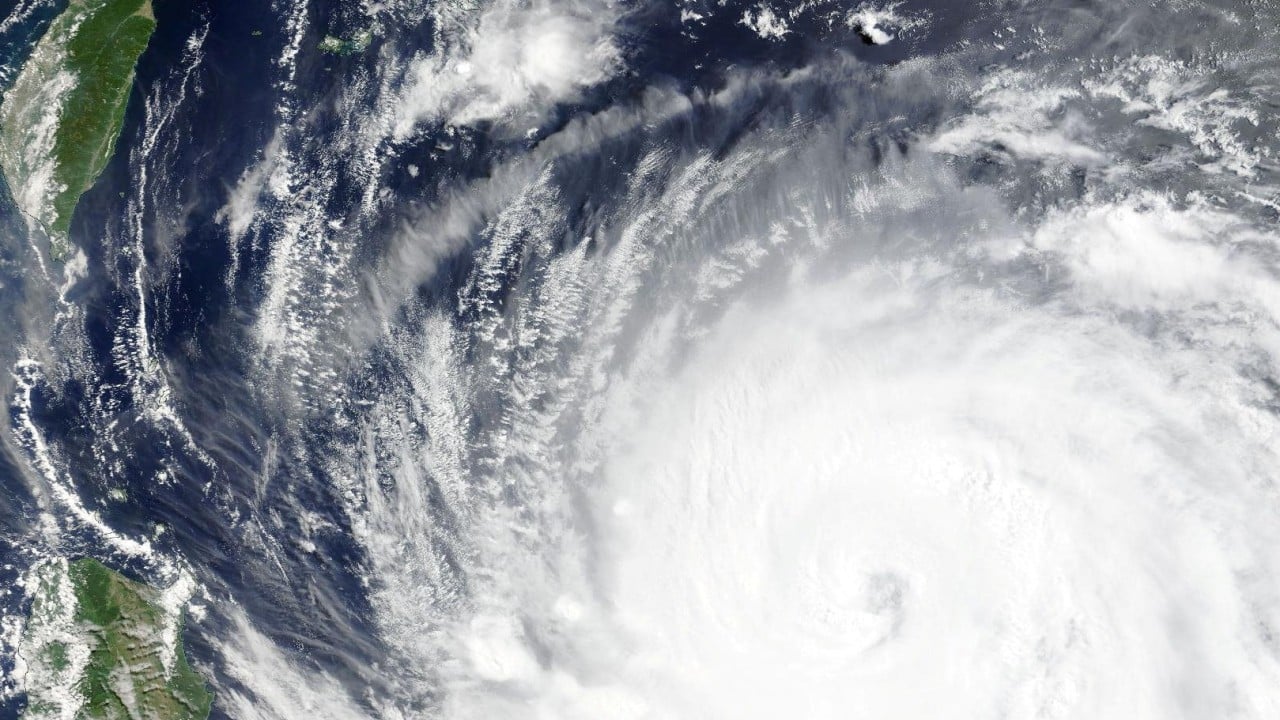
Consider a thought experiment. Imagine a severe category 4 cyclone striking two different coastlines: one in Miami, Florida, and the other in a low-income coastal district of Bangladesh. The meteorological event is identical. The outcomes are radically different. Miami experiences property damage, temporary power outages, and highly coordinated evacuations. The Bangladeshi district faces catastrophic loss of life, destroyed livelihoods, and long-term displacement.
What is the variable here? It isn't the temperature of the ocean water. It is the presence of steel-reinforced concrete architecture, reliable deep-water drainage systems, early-warning satellite networks, robust insurance markets, and an electrified transport grid capable of moving millions of people out of harm's way in hours.
Wealth buys safety. Energy creates wealth.
By forcing developing nations to prioritize expensive, intermittent renewable energy architectures before they have established a stable, baseline power grid, Western climate policy actively prevents these nations from building the very economic defenses they need to survive a changing planet.
Dismantling the Green Grid Myth
Let's look at the actual engineering constraints. The mainstream discourse treats solar panels and wind turbines as plug-and-play replacements for coal, oil, and gas. They are not.
The concept of energy density explains why. Fossil fuels are highly concentrated forms of energy that can be stored indefinitely and burned on demand. Solar and wind are diffuse, intermittent, and dependent on weather conditions. To run a modern, industrial economy—the kind required to lift a population out of poverty—you need baseline power. You need factories that can run 24 hours a day, hospitals that never lose power, and cold-storage supply chains that preserve food and vaccines.
Energy Source     | Reliability | Infrastructure Cost | Carbon Footprint
-------------------------------------------------------------------------
Fossil Fuels      | High        | Low to Medium       | High
Nuclear Power     | High        | Very High           | Zero
Solar / Wind      | Intermittent| High (with storage) | Low
To make an intermittent renewable grid reliable, you must build massive battery storage systems. The capital requirements for this level of infrastructure are astronomical. When Western climate summits pledge billions in climate finance to the Global South, they are offering a drop in the bucket compared to the trillions required to build out completely green, stable grids from scratch.
Worse, forcing this transition prematurely creates a perverse outcome. When developing nations are restricted from building modern natural gas or clean coal plants, they do not default to high-tech solar grids. They continue burning low-grade biomass and cheap, inefficient coal. The Western insistence on absolute purity stalls the practical transition from dirty fuels to cleaner, bridge fuels like natural gas.
Citing the Hard Data on Human Progress
The panic merchants claim we are on the precipice of unprecedented devastation. But if we look at historical trends, a different picture emerges.
Data from the International Disaster Database (EM-DAT), maintained by the Centre for Research on the Epidemiology of Disasters, reveals a striking truth: the annual number of deaths from climate-related disasters (floods, droughts, storms, wildfires, and extreme temperatures) has plummeted by over 90% over the last century.
This drop occurred while the global population more than tripled, and global temperatures rose.
How did humanity achieve this? Through industrialization. We built better structures, developed synthetic fertilizers to prevent famine, engineered massive water-management systems, and established global logistics networks to deploy aid. Industrialization, fueled by cheap energy, is the most effective climate adaptation strategy ever invented.
Clinging to the belief that the Global South can leapfrog traditional industrialization entirely using current renewable technology is an elite, comfortable delusion. It ignores the laws of thermodynamics and the realities of macroeconomics.
The Counter-Intuitive Path Forward
If our goal is truly to minimize human suffering over the next fifty years, the strategy must flip.
First, stop treating carbon mitigation as the sole metric of success. The primary metric should be human flourishing and climate resilience.
Second, legalize all forms of energy abundance. Developing nations must have the geopolitical and financial freedom to utilize whatever mix of energy—including fossil fuels and nuclear power—allows them to grow their economies fastest. A wealthy, industrialized nation with a high carbon footprint is vastly more equipped to handle a 2-degree Celsius temperature rise than a destitute, agrarian nation with a net-zero footprint.
Third, pivot funding from global carbon reduction schemes to localized, hard infrastructure. Build seawalls. Upgrade agricultural technology to include drought-resistant crop strains. Construct deep-water ports and modern highways. Invest heavily in next-generation nuclear energy research, which offers the only scalable, zero-carbon baseline power source capable of meeting global demand.
This approach has downsides. It means global emissions will likely continue to rise in the short to medium term as billions of people climb into the middle class. It means accepting that we cannot freeze the Earth's climate at an arbitrary baseline. It requires a cold, utilitarian acceptance of trade-offs.
But the alternative is worse. The alternative is a policy of eco-colonialism, where affluent Western nations use international financial institutions to restrict the growth of developing economies under the guise of saving them.
Stop managing the decline. Build the wealth required to survive.