Walk down the streets of Myeongdong on a Tuesday afternoon and you will see something vastly different from the pre-pandemic days. The massive tour buses packed with flag-waving guides are mostly gone. Instead, the sidewalks are crammed with independent twenty-somethings clutching their smartphones, navigating by Xiaohongshu recommendations, and dragging empty suitcases.
They are here to shop. Specifically, they are here because South Korea has suddenly become incredibly cheap for Chinese travelers, and the obsession with Korean skincare has reached a fever pitch.
This is not a temporary blip. A perfect storm of currency advantages and a massive shift in how people consume beauty products has completely transformed Chinese shopping trips and spending in Korea. If you think this is just about buying a few face masks at a duty-free shop, you are missing the bigger picture. The retail dynamics between Beijing and Seoul have shifted permanently.
The Won is Slumping and China is Buying
Money talks. Right now, it is speaking in favor of the Chinese yuan against a weakened South Korean won. Over the past couple of years, the won has taken a beating against major global currencies, including the yuan.
For a tourist from Shanghai or Beijing, this translates to an automatic discount on every single thing they buy the moment they step off the plane at Incheon. Hotel rooms feel cheaper. Food costs less. Most importantly, luxury goods and cosmetics are marked down by default compared to their retail prices back home.
When you combine a favorable exchange rate with Korea’s tax-refund system for foreign visitors, the savings become massive. Wealthy and middle-class Chinese shoppers realize that a weekend trip to Seoul pays for itself if they stock up on a year's worth of skincare and designer bags. It is basic math. They get a vacation and a discount at the same time.
The Extinction of the Megastore and the Rise of Olive Young
The way Chinese tourists spend their money in Korea has changed dramatically. Ten years ago, the playbook was simple. Large tour groups went directly to massive Lotte or Shilla duty-free department stores. They bought high-end luxury cosmetics from legacy brands like Whoo or Sulwhasoo in bulk, packed them into boxes, and left.
That model is dying. Today's younger Chinese travelers do not want those stuffy, old-school brands. They do not want to be trapped in a duty-free mall with hundreds of other tourists.
Instead, they are crowding into neighborhood Olive Young stores. Olive Young is Korea's dominant health and beauty drugstore chain, and it has become the undisputed epicenter of foreign spending. On any given weekend, the flagship stores in Myeongdong or Gangnam look like battlegrounds. Shoppers fill baskets with indie brands that went viral on social media.
These younger consumers prefer functional, trendy, and affordable skincare. Brands like Torriden, Anua, and Beauty of Joseon are dominating the shelves. They offer high-quality ingredients like centella asiatica, snail mucin, and hyaluronic acid at a fraction of the price of luxury western brands. Because the exchange rate is so favorable, these already affordable items become absolute steals.
It is Not Just Products Anymore
The modern Chinese shopping trip to Korea is not just about filling suitcases with plastic bottles. It has expanded into experiential spending, specifically in the realm of minor medical tourism and skin treatments.
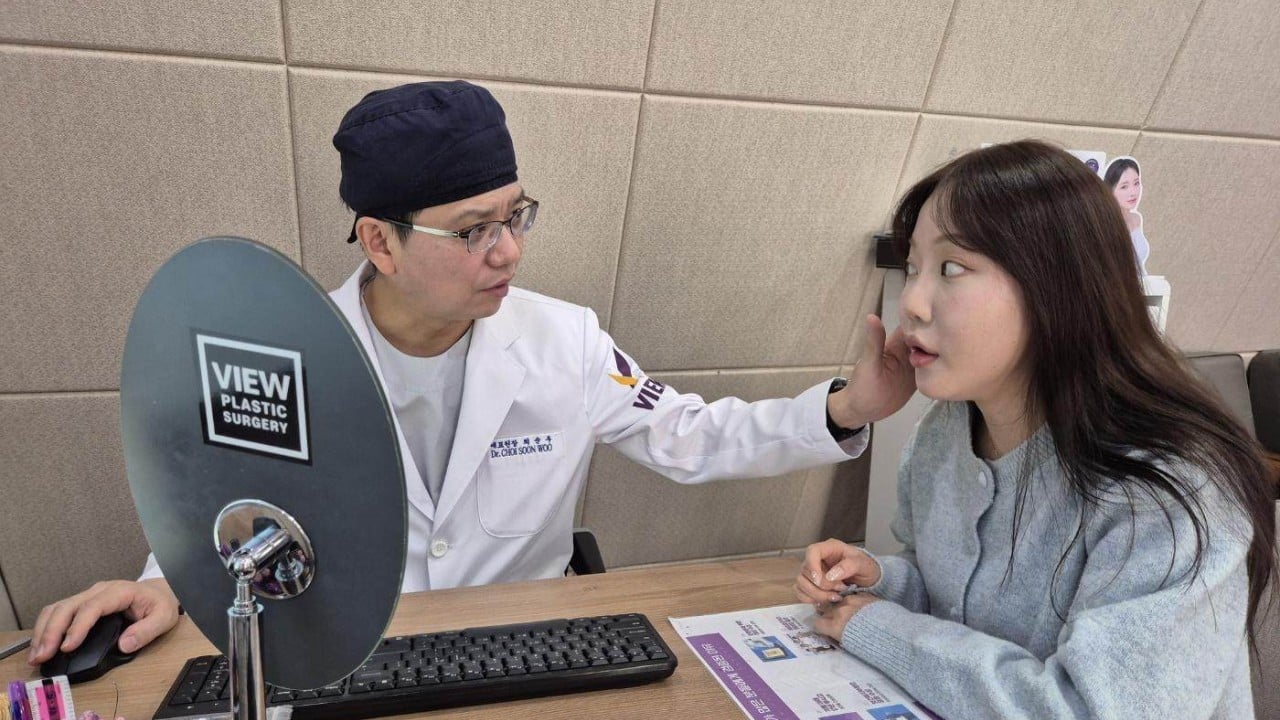
Step inside any high-throughput skin clinic in Gangnam or Hongdae, and you will find multilingual tablets and translators ready to assist Mandarin-speaking clients. Rather than spending thousands of dollars on surgical procedures, these tourists are booking quick, non-invasive treatments.
We are talking about aqua peels, glass-skin injections, laser toning, and targeted Botox. These procedures are incredibly cheap in Seoul compared to China or western nations, and there is virtually no downtime. A tourist can get a facial laser treatment in the morning, grab lunch in Seongsu-dong, and go shopping for clothes in the afternoon. It is fast. It is efficient. It is viewed as an essential part of the modern beauty routine.
This integration of clinical treatments and retail shopping has created a powerful cycle. Tourists visit a clinic, get advice on what their skin needs, and then immediately march to the nearest drugstore to buy products that complement their treatments.
How to Navigate the New Seoul Shopping Scene
If you are planning a trip to capitalize on these exchange rates and beauty trends, you need a strategy. The old tourist traps will cost you time and money.
First, skip the traditional duty-free shops unless you are strictly looking for imported European luxury fashion items. For anything related to skincare, makeup, or local Korean fashion, look where the locals and savvy independent travelers go.
Explore areas like Seongsu-dong and Hannam-dong. These neighborhoods have replaced Myeongdong as the cultural hubs for trendy Koreans and informed tourists alike. Here, you will find flagship stores for cult-favorite fashion labels and boutique cosmetic brands that do not even have shelf space in major department stores.
Second, download the right local apps before you arrive. While global maps struggle in South Korea due to government security restrictions, Naver Maps or KakaoMap will save you hours of wandering. Use translation apps like Papago to read ingredient lists on the back of beauty products, as many smaller indie brands do not have English or Chinese labeling yet.
Bring an extra suitcase. Seriously. The currency savings are real, but they only matter if you actually have the cargo space to bring your haul back home without paying exorbitant airline fees for overweight baggage. Plan ahead, watch the exchange rates, and shop with intent. The era of the mindless mega-tour is over, but the era of the smart, beauty-focused traveler is just getting started.