The warning signs weren't subtle. They were posted all over social media, plastered across trail entrances, and backed by a strict climbing ban active since late 2024. Yet, a group of 20 hikers decided to walk directly past them.
The goal wasn't just to summit Mount Dukono, a highly unstable, 1,355-meter peak on Indonesia’s remote Halmahera island. The goal, as local officials later pointed out, was to capture it for the internet.
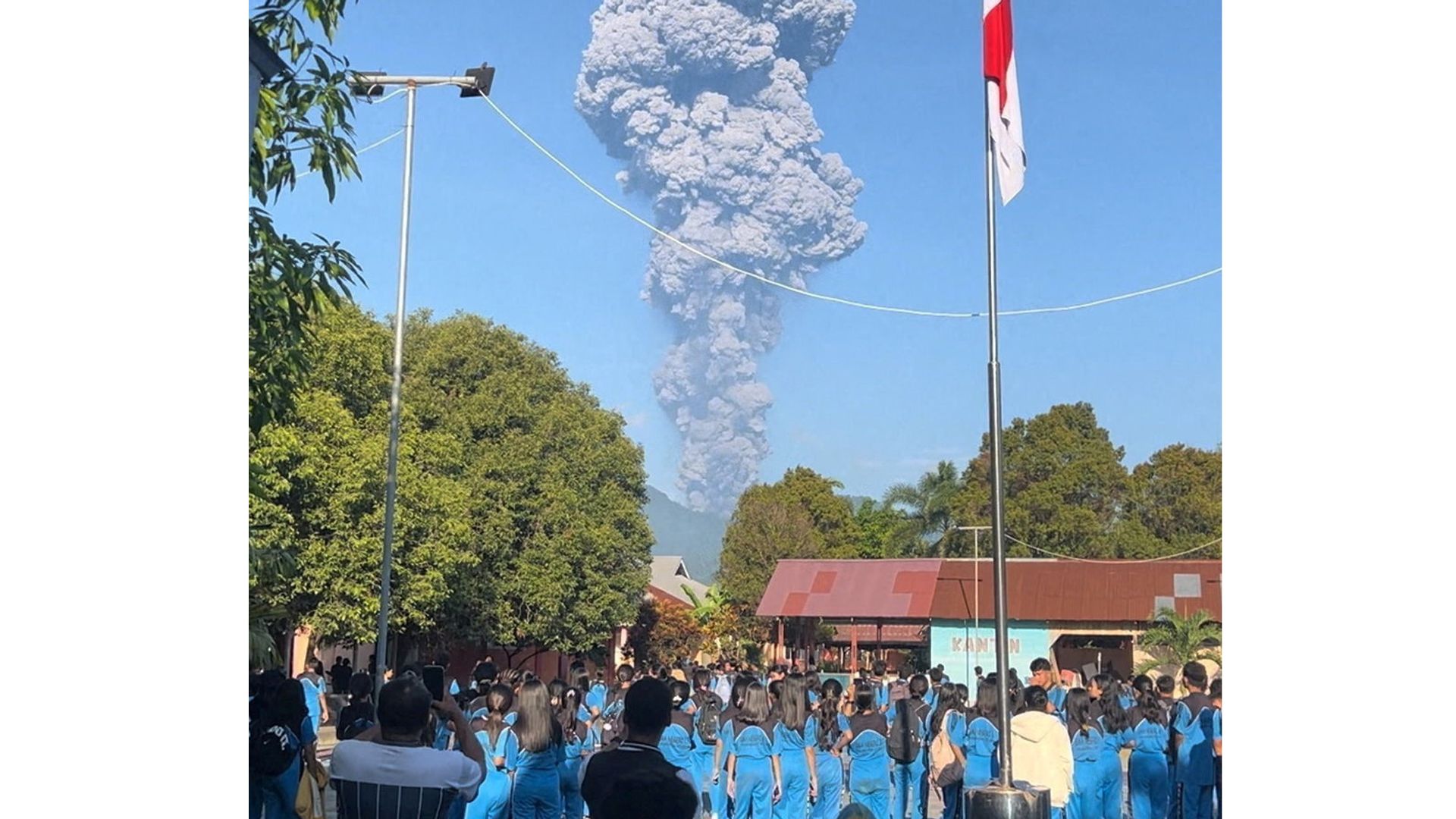
At 7:41 a.m. on Friday, May 8, 2026, the mountain did what active volcanoes do. It erupted violently. The blast sent a suffocating column of ash 10 kilometers into the sky and immediately trapped the climbers inside a restricted 4-kilometer danger zone.
Three hikers—two Singaporean men aged 30 and 27, and an Indonesian woman from Ternate—died at the scene. Five others were injured, and the rescue teams had to risk their own lives navigating continuous tremors and falling debris to pull 17 survivors off the slopes.
It’s a brutal reminder of a growing, modern tragedy. We are losing our collective risk perception to the thirst for digital validation.
The Illusion of Safety on the Grid
When you browse Instagram or TikTok, you don't see the near-misses. You see the dramatic, slow-motion shot of a traveler standing on a jagged crater edge with a caption about "feeling alive."
This curated reality creates a massive psychological blind spot. Dr. Daryano from the Indonesian Association of Disaster Experts highlighted this exact issue following the tragedy. When influencers successfully bypass restrictions and return home with incredible footage, it slowly warps how the rest of us view danger.
- The Survivorship Bias: We only see the creators who made it back down to upload their videos.
- The Invisible Threat: The toxic gases, sudden steam explosions, and flying incandescent rocks don't show up on a weather app. Just because a volcano didn't blow yesterday doesn't mean it won't blow today.
- The Normalization of Deviance: When we see others ignoring safety signs without consequence, those boundaries start looking like mere suggestions rather than life-saving barriers.
Mount Dukono has been on a Level 2 alert status for a reason. Since late March alone, the volcano has recorded an average of 95 explosive eruptions every single day. It isn't a national park with a scenic overlook; it’s an active geological engine. Treating it like a backdrop for lifestyle content is a fundamental misunderstanding of the natural world.
When Local Guides Become Enablers
A particularly frustrating element of this disaster is the breakdown of local gatekeeping.
Among those who survived were local guides and porters who led the group into the prohibited zone. North Halmahera police chief Erlichson Pasaribu confirmed that the guide and a porter were taken in for questioning and could face criminal charges for their role in bypassing the ban.
When you hire a local guide, you expect them to be your safety net. But the pressure to please paying tourists—coupled with the promise of larger tips for delivering "exclusive" access—often pushes locals to compromise their own rules.
If a guide offers to sneak you past a barricade, into a closed national park, or past a volcanic exclusion line, say no. They aren't doing you a favor. They are gambling with your life for a paycheck.
Real Risks You Cannot Outrun
If you're ever tempted to ignore a volcanic warning for a great photo, you need to understand what actually happens when things go wrong. It’s not like the movies where you simply run away from flowing, bright-red lava.
Pyroclastic Density Currents
This is what kills most people near erupting craters. These are superheated clouds of ash, rock fragments, and toxic gas that rush down the slopes at speeds exceeding 80 kilometers per hour. The internal temperatures can easily top 400°C. You cannot run from this, you cannot hide from this, and your lungs will burn instantly if you inhale it.
Sudden Ballistic Ejections
Volcanoes like Dukono don't always give warning shots. A sudden build-up of pressure can instantly launch car-sized boulders thousands of meters into the air. If you are standing inside a 4-kilometer exclusion zone, you are standing directly in the firing line.
Lahars and Mudflows
Heavy rains, which are common in tropical Indonesia, can mix with fresh volcanic ash on the slopes. This creates a concrete-like slurry called a lahar. It travels incredibly fast down riverbeds and can easily sweep away bridges, roads, and hikers miles away from the actual crater.
How to Travel Responsibly Without Becoming a Statistic
Adventure travel is incredible, and exploring volcanic landscapes is one of the most humbling experiences you can have. But there is a massive difference between calculated risk-taking and pure recklessness.
Before you plan your next trek, commit to these non-negotiable rules.
- Check the Local Volcanology Reports: Don't rely on travel blogs or tourism agencies. Go straight to the source. In Indonesia, check the Center for Volcanology and Geological Hazard Mitigation (PVMBG). Every country with active peaks has a dedicated government body monitoring seismic activity.
- Obey the Radii: If an agency declares a 2-kilometer or 4-kilometer exclusion zone, respect it. These zones are calculated using historical blast data and real-time gas measurements.
- Question Your Intentions: Ask yourself honestly if you would still do this hike if you couldn't take your phone or camera with you. If the answer is no, you are hiking for the wrong reasons, and you are far more likely to make poor safety decisions.
- Have an Emergency Plan: Always let someone outside of your hiking party know your exact route and expected return time. Carry a satellite communicator if you are heading into remote areas where cellular signals are nonexistent.
No piece of digital content, no increase in follower count, and no viral video is worth a life. The mountains will always have the final say, and they do not care about your feed.