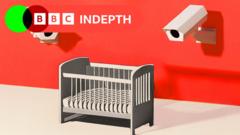
The Surveillance Theatre Myth
Parents think a lens in the corner of the room is a digital guardian angel. It isn’t. It’s a placebo for the anxious and a liability for the vulnerable. The industry obsession with "putting eyes on every corner" isn't about safety. It’s about insurance premiums and marketing.
The common argument suggests that if we record every second of a toddler’s day, abuse becomes impossible. This is a fundamental misunderstanding of how human behavior and technology collide. Cameras don't stop bad actors; they just force them into the shadows—or worse, they create a false sense of security that lets actual supervision rot.
I have spent years auditing security protocols across the care sector. I have seen facilities with thirty-two high-definition feeds where the staff-to-child ratio was abysmal and the training was non-existent. The cameras were there so the manager could sit in an office and feel "in control" while the actual floor was in chaos.
The Blind Spot of Constant Recording
The "Lazy Consensus" is that transparency equals safety. Let’s dismantle that.
- The False Positive Problem: Most CCTV systems in nurseries are low-resolution or poorly positioned. A staff member picking up a crying child can look like a rough interaction on a graining 15-fps feed. This leads to a culture of fear among good practitioners. When teachers feel like they are under a microscope, they stop being affectionate. They stop being human.
- The Grooming Reality: Actual predators aren't deterred by a fixed camera in the play area. They know where the dead zones are. They know that the bathroom, the changing area, and the supply closet are off-limits for video for privacy reasons. By saturating the "public" spaces with cameras, we signal to staff and parents that everything is fine, while the high-risk areas remain as vulnerable as ever.
- The Digital Buffet: Every IP camera is a door. If you can watch your child on your phone, a hacker in another country can likely do the same. We are creating a massive, searchable database of vulnerable children just to satisfy a parent’s midday curiosity.
The Professional Paralysis
When you turn a nursery into a panopticon, you kill the profession. The best early years educators—the ones who lead with empathy and intuition—are leaving the industry in droves because they refuse to work in a digital fishbowl.
What's left? A workforce of "compliance bots."
I have watched educators hesitate to comfort a child because they are worried about how a specific physical contact will look to a remote observer who lacks context. When an adult is more worried about the camera than the child, the child loses. We are trading emotional development for a digital paper trail.
The Cost of the "Check-In" Feature
Many modern nurseries now offer "Live Peek" apps. This is the ultimate distraction. It turns parents into amateur investigators and nursery managers into full-time customer service reps.
Instead of managing staff or engaging with kids, managers spend four hours a day answering emails about why "little Timmy didn't have his coat on at 10:14 AM." It is a massive drain on resources that should be spent on safeguarding training and better pay for staff.
The data is clear: high staff turnover is the leading indicator of safeguarding failures. Yet, we spend thousands on NVR servers and cloud storage instead of paying a living wage that would retain experienced, trustworthy adults.
The Better Way (That Nobody Wants to Pay For)
If you want to stop abuse, you don't buy more hardware. You buy better culture.
- Open Doors, Not Just Lenses: Real transparency is a physical environment where parents can drop in unannounced. It’s a layout with internal windows and high visibility between staff members.
- Whistleblower Incentives: Abuse happens when staff are afraid of each other or their bosses. If the culture is "protect the brand at all costs," a camera won't change a thing. You need a culture where the newest apprentice feels empowered to call out the most senior manager.
- Peer-to-Peer Accountability: Safeguarding is a team sport. In high-performing nurseries, staff work in pairs or groups. Isolation is the predator's best friend. CCTV creates a "virtual" pair that doesn't actually exist in the room to intervene when things go south.
The Hard Truth About Your Peace of Mind
The demand for CCTV is driven by a lack of trust. If you don't trust the people holding your child’s hand, a 1080p stream isn't going to fix your relationship with that provider. You are just watching a disaster in slow motion.
Most "safeguarding" technology is actually just "liability management." The camera isn't there to save your child; it’s there to prove the nursery wasn't at fault, or to provide evidence after the damage is already done.
Stop asking if the nursery has cameras. Ask how many staff members have been there for more than three years. Ask what their policy is on staff working in isolation. Ask how they handle grievances.
A camera is a silent witness to a crime that has already happened. A well-paid, well-trained, and respected educator is a barrier to the crime ever occurring.
Choose the human. Burn the feed.


