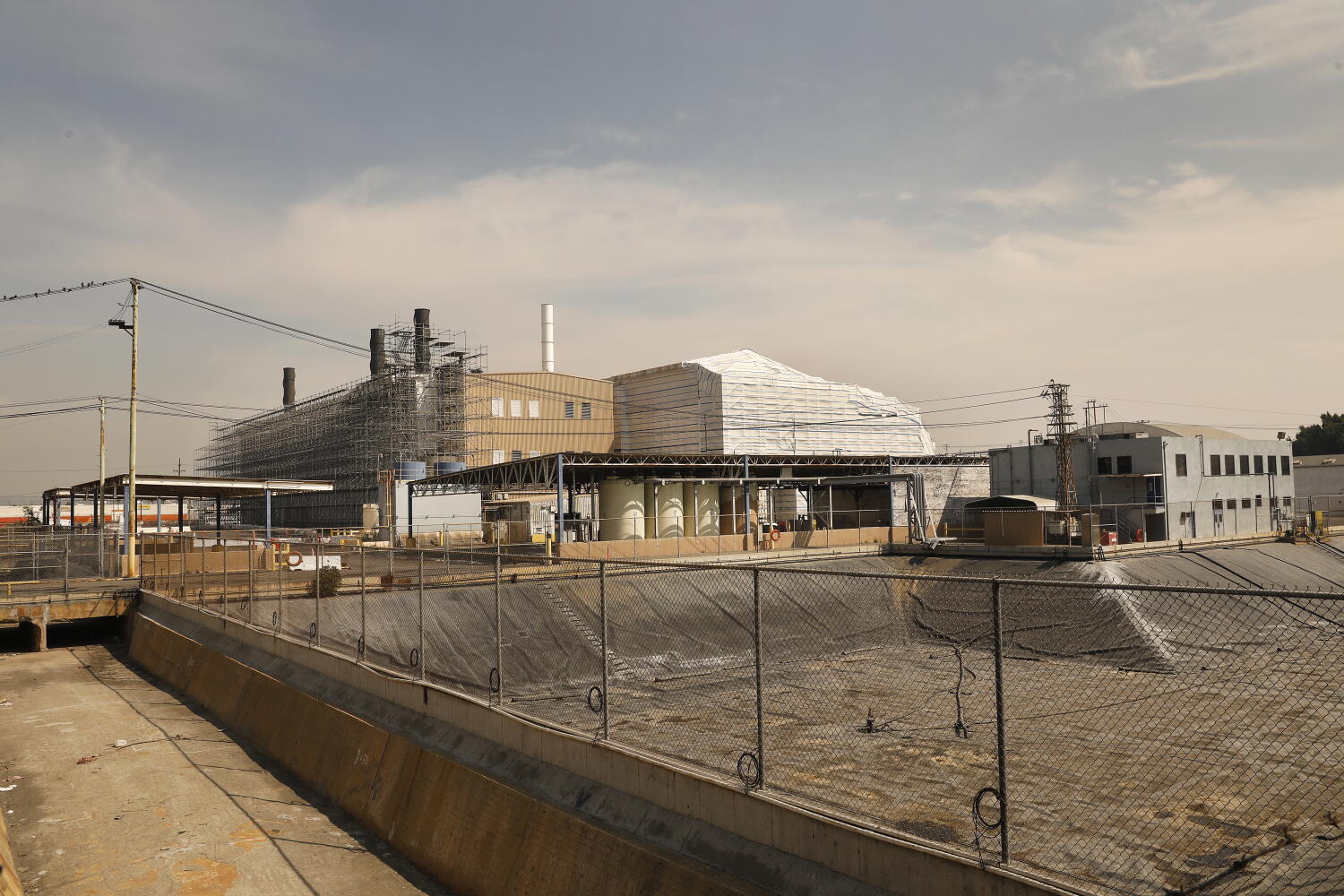
State officials declared roughly 6,500 homes around the shuttered Exide battery recycling plant "clean." That word carries massive weight when you're raising kids in Southeast Los Angeles. It tells parents the dirt in their backyard won't poison their toddlers.
Except independent soil samples tell a much uglier story. Don't forget to check out our recent coverage on this related article.
Testing conducted outside the state's official sign-off process continues to find hazardous levels of lead in yards that the California Department of Toxic Substances Control (DTSC) already checked off its list. If you live in Vernon, Boyle Heights, Commerce, Maywood, Huntington Park, or Bell, you shouldn't take a government completion certificate at face value.
The Gap Between "Cleaned" and Actually Safe
To understand how thousands of properties can be labeled safe while still harboring toxic dust, you have to look at how California defines success. For decades, the Exide Technologies facility in Vernon melted down millions of used car batteries, spewing lead, arsenic, and other heavy metals across a 1.7-mile radius. Regulators knew about violations for years before the plant finally closed in 2015. To read more about the context here, Associated Press offers an informative summary.
When the massive state-funded cleanup began, the DTSC set a residential soil threshold of 80 parts per million (ppm) for lead. That number wasn't chosen because 80 ppm is harmless. According to the Centers for Disease Control and Prevention (CDC) and the California Office of Environmental Health Hazard Assessment (OEHHA), there is no safe blood lead level in children. Instead, 80 ppm was a bureaucratic compromise—a benchmark meant to trigger remediation when soil exceeded it.
Here's the catch. Contractors didn't scrape every inch of dirt down to bedrock. They excavated top layers of soil—often 6 to 18 inches deep—in targeted zones where initial samples spiked above the threshold, then backfilled those spots with clean dirt.
If a contractor missed a hot spot three feet away from a sample grid, that lead stayed right where it was. Worse, lead dust doesn't respect property lines. When heavy machinery dug up one yard, wind carried contaminated particulates onto neighboring properties that had already been cleared. Rainwater runoff washed toxic silt from uncleaned alleys, parkways, and commercial lots straight back onto freshly remediated lawns.
Why Soil Sampling Methods Miss Hidden Hot Spots
If you've ever dealt with environmental remediation, you know that sampling is an art of averages, and averages hide poison. State contractors relied on composite sampling across designated yard zones. They'd take a few scoops of dirt from different spots in a front yard, mix them together in a bag, and test the blend.
Think about what happens when you mix one scoop of dirt at 400 ppm with four scoops at 20 ppm. The lab result comes back at 96 ppm—or if the hot spot was smaller, maybe 75 ppm. At 75 ppm, the state walks away. Your yard passes. Yet a child playing in that one concentrated corner is still digging directly into 400 ppm lead dust.
Independent researchers, community groups, and investigative journalists who went back to test "cleaned" properties used targeted, discrete sampling. They looked where kids actually play—along drip lines under old eaves, near driveways, and in bare dirt patches where grass won't grow. Over and over, those samples registered well above California's 80 ppm action level, with some hitting hundreds of parts per million.
It's a classic regulatory blind spot. The state measured compliance by counting how many parcels it could cross off a spreadsheet. Residents measure safety by whether their kids can sit on the grass without ingesting a neurotoxin.
The Structural Flaws in California's Exide Remediation
You can't fix a neighborhood-wide industrial disaster one fragmented backyard at a time. That's the core failure of the Exide cleanup, which has already burned through more than $750 million in taxpayer funds while leaving thousands of properties untouched or inadequately cleared.
Several compounding mistakes turned a historic environmental effort into an ongoing public health mess:
- Skipping exterior paint and house dust. Lead from Exide didn't just land in the grass; it settled on roofs, window sills, and inside attics. When state contractors only dug up yard soil without power-washing exteriors or HEPA-vacuuming interiors, wind and rain simply washed the trapped roof dust back down into the new dirt.
- Leaving parkways and alleys for later. In dense Southeast LA neighborhoods, the strip of dirt between the sidewalk and the street is where people walk every day. Jurisdictional squabbles over who owned or managed those strips meant contaminated soil sat right next to newly cleaned front yards, ready to blow back across the fence.
- Relying on Exide's bankruptcy. When Exide filed for Chapter 11 bankruptcy in 2020, a federal judge allowed the company to abandon the Vernon site, sticking California taxpayers with the cleanup bill while shielding the corporation from paying the full cost of its pollution. That financial squeeze put relentless pressure on the DTSC to cut corners and declare victory early.
- Poor contractor oversight. Audits and local watchdogs repeatedly flagged inconsistent excavation depths, inadequate dust suppression during digging, and sloppy post-cleanup verification testing.
Honestly, calling 6,500 homes "clean" under these conditions isn't just premature—it's misleading. A property isn't clean if the dirt two feet past the fence line is still toxic and the dust in your attic hasn't been touched.
What Lead Exposure Actually Does to Families Nearby
People sometimes treat lead contamination like an abstract policy debate. It isn't. Lead is a permanent neurotoxin that mimics calcium in the human body, slipping past the blood-brain barrier and settling into bones and teeth for decades.
In young children, even tiny amounts of ingested or inhaled lead dust impair brain development. It lowers IQ, shortens attention spans, triggers behavioral issues, and causes learning disabilities that don't show up until years later in school. You won't see a rash. There's no immediate fever. By the time symptoms appear, the neurological damage is irreversible.
Adults aren't immune either. Chronic low-level lead exposure drives up blood pressure, damages kidneys, and increases the risk of cardiovascular disease. For pregnant women, lead stored in bones from childhood exposure can leach back into the bloodstream, affecting fetal development.
When state officials celebrate hitting a milestone of 6,500 completed properties, families hear that the danger has passed. They stop wiping down shoes at the door. They let toddlers dig in the yard again. If that yard still holds pockets of 200 ppm lead, that false sense of security becomes actively dangerous.
How Southeast LA Residents Can Protect Their Households Right Now
Waiting for the DTSC to admit its verification testing fell short won't keep dust out of your living room today. If you live within the 1.7-mile Exide assessment area—even if your home received a completion letter—you need to verify your own dirt and control how dust enters your house.
- Request your exact parcel data from the DTSC. Don't settle for a general summary letter. Contact the DTSC Exide project office or use their online parcel lookup portal to demand the raw laboratory spreadsheets for your property, including the exact depths dug and the individual sample readings before and after backfill.
- Get independent soil testing. If your yard has bare dirt patches, roof drip lines, or areas near driveways that weren't excavated, collect discrete soil samples from the top inch of dirt. You can send samples to a certified environmental testing lab (look for accreditation through California's Environmental Laboratory Accreditation Program, or ELAP) for roughly $30 to $60 per sample.
- Cover every patch of bare soil. Never leave dirt exposed where kids or pets walk. Cover bare spots with thick mulch, gravel, or healthy sod to lock dust down and keep wind from kicking it into the air.
- Enforce a strict shoes-off rule. Most household lead doesn't come from kids eating dirt; it comes from contaminated soil tracked indoors on shoe soles, turning into fine dust on floors where toddlers crawl. Leave outdoor shoes outside or on a washable mat at the door.
- Wet-wipe instead of dry-sweeping. Dry sweeping and standard vacuums blow microscopic lead particles back into the air you breathe. Mop hard floors weekly with damp cloths and use a vacuum equipped with a true HEPA filter.
- Request free blood lead testing. California law requires healthcare providers to screen children on Medi-Cal or other public assistance programs at ages 1 and 2, and any parent in a high-risk zip code can ask their pediatrician for a simple blood lead test. If you don't have insurance, the Los Angeles County Department of Public Health offers free testing and home inspections for elevated levels.
The state's cleanup numbers look great in a press release, but dirt doesn't care about press releases. Treat any "clean" label around the former Exide plant with heavy skepticism, test your own soil, and keep the dust outside where it belongs.